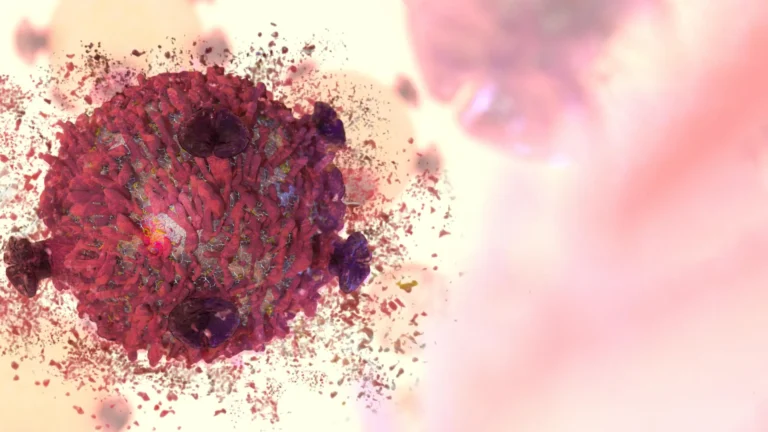
The escalating challenge of antimicrobial resistance (AMR) stands as one of the most pressing global public health crises of the twenty-first century. Pathogenic microorganisms, particularly bacteria, are increasingly developing sophisticated mechanisms to evade the potent effects of antibiotics, rendering previously effective treatments obsolete. This alarming phenomenon has led to the proliferation of what are colloquially known as "superbugs," strains that defy multiple classes of antimicrobial agents. Expert projections paint a stark picture, suggesting that by the year 2050, drug-resistant infections could claim over ten million lives annually across the globe, surpassing the mortality rates of cancer and profoundly impacting global economies. The World Health Organization has consistently highlighted the urgent need for innovative solutions beyond the traditional pharmaceutical pipeline, emphasizing that the world is rapidly entering a post-antibiotic era where common infections could once again become fatal.
These resilient bacterial populations are not confined to specific environments; they thrive and propagate in a diverse array of settings. Hospitals and other healthcare facilities, often hubs of intensive antibiotic use, serve as fertile ground for the emergence and spread of resistant strains. Beyond clinical walls, agricultural operations, including large-scale livestock and aquaculture farms, contribute significantly to the problem through the widespread prophylactic and therapeutic administration of antibiotics. Furthermore, municipal wastewater treatment plants, designed to purify water, inadvertently act as crucibles where bacteria exchange genetic material, fostering the evolution of resistance before releasing treated water, often still containing resistant microbes, back into the environment. The pervasive nature of this threat demands multifaceted interventions, prompting scientific communities worldwide to explore groundbreaking approaches.
In response to this existential threat, researchers are leveraging the revolutionary capabilities of advanced genetic engineering. A pioneering team at the University of California San Diego (UC San Diego), led by Professors Ethan Bier and Justin Meyer from the School of Biological Sciences, has developed a fundamentally new strategy. Instead of solely focusing on discovering novel antibiotic compounds—an arduous and often short-lived endeavor given bacterial adaptability—their work centers on actively dismantling the genetic machinery that confers resistance within bacterial communities. This paradigm shift represents a proactive genetic engineering approach, aiming to re-sensitize resistant bacteria to existing antibiotics, thereby restoring the efficacy of our current pharmacopoeia.
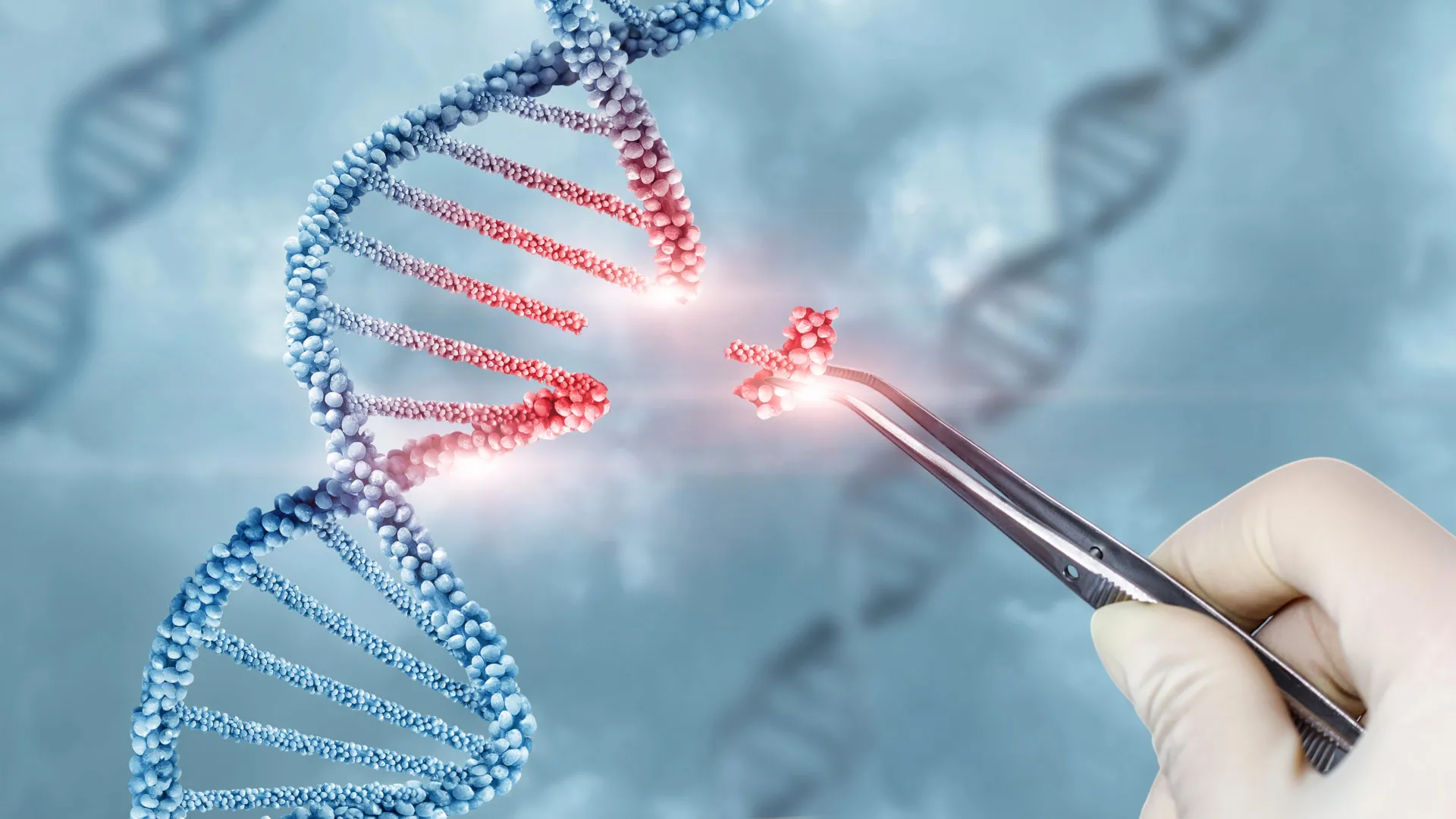
The conceptual groundwork for this innovative system was laid in 2019, when Professor Bier’s laboratory collaborated with Professor Victor Nizet’s team from the UC San Diego School of Medicine. Their initial efforts produced the first iteration of a "Pro-Active Genetics" (Pro-AG) system. This early design involved introducing a specialized genetic construct, often referred to as a "cassette," into bacterial cells. This cassette possessed the remarkable ability to self-replicate and propagate within bacterial populations. Crucially, it was engineered to specifically target and inactivate genes responsible for antibiotic resistance. The precision of CRISPR (Clustered Regularly Interspaced Short Palindromic Repeats) technology forms the backbone of this targeting mechanism. CRISPR, originally identified as a bacterial immune system, allows for highly specific modification of DNA sequences. In this application, the CRISPR components within the cassette are programmed to recognize and disrupt the particular DNA sequences that encode resistance traits, thereby disarming the bacteria.
A key feature of many antibiotic resistance genes is their location on plasmids. Plasmids are small, extrachromosomal, circular DNA molecules that exist independently within bacterial cells and can replicate autonomously. They are notorious for their role in the horizontal transfer of genetic material between bacteria, enabling the rapid dissemination of resistance traits across different species and strains. The Pro-AG system was specifically engineered to exploit this vulnerability. By integrating itself into these resistance-carrying plasmids, the genetic cassette effectively neutralizes the resistance genes. This targeted disruption prevents the expression of proteins that would otherwise confer immunity to antibiotics, consequently rendering the bacteria susceptible to treatment once more.
Building upon the foundational Pro-AG system, the UC San Diego team advanced their technology to develop a second-generation platform, designated pPro-MobV. This updated system significantly enhances the dissemination capabilities of the resistance-disabling elements. Professor Bier articulated the underlying philosophy, stating, "With pPro-MobV, we have translated the principles of gene-drive thinking, previously applied in insect populations, into a powerful tool for bacterial population engineering. This novel CRISPR-based technology enables us to introduce a small number of engineered cells into a larger microbial community and observe them actively neutralizing antibiotic resistance across the target population."
The pPro-MobV system achieves its widespread distribution through a natural process known as conjugal transfer, often likened to bacterial "mating." During conjugation, bacteria establish a direct physical connection, forming a temporary bridge or pilus, through which genetic material, including plasmids, can be exchanged. The researchers meticulously engineered pPro-MobV to leverage this inherent mechanism. Their findings, published in the Nature journal npj Antimicrobials and Resistance, detailed how the system effectively uses these natural communication channels between bacteria to transmit the CRISPR components and resistance-disabling elements throughout a population. This active and self-propagating spread mechanism is critical for addressing resistance on a population-wide scale.
A particularly significant advancement demonstrated by the research team is the system’s efficacy within biofilms. Biofilms are dense, complex communities of microorganisms encased in a self-produced extracellular polymeric substance (EPS) matrix, which allows them to adhere to various surfaces. These microbial fortresses are notoriously difficult to eradicate using conventional cleaning agents and antibiotic treatments. In clinical settings, biofilms are implicated in the majority of chronic and recurrent infections, clinging to medical devices such as catheters and implants, as well as forming on tissues in conditions like cystic fibrosis or chronic wounds. The protective barrier of the EPS matrix impedes antibiotic penetration, while the altered physiological state of bacteria within biofilms can further enhance their resilience.
Professor Bier underscored the importance of this capability, remarking, "The ability of our system to function within the biofilm context is paramount, as biofilms represent one of the most formidable forms of bacterial growth to overcome, whether in a clinical environment or in enclosed ecological systems like aquaculture ponds and wastewater treatment facilities." He further elaborated on the broader implications, stating, "If we can effectively reduce the transmission of resistance genes from animal populations to humans, we stand to make a substantial impact on the overall antibiotic resistance challenge, given that approximately half of the problem is estimated to originate from environmental sources." The capacity of pPro-MobV to penetrate and dismantle resistance within these robust microbial communities opens up transformative possibilities for infection control, environmental remediation, and the engineering of beneficial microbiomes.
Beyond conjugal transfer, the researchers also uncovered another potent delivery mechanism for their active genetic system: bacteriophages, or phages. Phages are viruses that specifically infect bacteria, acting as their natural predators. Long before the advent of antibiotics, phages were explored for their therapeutic potential, and recent resurgence in phage therapy research highlights their utility in combating drug-resistant infections. These bacterial viruses possess an inherent ability to breach bacterial defenses and inject their genetic payload. The UC San Diego team envisions a synergistic application where pPro-MobV elements could be packaged within engineered phages. This combined approach would harness the phages’ capacity for targeted delivery and infection, amplifying the reach and efficacy of the resistance-reversing genetic system, particularly in complex microbial ecosystems where direct cellular contact for conjugation might be limited.
Recognizing the critical need for responsible development of gene-drive-like technologies, the platform incorporates an essential safety mechanism: homology-based deletion. This integrated safeguard provides a controlled method for scientists to actively remove or neutralize the inserted genetic cassette if circumstances require it. Such a "kill switch" is vital for mitigating potential unintended ecological consequences and ensuring that the technology can be deployed with a high degree of precision and reversibility. The inclusion of this control mechanism reflects a commitment to ethical and contained genetic engineering, allowing for careful testing and deployment.
Professor Meyer, whose research focuses on the evolutionary adaptations of bacteria and viruses, articulated the unique standing of this innovation. "This technology represents one of the very few approaches I am aware of that possesses the capacity to actively reverse the proliferation of antibiotic-resistant genes, rather than merely slowing their spread or helping us cope with their existence," he explained. This distinction is crucial; while much effort is directed at slowing the rate of resistance acquisition or developing new antibiotics, the ability to genetically disarm existing resistant populations marks a profound shift in strategy. By re-engineering microbial populations to be sensitive to existing drugs, this proactive genetic approach offers a beacon of hope in the ongoing battle against the ever-evolving threat of antimicrobial resistance, promising a future where our current arsenal of antibiotics might regain its life-saving power.
About the Author