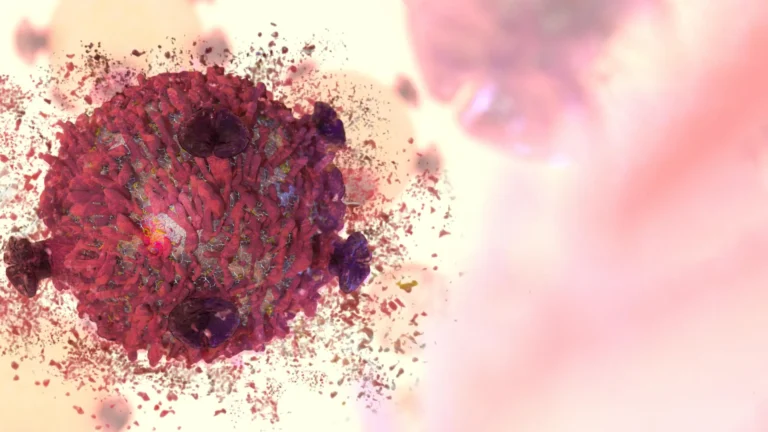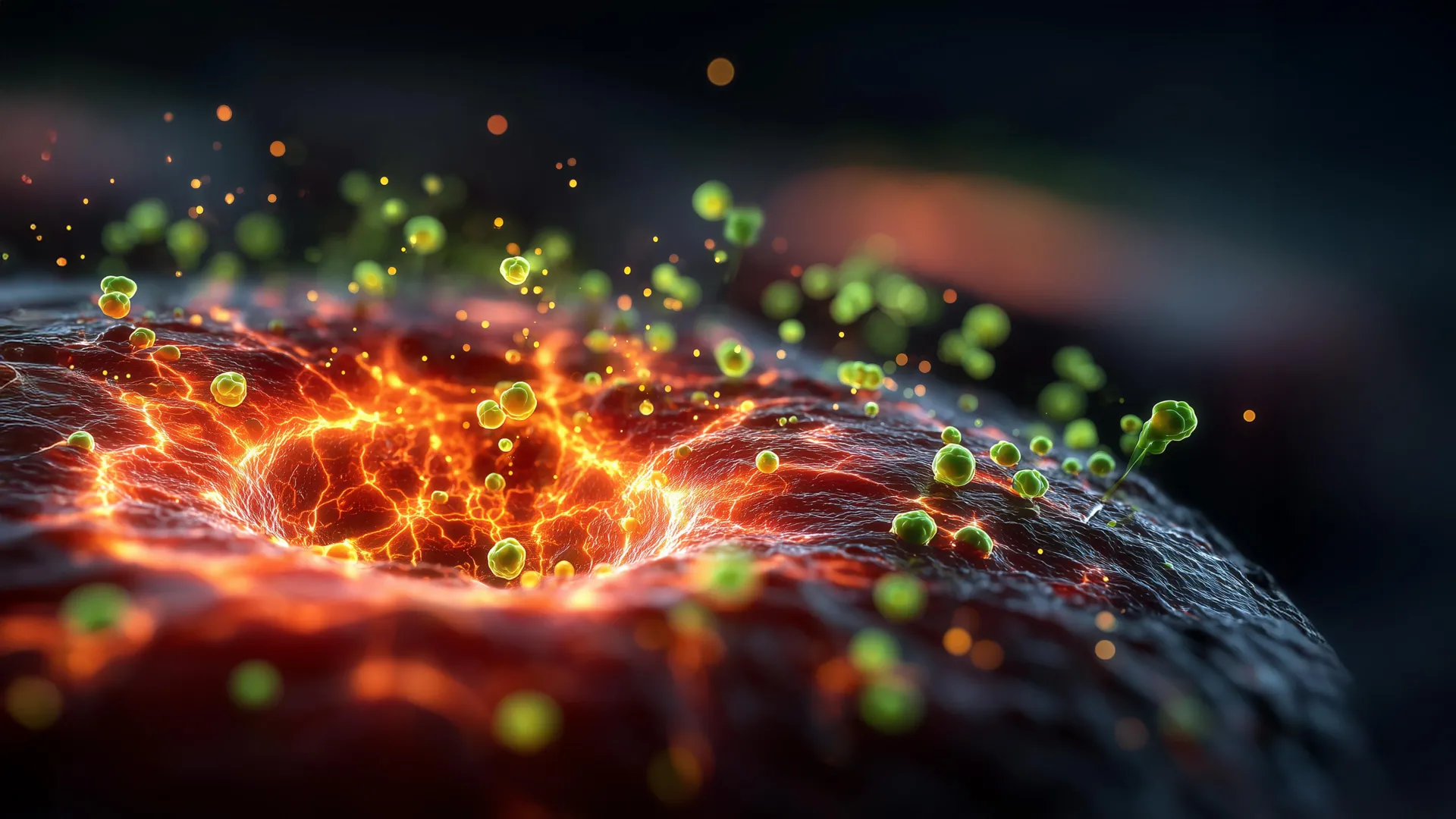
In the relentless pursuit of more effective cancer treatments, researchers at the University of Waterloo have unveiled a sophisticated biotechnological strategy employing genetically modified bacteria to selectively dismantle solid tumors from within. This innovative approach leverages the unique physiological characteristics of certain microbes, adapting them into precision therapeutic agents capable of navigating and neutralizing the hostile microenvironments of cancerous growths. It represents a significant advancement in the burgeoning field of bacterial immunotherapy, addressing some of the long-standing challenges associated with conventional oncological interventions.
Solid tumors, unlike more diffuse cancers, present a complex and often impenetrable challenge to traditional therapies such as chemotherapy and radiation. Their internal structure is frequently characterized by regions of severe hypoxia or complete anoxia – a total lack of oxygen – often accompanied by areas of necrotic, or dead, cells. These anoxic zones arise due to rapid, unregulated cell growth that outpaces the development of a supporting blood supply, creating a unique biological niche. This very niche, however, proves to be an Achilles’ heel for the tumor, as it is precisely the environment where a specific type of bacterium, Clostridium sporogenes, naturally thrives.
At the heart of this therapeutic design is Clostridium sporogenes, an obligate anaerobe commonly found in soil ecosystems. Its fundamental biological requirement for survival is an environment completely devoid of molecular oxygen. When spores of this bacterium are introduced into the body, they are designed to home in on the anoxic, nutrient-rich core of solid tumors. Upon encountering these conditions, the spores germinate, and the bacteria begin to proliferate rapidly, metabolizing the available cellular debris and nutrients. As explained by Dr. Marc Aucoin, a professor of chemical engineering at Waterloo, this process essentially turns the bacteria into microscopic agents that colonize and consume the tumor’s internal mass, initiating its degradation. The concept is akin to introducing a highly specialized internal demolition crew that targets the very heart of the cancerous structure.
While the natural affinity of Clostridium sporogenes for anoxic tumor regions is a powerful starting point, the inherent biological limitations of these bacteria pose a significant hurdle. As the bacterial population expands outwards from the tumor’s necrotic core, it inevitably encounters areas where oxygen levels are not entirely absent, but rather exist in low concentrations – a condition known as hypoxia. In these peripheral regions, the strictly anaerobic Clostridium sporogenes would typically cease to function and die off, leaving portions of the tumor unaddressed and susceptible to regrowth. This "oxygen barrier" represents a critical challenge for achieving complete tumor eradication.
To circumvent this physiological constraint, the Waterloo team employed cutting-edge synthetic biology techniques. Their solution involved genetically engineering Clostridium sporogenes to withstand these low-oxygen conditions. They achieved this by introducing a specific gene from a related bacterial species known for its greater tolerance to oxygen. This genetic modification effectively equips the therapeutic bacteria with an enhanced survival mechanism, allowing them to penetrate further into the tumor’s hypoxic periphery and continue their therapeutic action, theoretically leading to a more comprehensive elimination of the cancerous mass.
However, simply conferring oxygen tolerance was not sufficient; precise control over this newly acquired trait was paramount for safety and efficacy. Uncontrolled activation of oxygen tolerance could allow the bacteria to proliferate in oxygen-rich environments outside the tumor, such as the bloodstream or healthy tissues, leading to systemic infections or adverse side effects. To prevent such undesirable outcomes, the researchers ingeniously integrated a sophisticated regulatory mechanism known as quorum sensing.
Quorum sensing is an intrinsic bacterial communication system that allows microbial populations to sense their own density. Bacteria release specific chemical signaling molecules, often referred to as autoinducers, into their environment. As the bacterial population grows, the concentration of these signaling molecules increases. Once these autoinducers reach a critical threshold concentration, they trigger a coordinated change in gene expression across the entire bacterial community. In the context of this cancer therapy, the researchers designed the quorum-sensing circuit to specifically activate the oxygen-tolerance gene only when a sufficiently high density of bacteria had accumulated within the confines of the tumor. This ensures that the bacteria engage their enhanced survival mechanism precisely when and where it is therapeutically advantageous, minimizing risks to healthy host tissues.
The development of such a finely tuned biological system exemplifies the power of synthetic biology, a field dedicated to designing and constructing new biological parts, devices, and systems, or re-designing existing natural biological systems for useful purposes. Dr. Brian Ingalls, a professor of applied mathematics at Waterloo and a key contributor to this project, likens the process to building an electrical circuit. "Instead of wires, we used pieces of DNA," he explained, emphasizing that each precisely engineered DNA segment performs a specific function. When these segments are assembled correctly, they form a predictable and robust biological system. This modular approach allows for the systematic construction and optimization of complex cellular behaviors.
The research progressed through distinct phases. An earlier study by the team successfully demonstrated that Clostridium sporogenes could indeed be genetically modified to exhibit improved resilience to oxygen exposure. Building upon this foundational work, a subsequent experiment focused on validating the quorum-sensing control system. For this validation, the scientists programmed the engineered bacteria to produce a green fluorescent protein (GFP) under the control of the quorum-sensing mechanism. The observable fluorescence served as a visual indicator, allowing the researchers to confirm that the system was activating at the precise moment intended, only when bacterial density reached the predefined threshold. This meticulous validation step is crucial for ensuring the reliability and safety of such advanced biotechnological interventions.
The immediate next phase for the Waterloo team involves integrating both the enhanced oxygen survival mechanism and the sophisticated quorum-sensing regulatory system into a singular bacterial strain. This unified bioengineered microbe will then undergo rigorous evaluation in preclinical trials, where its efficacy and safety will be assessed against tumor models in laboratory settings. These crucial steps are designed to gather comprehensive data necessary for eventual translation into human clinical trials.
This groundbreaking research originated from the dedicated efforts of PhD student Bahram Zargar, under the joint supervision of Dr. Ingalls and Dr. Pu Chen, a retired professor of chemical engineering at Waterloo. The project stands as a testament to the University of Waterloo’s strategic commitment to fostering interdisciplinary advancements in healthcare. It exemplifies a synergistic approach, unifying expertise from diverse fields, including chemical engineering, applied mathematics, and life sciences. This collaborative ethos is essential for translating complex scientific discoveries into tangible, real-world medical solutions that can address pressing global health challenges.
The collaborative network extends beyond the university walls. The Waterloo team is actively partnering with the Center for Research on Environmental Microbiology (CREM Co Labs), a Toronto-based company co-founded by Dr. Zargar himself. This partnership further strengthens the translational potential of the research, bridging academic innovation with industry expertise. Integral to this collaborative endeavor is Dr. Sara Sadr, an alumna of Waterloo’s doctoral program, who played an instrumental role in propelling the research forward through her significant contributions.
Looking ahead, this pioneering work opens new avenues for treating solid tumors, particularly those with extensive necrotic cores that are challenging to access with conventional drugs. The potential advantages of bacterial-based therapies include their ability to penetrate deep into tumor tissue, target specific microenvironments, and potentially bypass mechanisms of drug resistance. While significant hurdles remain – including optimizing bacterial delivery, managing potential immune responses, and ensuring long-term safety – the successful engineering of Clostridium sporogenes with a controlled oxygen-tolerance mechanism marks a substantial leap forward. It underscores the transformative potential of synthetic biology in oncology, offering a glimmer of hope for novel, highly targeted therapeutic options that could revolutionize the landscape of cancer treatment. As research progresses, the prospect of an internal, living medicine actively consuming malignant growths moves closer to clinical reality, heralding a new era in the fight against cancer.
About the Author