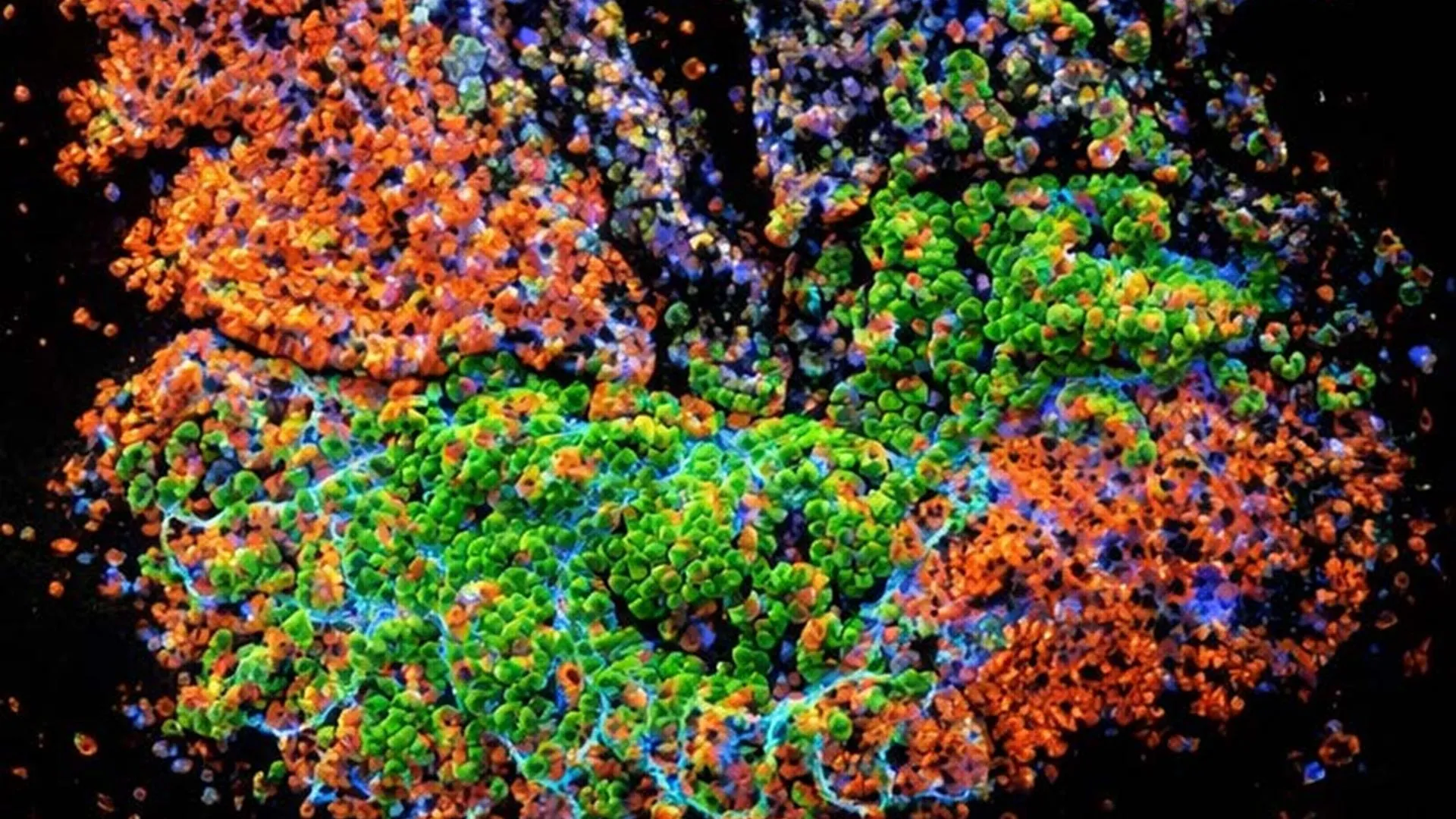
A groundbreaking investigation conducted by researchers at Weill Cornell Medicine has meticulously mapped a previously obscure immune system cascade, offering a profound new understanding of why individuals afflicted with inflammatory bowel disease (IBD) face a significantly elevated propensity for developing colorectal cancer. These pivotal preclinical observations illustrate how specific inflammatory cues originating within the gastrointestinal tract can instigate a rapid mobilization of white blood cells from the bone marrow, thereby fostering an environment conducive to tumor growth. Furthermore, this comprehensive study illuminates novel strategies for the early detection, ongoing surveillance, and potential mitigation of cancer risk within the IBD patient population.
The core of this extensive research concentrated on TL1A, an inflammatory signaling protein whose association with both IBD and colorectal cancer was already recognized, though its precise mechanistic contribution to disease progression remained largely elusive. While pharmacological agents engineered to inhibit TL1A have demonstrated promising outcomes in clinical trials targeting IBD, the scientific community had lacked a complete comprehension of how this protein orchestrates the progression of inflammation and cancerous transformation. Publishing their findings in the esteemed journal Immunity, the research collective delineated how TL1A predominantly exerts its considerable influence through a specialized group of immune cells residing in the gut, known as Type 3 Innate Lymphoid Cells (ILC3s). Upon activation by TL1A, these ILC3s initiate a chain of events that culminates in the recruitment of substantial quantities of neutrophils, a particular type of white blood cell, from the bone marrow, concurrently modifying their functional characteristics in ways that actively promote tumor genesis.
Dr. Randy Longman, the senior author of the study and director of the Jill Roberts Center for Inflammatory Bowel Disease at Weill Cornell Medicine and NewYork-Presbyterian/Weill Cornell Medical Center, emphasized the paramount importance of these discoveries. He noted the intense interest within the medical community to decipher TL1A’s multifaceted role in IBD and its prospective involvement in associated colorectal cancers, an area where effective risk-reduction strategies have historically been scarce. This research, therefore, fills a critical knowledge gap, providing actionable insights into a complex disease mechanism.
Inflammatory Bowel Disease encompasses two primary conditions: Crohn’s disease and ulcerative colitis, both characterized by persistent, debilitating inflammation throughout the digestive tract. The U.S. Centers for Disease Control and Prevention estimate that between 2.4 and 3.1 million Americans contend with these chronic conditions. Beyond the immediate and often severe gastrointestinal symptoms, IBD significantly increases susceptibility to a range of other autoimmune and inflammatory disorders, and critically, it markedly elevates the lifetime risk of developing colorectal cancer. Notably, when colorectal cancer manifests in individuals with IBD, it frequently occurs at a younger age compared to the general population and is often linked with more aggressive disease courses and poorer prognoses, underscoring the urgent need for targeted preventive and therapeutic interventions.
The investigative team identified that TL1A, predominantly synthesized by existing immune cells within the chronically inflamed gut mucosa, propels tumor growth largely through its modulatory effects on ILC3s. These innate lymphoid cells, strategically positioned within the intestinal lining, act as crucial intermediaries in the immune response. Once stimulated by TL1A, activated ILC3s initiate the secretion of granulocyte-macrophage colony-stimulating factor (GM-CSF), a potent cytokine known for its capacity to stimulate the proliferation and differentiation of blood cells. This signaling molecule effectively transmits a systemic alert, initiating a biological process termed "emergency granulopoiesis." This phenomenon describes a rapid and pronounced acceleration in the production of neutrophils within the bone marrow, followed by their swift migration from the bone marrow cavities into the inflamed gut environment. Through meticulous experimentation in murine models of intestinal cancer, the researchers compellingly demonstrated that the mere presence of these newly recruited neutrophils was sufficient to dramatically accelerate the progression and development of tumors. This finding highlights neutrophils not just as passive responders to inflammation, but as active contributors to oncogenesis in this context.
Further expanding on the pro-tumorigenic alterations, the study elucidated the profound changes occurring within these mobilized neutrophils. Neutrophils are conventionally understood to contribute to colorectal tumor expansion through the release of reactive oxygen species and other cytotoxic molecules, which can induce DNA damage within the epithelial cells lining the gut. However, this study uncovered an additional layer of complexity: ILC3 cells were found to orchestrate a distinctive pattern of gene expression within the recruited neutrophils. This unique transcriptional signature included a heightened activity of genes intimately associated with the initiation and progression of cancer. Importantly, these identical gene expression modifications were also detected in human colon tissue biopsies obtained from patients suffering from IBD-related colitis, providing robust translational validation for the preclinical observations. Crucially, this characteristic tumor-promoting molecular signature was observed to be significantly attenuated in patients who had been administered an experimental therapeutic agent designed specifically to block TL1A, offering direct evidence of TL1A’s role in shaping this detrimental neutrophil phenotype and suggesting a potential therapeutic avenue.
These profound findings collectively point towards several components within this intricate immune pathway as promising future targets for therapeutic intervention. Beyond TL1A itself, the ILC3 cells, the cytokine GM-CSF, and the neutrophils specifically recruited through this mechanism all represent potential points of intervention. Strategies aimed at modulating or inhibiting any of these elements could offer a multifaceted approach not only to managing the chronic inflammation characteristic of IBD but also to concurrently reducing the formidable risk of colorectal cancer faced by these patients. The prospect of developing therapies that simultaneously address both aspects of the disease represents a significant leap forward in patient care.
Dr. Sílvia Pires, the study’s first author and an instructor in medicine and member of the Longman Laboratory, expressed enthusiasm for the clinical implications of their work. She believes that clinicians specializing in IBD will find it particularly exciting to learn about the systemic nature of this process, involving an intricate interplay between both the gut and the bone marrow. This holistic understanding holds immense potential to drive the development of precision medicine approaches in IBD, allowing for more tailored and effective treatments based on an individual patient’s specific inflammatory and genetic profile.
The research team is actively continuing its investigations into the precise mechanisms governing this complex immune communication network during states of persistent gut inflammation. Future research endeavors will focus on exploring whether early or intermittent exposure to GM-CSF might "prime" bone marrow cells in a manner that increases an individual’s long-term susceptibility to IBD development and, subsequently, to cancer. Unraveling these antecedent conditions could potentially open doors to entirely new paradigms for earlier intervention and preventive strategies, fundamentally altering the trajectory of IBD and its associated cancer risk. This ongoing work underscores the dynamic and evolving understanding of how chronic inflammation can hijack normal physiological processes to foster oncogenesis, ultimately aiming to translate these intricate scientific discoveries into tangible benefits for patients worldwide.
About the Author