The internal conflict gripping Sudan has now persisted for over one thousand days, plunging the nation into an unparalleled state of humanitarian emergency and systematically dismantling its critical infrastructure, most notably its public health system. Since hostilities erupted in April 2023 between the Sudanese Armed Forces (SAF) and the Rapid Support Forces (RSF), the relentless fighting has profoundly destabilized the country, creating what is widely recognized as the most severe humanitarian crisis on the global stage, impacting millions and threatening regional stability. This protracted period of violence has not only uprooted communities but has also fundamentally eroded the state’s capacity to provide essential services, leaving a vast population in desperate need.
The cumulative impact of sustained violence, severe operational restrictions, and a stark deficit in international funding has fostered a dire humanitarian landscape. Projections indicate that an estimated 33.7 million individuals will require some form of humanitarian assistance throughout the current year, representing an overwhelming proportion of the Sudanese populace. Within this staggering figure, over 20 million people are in urgent need of health-related support, ranging from basic medical care to complex emergency interventions for trauma and disease management. Simultaneously, an equally alarming 21 million citizens confront extreme food insecurity, with large swathes of the population facing acute hunger and the grim specter of famine, a direct consequence of disrupted agricultural cycles, market failures, and restricted aid access. This dual crisis of health and hunger underscores the profound depth of suffering endured by the Sudanese people.
The very foundation of Sudan’s healthcare infrastructure has been profoundly weakened, if not entirely shattered, by the relentless hostilities. Comprehensive assessments reveal that more than one-third, specifically 37%, of all health facilities across the nation are no longer operational. This widespread incapacitation deprives countless individuals of essential, often life-saving, medical services. The cessation of operations stems from a confluence of destructive factors, including direct combat damage, widespread looting of equipment and supplies, the exodus of medical professionals fleeing violence, chronic shortages of vital medications and equipment, and a pervasive lack of sustainable financial resources. The loss of these facilities creates vast health service deserts, particularly in remote and conflict-affected regions.
A particularly egregious aspect of this conflict has been the deliberate targeting of healthcare facilities and personnel, a clear violation of international humanitarian law. Since the onset of hostilities, the World Health Organization (WHO) has meticulously documented 201 distinct attacks against medical infrastructure and staff. These reprehensible acts have resulted in the tragic deaths of 1,858 individuals and inflicted injuries upon 490 others. Such assaults not only undermine the fundamental right to healthcare but also place medical workers, patients, and their caregivers at immense and unacceptable risk. The weaponization of access to care and the destruction of medical sites have a chilling effect, deterring remaining health workers and further eroding public trust in institutions meant to provide solace and healing.
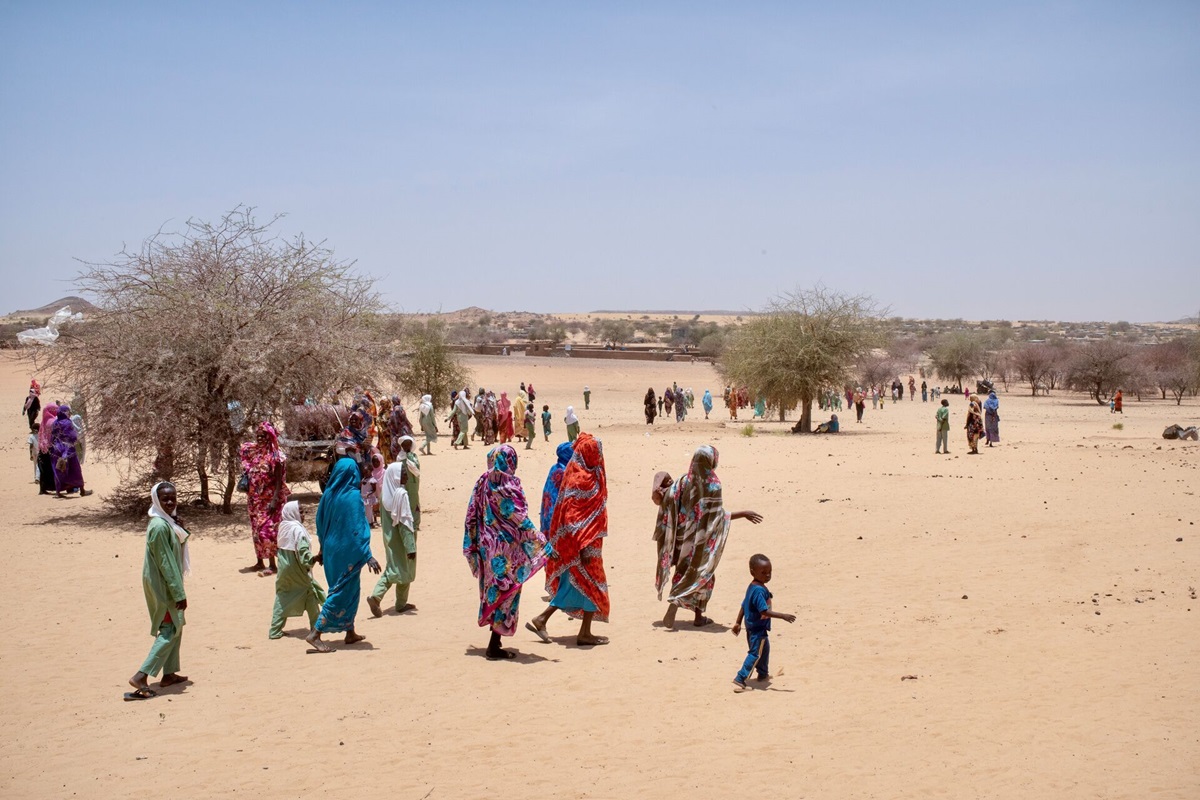
The conflict has triggered an unprecedented exodus, compelling an estimated 13.6 million people to abandon their homes in search of safety. This makes Sudan home to the largest internally displaced population globally, a stark testament to the pervasive insecurity and destruction. These displaced communities often find themselves in precarious living conditions, frequently congregating in overcrowded temporary settlements or straining the resources of host communities. They face acute shortages of adequate shelter, clean water, and sanitation facilities. The abrupt disruption to livelihoods, educational opportunities, and established social networks compounds their vulnerability, creating a generation uprooted and dispossessed, struggling to rebuild their lives amidst ongoing chaos.
The confluence of mass displacement, deteriorating living conditions, compromised water and sanitation systems, and the breakdown of routine immunization programs has created fertile ground for widespread disease outbreaks. Cholera, a deadly waterborne illness, has now been reported in all 18 states of Sudan, indicating a nationwide public health emergency. Dengue fever, a mosquito-borne viral infection, is rampant in 14 states, while malaria, another significant public health threat, is present in 16 states. Measles, a highly contagious respiratory disease, also poses a grave risk, particularly to unvaccinated children, threatening widespread mortality among the youngest and most vulnerable. The limited access to both preventive care and curative treatments, including for chronic conditions like diabetes and hypertension, and the severe lack of specialized care for malnutrition, further exacerbates these intertwined health crises.
Beyond the immediate health and displacement figures, the protracted conflict has wrought catastrophic damage on Sudan’s socio-economic fabric. Agricultural production has plummeted due to insecurity, the displacement of farmers, and the destruction of arable land, directly contributing to the severe food crisis. Markets are disrupted, supply chains fractured, and essential services like education and banking have largely ceased to function in many areas, particularly those most affected by fighting. The national economy is in freefall, leading to widespread poverty, hyperinflation, and a complete erosion of purchasing power for ordinary citizens. This systemic breakdown threatens long-term development and stability, creating a dependency on humanitarian aid that is unsustainable. The destruction of physical infrastructure, including roads, bridges, and communication networks, further isolates communities, impedes both humanitarian access and any prospects for future recovery.
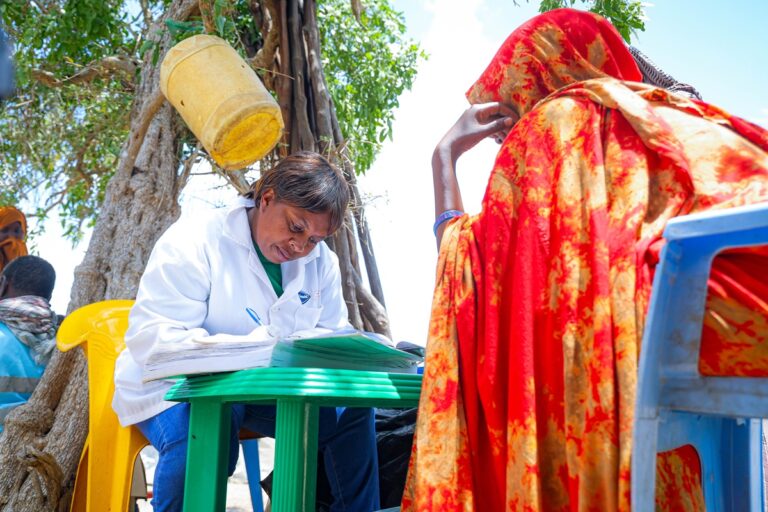
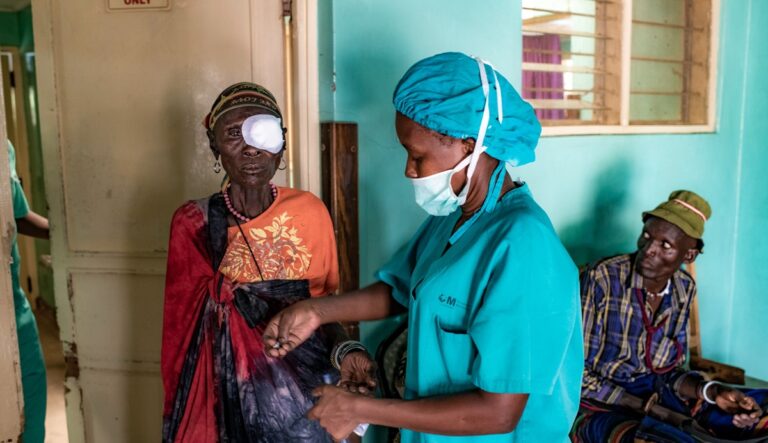
In the face of these immense challenges, international humanitarian organizations, led by entities like the World Health Organization, are working collaboratively with Sudan’s Federal and State Ministries of Health to mitigate the crisis and restore some semblance of health service provision. Since April 2023, WHO has facilitated the delivery of over 3,378 metric tons of critical medical supplies and pharmaceuticals, valued at approximately US$40 million. These provisions include diagnostic tools, therapeutic treatments for severe acute malnutrition, essential medicines for cholera, malaria, and dengue, as well as surgical supplies for emergency procedures. These vital resources have been distributed to 48 partnering health organizations operating across the country. Significant public health campaigns have also been mounted, including the vaccination of approximately 24 million individuals against cholera and robust support for the introduction and scaling up of malaria vaccination programs. Furthermore, more than 3.3 million people have accessed direct healthcare services through facilities and temporary mobile clinics supported by WHO. Specialized nutrition support has reached over 112,400 children suffering from severe acute malnutrition with medical complications, treated in WHO-equipped stabilization centers. Crucially, national and state-level public health laboratories have received support and equipment to enhance their diagnostic capabilities, enabling a more rapid and effective response to disease outbreaks.
Despite these commendable efforts, humanitarian operations remain severely hampered by a multitude of obstacles. Access to critical areas, particularly in the vast Darfur and Kordofan regions, is frequently denied or rendered extremely hazardous due to ongoing hostilities, bureaucratic impediments, and the active targeting of aid workers. This inaccessibility means that millions of vulnerable people in these remote zones are largely cut off from life-saving assistance, leading to a silent escalation of suffering. Compounding the access challenges is a persistent and severe funding deficit. The scale of the crisis far outstrips the resources currently allocated by the international community, leaving significant gaps in essential service delivery and hindering the ability of aid organizations to scale up their responses to meet the burgeoning needs. The WHO Representative in Sudan has repeatedly emphasized the urgent need for safe, unhindered access to all regions of the country and a substantial increase in financial commitments to prevent the crisis from spiraling further out of control.
Ultimately, the humanitarian community unequivocally asserts that no amount of aid can substitute for a political solution. Organizations like the World Health Organization continue to implore all warring factions to adhere to international humanitarian law, ensure the protection of civilians and healthcare infrastructure, and, most importantly, engage in immediate and meaningful dialogue towards a comprehensive ceasefire and lasting peace for the people of Sudan. Without an end to the violence, the path to recovery, rebuilding shattered lives, and restoring a functional society remains distant and fraught with insurmountable challenges. The long-term implications of this protracted conflict on a generation of Sudanese children, their education, health, and future prospects, are profound and demand urgent global attention and decisive action to avert an even greater catastrophe.
About the Author