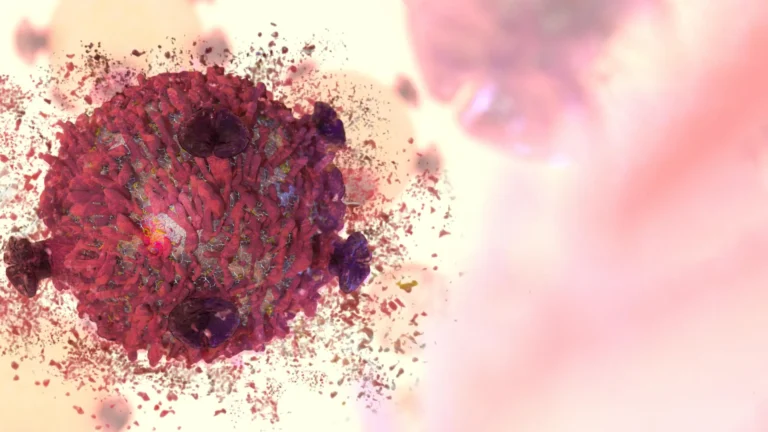
Groundbreaking preclinical investigations originating from the Texas Biomedical Research Institute indicate that the consistent, albeit minute, administration of tetrahydrocannabinol (THC) may offer a therapeutic avenue for alleviating chronic inflammation and mitigating a spectrum of detrimental side effects intrinsically linked to both Human Immunodeficiency Virus (HIV) infection and its standard antiretroviral therapy (ART). THC, recognized as the principal psychoactive constituent within cannabis, was utilized in this research at exceedingly low concentrations, meticulously calibrated to circumvent any discernible impact on the central nervous system, thereby precluding effects such as euphoria or the sensation of being "high."
The scientific inquiry uncovered a constellation of promising outcomes, including a notable augmentation in serotonin levels, coupled with a reduction in systemic inflammation, decreased cholesterol markers, and a diminished presence of deleterious secondary bile acids. Perhaps one of the most significant discoveries was the observation of reduced concentrations of ART medications within the bloodstream, a phenomenon observed even while maintaining robust viral suppression. Given that ART regimens can impose a considerable burden on hepatic function over extended periods, this particular finding holds considerable therapeutic promise. The research, which was recently disseminated in the esteemed scientific journal Science Advances, was conducted utilizing animal models meticulously engineered to closely mirror the physiological conditions of individuals living with HIV undergoing ART.
The imperative of effectively managing the sequelae of HIV treatment regimens cannot be overstated. Contemporary ART protocols have achieved remarkable success in suppressing HIV to undetectable viral loads, effectively transforming a once-dire diagnosis into a manageable chronic health condition. Nevertheless, individuals who achieve long-term survival with HIV frequently contend with persistent health challenges, a consequence of both the underlying viral infection and the prolonged exposure to potent pharmaceutical interventions. Professor Mahesh Mohan, DVM, Ph.D., a leading figure in this research initiative, elucidated this challenge, stating, "Individuals living with HIV frequently experience chronic inflammation, a condition that contributes to a multitude of co-morbidities, including but not limited to cardiovascular disease, liver disease, and certain neurological disorders. Our laboratory is dedicated to uncovering therapeutic strategies that can address these complex health issues." This current research represents a logical progression of earlier investigations spearheaded by Dr. Mohan’s team, which had already begun to explore the therapeutic potential of low-dose THC, drawing parallels to existing FDA-approved THC-based medications utilized for conditions such as seizure disorders, chemotherapy-induced nausea and vomiting, and AIDS-related anorexia and wasting syndrome.
An exhaustive analytical phase, spanning a three-year duration, was undertaken by Lakmini Premadasa, Ph.D., a Staff Scientist within Dr. Mohan’s laboratory, who meticulously examined hundreds of metabolites—essential small molecules crucial for the proper functioning of biological processes. Her primary objective was to ascertain whether the daily administration of low-dose THC, concurrently with ART, exerted any adverse effects on other bodily systems. "We observed no detrimental outcomes," stated Dr. Premadasa, reflecting on the extensive data. "I meticulously continued my investigation, finding it difficult to believe that the effects were entirely positive, yet I was genuinely unable to identify any negative impacts."
The experimental design involved two distinct cohorts of rhesus macaques deliberately infected with the simian immunodeficiency virus (SIV), the primate analog of HIV. Both groups were administered ART for a five-month period; however, only one cohort received supplemental low-dose THC, while the control group was administered a placebo. Upon completion of the study period, SIV levels in both groups were successfully suppressed to undetectable concentrations, underscoring the efficacy of ART. Nevertheless, the parallels ceased at this juncture. The animals that received THC exhibited significantly lower concentrations of ART drugs circulating within their bloodstream when contrasted with the group that received ART alone. "This outcome was entirely unanticipated," Dr. Premadasa remarked. "It strongly suggests that THC may facilitate a more rapid metabolic processing of the antiretroviral drugs, a mechanism that could be highly beneficial in protecting the liver from the toxicological effects associated with certain ART medications currently in use."
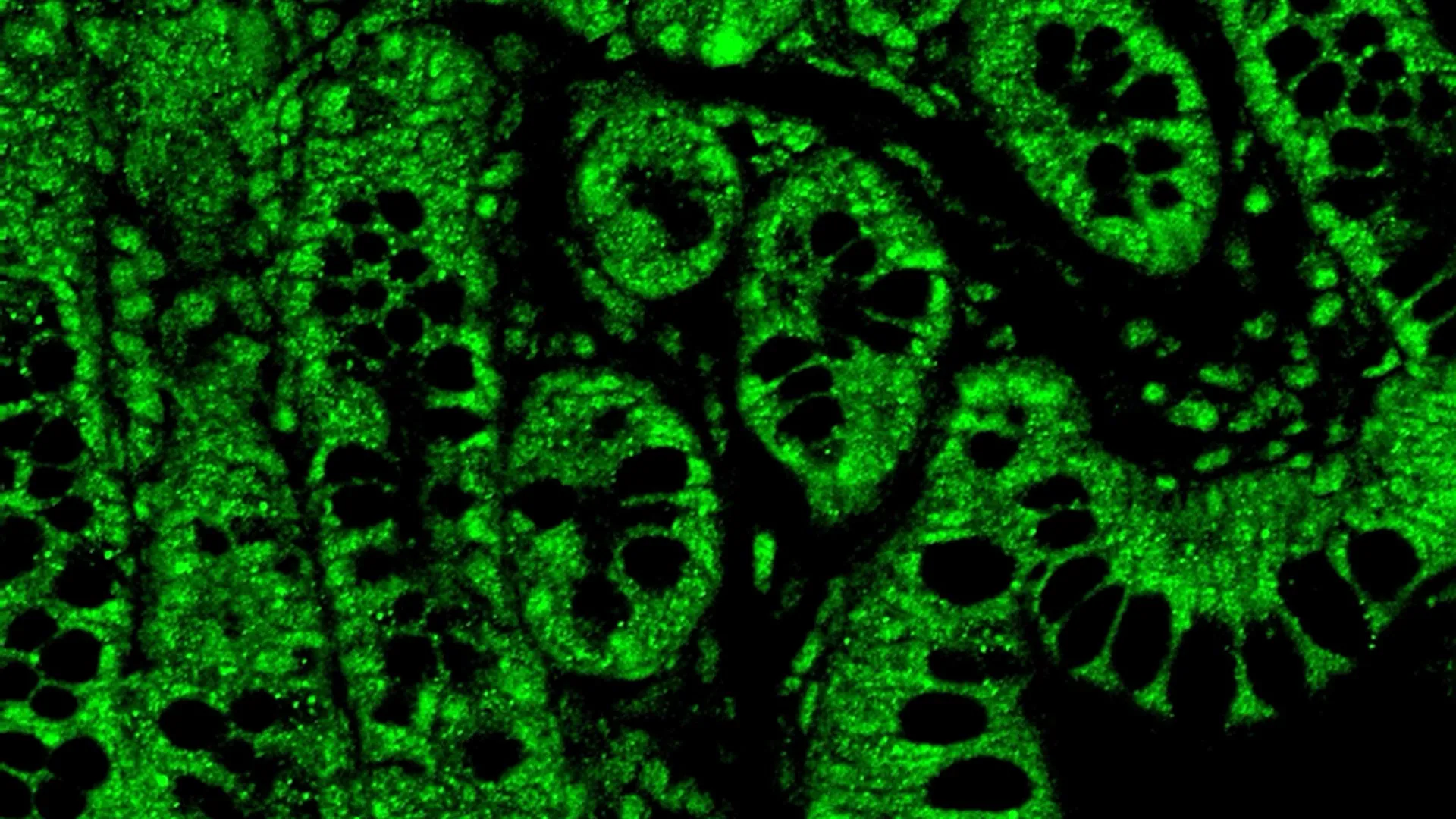
A further significant revelation pertained to serotonin, a critical neurotransmitter instrumental in regulating mood, sleep patterns, and digestive functions. The THC-treated cohort displayed substantially elevated levels of serotonin when compared to the control group. These observed alterations spanned multiple stages of serotonin production, a process predominantly occurring within the gastrointestinal tract. Dr. Premadasa identified an increased abundance of serotonin-producing enterochromaffin cells and a heightened presence of beneficial gut bacteria, specifically Lactobacillus plantarum, known to support serotonin synthesis. Moreover, she noted an enhanced expression of serotonin receptors, which are integral to transmitting signals from the gut to the brain via the vagus nerve, thereby fortifying the communication network along the gut-brain axis. "This is an exceptionally exciting discovery that warrants further in-depth investigation as a potential therapeutic strategy for a range of conditions linked to diminished serotonin levels, including depression, cognitive impairment, ‘brain fog,’ and potentially even symptoms associated with long COVID," commented Dr. Mohan. He further elaborated, "It is well-established that reduced serotonin levels can disrupt signaling between the gut and the brain. Therefore, augmenting these serotonin levels and enhancing inter-organ communication through the judicious use of low-dose cannabinoids could present a novel or complementary treatment paradigm."
Beyond the gut-brain axis, the THC-receiving group also demonstrated a healthier and more balanced gut microbiome, characterized by an increased proliferation of beneficial bacteria recognized for their cholesterol-lowering properties. Researchers also documented a reduction in the levels of secondary bile acids, which, when present in elevated concentrations, can contribute to bile duct obstruction in the liver (cholestasis), inflammation, scarring (cirrhosis), and ultimately, end-stage liver disease. Concurrently, metabolic pathways involved in the breakdown of fatty acids exhibited heightened activity. These metabolic shifts are intrinsically linked to a decreased accumulation of plaque within arteries and an overall improvement in cardiovascular health. In the THC-treated group, the levels of long-chain acetylcholines, a class of fatty acids implicated in plaque formation, reverted to levels observed prior to the onset of the infection. In stark contrast, the animals that received ART without THC continued to exhibit elevated concentrations of these detrimental fatty acids.
Given that this research was conducted in nonhuman primate models, further investigations are indispensable to ascertain whether these salutary effects translate to human populations. The findings may also hold relevance for other conditions characterized by gastrointestinal inflammation, including irritable bowel syndrome, chronic liver disease, and neurodegenerative disorders such as Alzheimer’s and Parkinson’s diseases. The research consortium is presently extending its inquiry to evaluate cannabidiol (CBD), a non-psychoactive cannabinoid, in combination with THC, administered via oral or injectable routes alongside ART. Future research endeavors are slated to explore additional cannabinoids and plant-derived aromatic compounds known as terpenes. The research team strongly emphasizes that the therapeutic outcomes observed in this study may not be replicated with commercially available cannabinoid products due to inherent variability in dosage, formulation, and metabolic processing. Consequently, individuals considering any cannabinoid-based treatments are strongly advised to consult with a qualified healthcare provider. The research was supported by grants from the National Institutes of Health.
About the Author