Navigating the physiological shifts that accompany aging, particularly after the age of 50, often presents new challenges for maintaining body composition, with many individuals observing a tendency for fat accumulation around the midsection. While numerous exercise modalities exist, walking consistently stands out as a highly accessible and impactful form of physical activity. Its low-impact nature, requiring little more than appropriate footwear, allows it to be integrated into nearly any lifestyle, offering a spectrum of health advantages ranging from cardiovascular wellness and enhanced mood to improved sleep patterns and chronic disease prevention. However, to specifically address the nuanced changes in abdominal fat distribution prevalent in midlife and beyond, a more strategic approach to daily ambulation, complemented by other lifestyle adjustments, is essential.
As individuals progress into their fourth and fifth decades, the body undergoes significant transformations that can influence where fat is stored. Hormonal fluctuations, such as those experienced during menopause in women and gradual androgen decline in men, play a critical role, often favoring the deposition of adipose tissue in the abdominal region. This shift is compounded by a natural reduction in muscle mass, a process known as sarcopenia, which inherently slows down metabolic rate. A diminished metabolic engine means fewer calories are burned at rest, making weight management more challenging. Furthermore, declining insulin sensitivity can make the body more prone to storing fat, while chronic stress elevates cortisol levels, a hormone directly implicated in increased visceral fat—the metabolically active fat surrounding internal organs. Postural changes can also contribute to the appearance of a protruding abdomen, and a general decrease in daily physical activity further exacerbates these age-related effects. Recognizing these multifaceted changes is the first step toward implementing targeted interventions.

Optimizing walking for its full potential extends beyond merely accumulating steps; it requires a holistic perspective that integrates movement with other crucial wellness pillars. Karen Ann Canham, CEO and founder of Karen Ann Wellness, emphasizes that the effectiveness of walking is significantly amplified when combined with strength training. This synergy is pivotal because building and maintaining lean muscle mass actively boosts the body’s resting metabolic rate, enabling it to incinerate more calories even when inactive. Canham advises incorporating resistance exercises two to three times per week to sculpt muscle and enhance metabolic function. Concurrently, ensuring sufficient protein intake is non-negotiable for muscle preservation and repair, especially critical for individuals over 50 combatting sarcopenia.
Beyond physical exertion and nutrition, mental and emotional well-being profoundly influence physiological outcomes, particularly concerning abdominal fat. Canham highlights the critical role of effective stress management techniques, noting that elevated cortisol levels, often a byproduct of chronic stress, directly contribute to the accumulation of belly fat. Similarly, the quality of sleep is a powerful regulator of hormonal balance and fat metabolism. Restorative sleep supports the optimal functioning of hormones like leptin and ghrelin, which govern appetite and satiety, and helps mitigate cortisol production. Thus, a comprehensive strategy for waistline management must equally prioritize mental tranquility and adequate rest.
With these foundational elements in place, specific walking strategies can be implemented to directly target abdominal fat and enhance core definition. These are not merely casual strolls but intentional movements designed to maximize physiological benefits.

1. Strategic Variation in Walking Intensity and Cadence:
The pace at which one walks is not a minor detail; it is a significant determinant of metabolic activation and fat utilization. Eric North, known as The Happiness Warrior—a wellness speaker, coach, and advocate for purposeful aging—explains that walking intensity directly influences abdominal fat loss. While a lower, steady intensity primarily uses fat as fuel, higher intensity activities burn more total calories and significantly elevate metabolism, leading to greater overall fat reduction, particularly of visceral fat. For optimal results, incorporating interval walking, which alternates between brisk periods and recovery phases, is highly effective. This method challenges the cardiovascular system, boosts calorie expenditure, and enhances the body’s fat-burning capacity. Consistent, brisk moderate-intensity walks also yield substantial benefits, promoting sustained caloric burn and metabolic engagement.
2. Intentional Core Engagement During Walks:
Transforming a standard walk into a core-focused exercise involves conscious activation of the abdominal muscles. This isn’t about performing crunches while walking, but rather maintaining a subtle, consistent engagement of the deep core stabilizers. Visualize gently pulling the navel towards the spine, without holding your breath or tensing excessively. This postural awareness supports the spine, improves balance, and subtly works the deep abdominal muscles throughout the duration of the walk. Over time, this practice can contribute to strengthening the core musculature, which helps to flatten and define the midsection, counteracting the postural changes that can push the abdomen forward with age.
3. Incorporating Incline or Resistance:
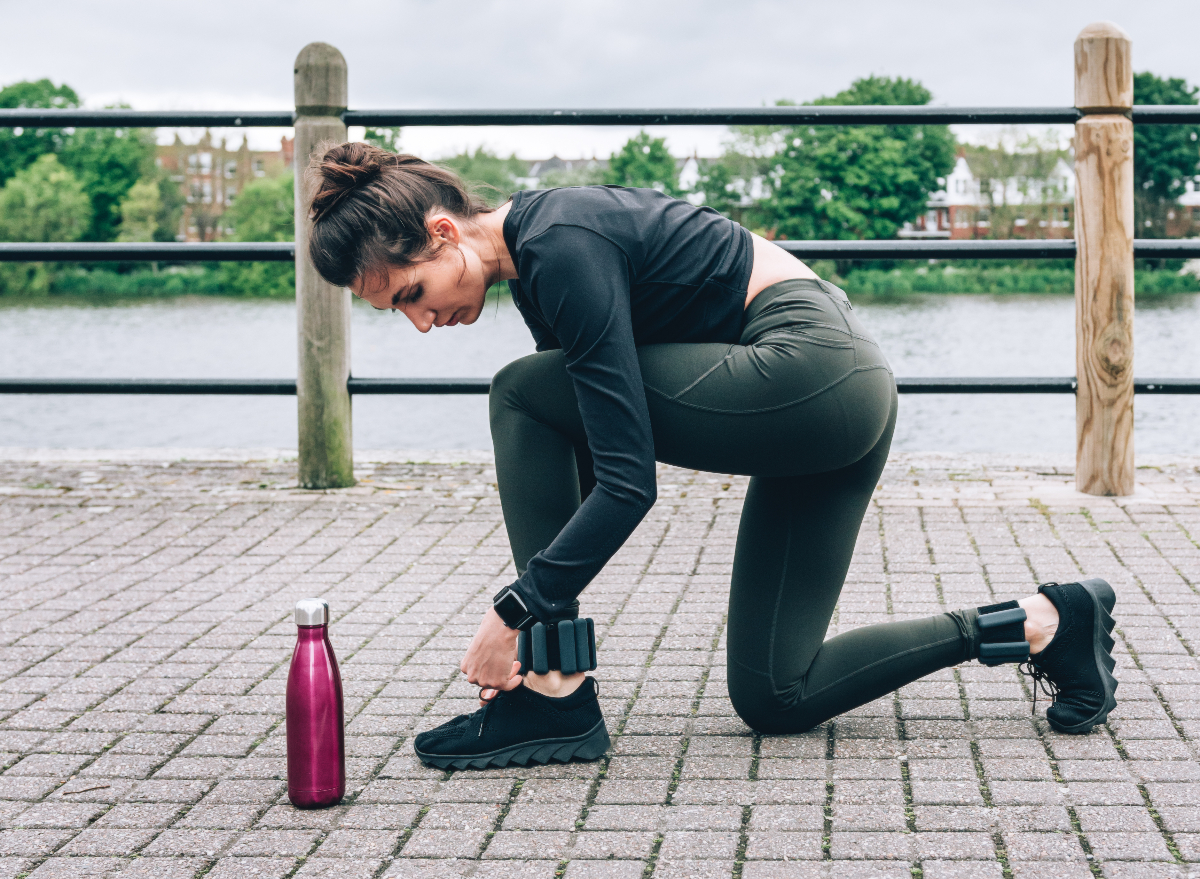
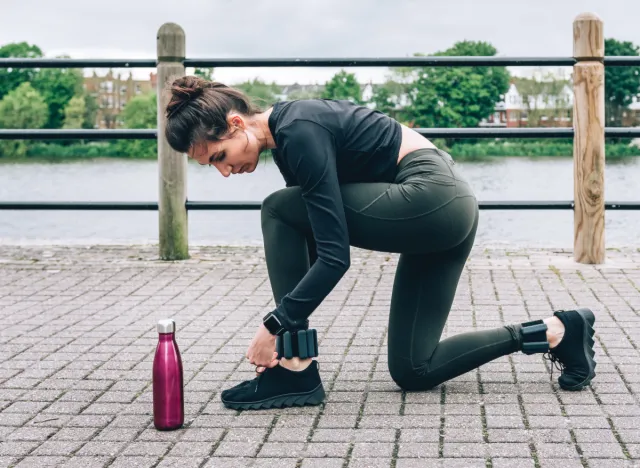
To further intensify the workout and engage more muscle groups, walking on inclines, whether on a treadmill or natural terrain, is highly beneficial. Uphill walking increases calorie expenditure, strengthens the glutes and leg muscles, and implicitly requires greater core stability to maintain balance and posture. For those without access to varied terrain, adding light ankle weights or carrying a weighted vest can similarly increase resistance, making the muscles work harder and boosting caloric burn. These additions elevate the challenge without introducing high-impact forces, maintaining walking’s low-impact advantage while enhancing its efficacy as a fat-burning and muscle-toning activity.

4. Integrating Micro-Breaks for Dynamic Movement:
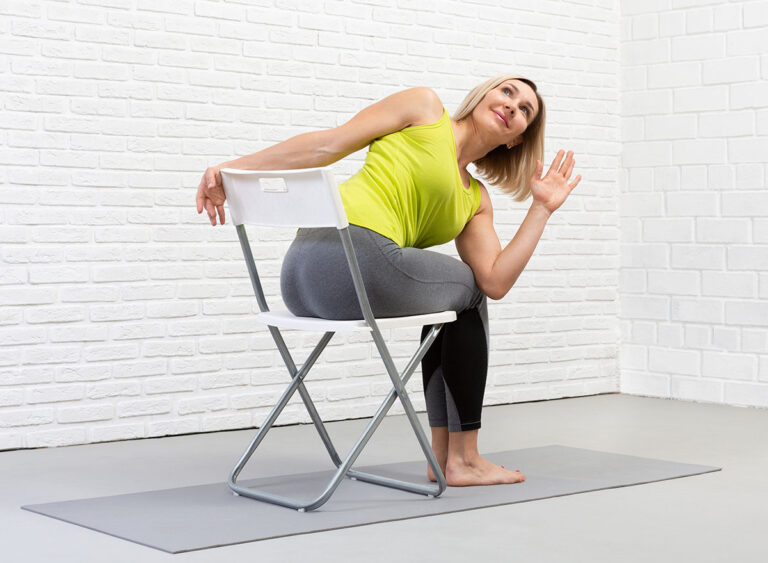
Rather than a continuous, monotonous walk, introducing short, dynamic movements during breaks can amplify the workout. For example, every 10-15 minutes, pause for 30-60 seconds to perform a set of bodyweight squats, lunges, or even standing core twists. These micro-breaks serve as mini-strength intervals, further stimulating muscle groups, increasing heart rate, and breaking up the routine. This approach turns the walking session into a more comprehensive, full-body workout that addresses both cardiovascular fitness and muscular strength, directly contributing to metabolic health and a more defined physique.
5. Prioritizing Hydration and Timing:
While not a "walking trick" per se, proper hydration is an integral component of any effective fitness regimen. Drinking water before, during, and after walks supports metabolic processes, aids in nutrient transport, and helps regulate body temperature. Furthermore, the timing of walks can offer additional benefits. A morning walk, especially before breakfast, might tap into fat reserves more readily for some individuals, though the overall caloric deficit throughout the day remains the primary driver of fat loss. Regardless of timing, consistency is paramount, ensuring that these strategic efforts become an ingrained part of a daily routine.
6. Mindful Engagement and Psychological Benefits:
Beyond the physical, walking offers profound mental health benefits that indirectly support waistline management by mitigating stress. As Eric North eloquently puts it, daily walks can serve as a "free therapy session." This time can be utilized for active meditation, focusing on breath and surroundings, which helps to calm the nervous system and reduce cortisol. Alternatively, listening to educational podcasts or engaging in conversation with a friend can transform the walk into a period of mental enrichment or social connection, both of which are powerful antidotes to stress and isolation. These psychological benefits create a positive feedback loop, making it easier to adhere to a consistent walking routine.
Achieving a more defined midsection and improving metabolic health after 50 is a journey that transcends a single exercise. It demands a synergistic approach, where purposeful walking is complemented by strength training, adequate protein, effective stress coping mechanisms, and restorative sleep. Consistency is the golden thread that weaves these elements together, transforming small, deliberate adjustments into significant, sustainable changes. While visible results within 30 days are a motivating target, the true reward lies in fostering a lifestyle that promotes enduring health, vitality, and a sense of well-being for years to come.
About the Author