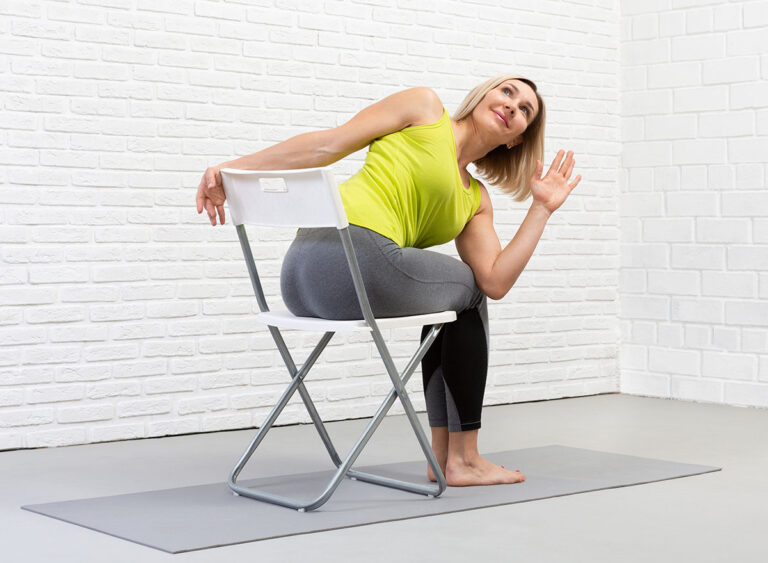

Managing body composition, particularly around the midsection, becomes a significant health consideration as individuals advance beyond their mid-fifties. The accumulation of adipose tissue, especially visceral fat, in the abdominal area is not merely an aesthetic concern but a critical indicator of metabolic health risks, including type 2 diabetes, cardiovascular disease, and certain cancers. While various exercise modalities exist, walking emerges as a remarkably accessible, sustainable, and effective strategy for targeting lower abdominal fat in this demographic. Its low-impact nature, combined with its capacity to integrate seamlessly into daily routines, positions it as a cornerstone for maintaining vitality and promoting sustained weight management.
The physiological landscape undergoes discernible shifts after the age of 55, impacting how the body stores and utilizes fat. Hormonal fluctuations, such as the decline in estrogen for women during menopause and a gradual reduction in testosterone for men (andropause), contribute to a predisposition for fat deposition in the abdominal region. Concurrently, a natural decrease in basal metabolic rate (BMR) occurs with aging, primarily due to sarcopenia, the age-related loss of muscle mass. This reduction in metabolic efficiency means fewer calories are burned at rest, making weight gain, particularly around the abdomen, more probable if dietary habits and physical activity levels remain constant or decline. Visceral fat, which surrounds internal organs, is metabolically active and releases inflammatory compounds and hormones that negatively influence insulin sensitivity and contribute to systemic inflammation, exacerbating these age-related health challenges. Regular physical activity, especially moderate-intensity exercise like walking, directly counteracts these processes by increasing energy expenditure, supporting lean muscle mass, and modulating hormonal responses.

One of the most compelling aspects of walking as an intervention for abdominal fat reduction is its unparalleled accessibility. Unlike many forms of exercise that demand specialized equipment, gym memberships, or specific environmental conditions, walking requires little more than a comfortable pair of shoes. It can be performed almost anywhere—urban parks, suburban sidewalks, rural trails, or even indoors on a treadmill—and at nearly any time of day. This inherent flexibility removes many common barriers to exercise adherence, fostering a sense of autonomy and making consistent engagement more achievable. For individuals over 55, where joint health may be a consideration, walking offers a gentle, low-impact alternative to high-impact activities like running or jumping, minimizing stress on knees, hips, and ankles while still delivering robust cardiovascular benefits. This reduced risk of injury significantly enhances the likelihood of long-term participation, which is paramount for sustainable fat loss.
The effectiveness of walking in reducing abdominal fat stems from its ability to create a consistent caloric deficit, which is the fundamental principle of weight loss. While high-intensity interval training (HIIT) or vigorous strength training burns more calories per minute, walking contributes significantly to total daily energy expenditure (TDEE) without inducing excessive fatigue or requiring extensive recovery periods. This allows individuals to remain active on days when more strenuous workouts might be impractical or undesirable, ensuring a steady, week-long calorie burn. Furthermore, walking improves blood circulation, supports lymphatic drainage, and aids in overall physical recovery, facilitating better performance in other complementary exercises like resistance training. A body that recovers efficiently is more likely to engage consistently in physical activity, creating a virtuous cycle that supports sustained fat loss and improved physical function.
To effectively target abdominal fat, the duration and structure of walking workouts are critical. Public health guidelines from organizations like the Centers for Disease Control and Prevention (CDC) and the World Health Organization (WHO) typically recommend at least 150 to 300 minutes of moderate-intensity aerobic activity per week for adults. For individuals over 55, adhering to the higher end of this spectrum, or even exceeding it, can yield more pronounced benefits for fat loss. This translates to roughly 30 to 60 minutes of brisk walking per session, performed five to seven days a week. While shorter, more frequent walks can certainly contribute to overall activity levels, longer sessions are particularly effective as they allow the body to enter a sustained fat-burning zone. During moderate-intensity exercise, the body primarily relies on fat stores for fuel, making these extended durations highly beneficial for reducing adipose tissue. The cumulative effect of these consistent sessions is a greater overall caloric expenditure over time, which is the key driver for reducing stubborn abdominal fat.
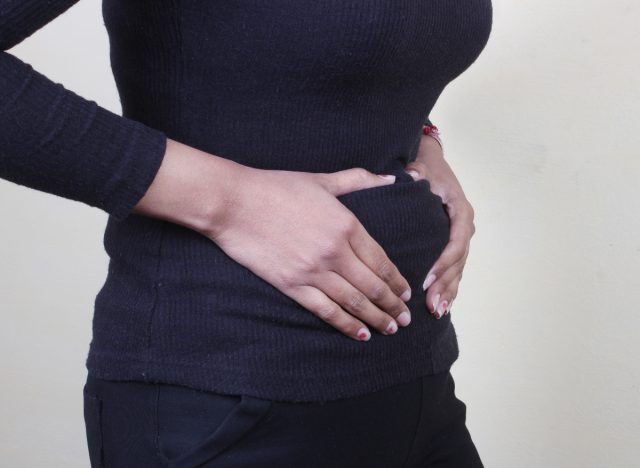
There are two primary approaches to structuring walking workouts for fat loss: steady-state walking and interval walking.
Steady-State Walking: This method involves maintaining a consistent, moderate pace for the entire duration of the workout. For individuals over 55, a "brisk" pace means walking at an intensity where you can talk but not easily sing, indicating that your heart rate is elevated but not excessively strained. This typically corresponds to a perceived exertion level of 4-6 on a scale of 1 to 10.
- Duration: Aim for 45 to 60 minutes per session, three to five times per week.
- Benefits: Promotes cardiovascular endurance, provides a sustained caloric burn, is gentle on joints, and can be mentally relaxing, reducing stress hormones that contribute to abdominal fat storage. The extended duration allows the body ample time to shift into fat oxidation.
- Implementation: Begin with a 5-minute warm-up at an easy pace, then transition to your brisk pace for the main duration, concluding with a 5-minute cool-down.
Interval Walking: This approach alternates between periods of higher intensity and lower intensity within the same workout. Interval walking can elevate heart rate more quickly and provide metabolic benefits similar to more intense cardio, but with less overall impact.
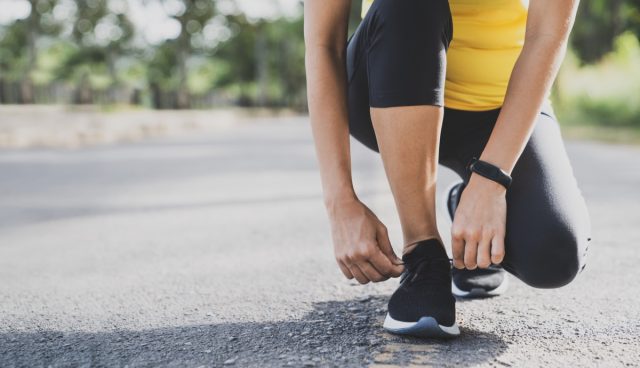
- Duration: Typically 30 to 45 minutes per session, two to three times per week, potentially complementing steady-state walks.
- Benefits: Increases post-exercise oxygen consumption (EPOC), leading to an "afterburn" effect where the body continues to burn calories at an elevated rate even after the workout. It also enhances cardiovascular fitness and can make workouts feel more engaging.
- Implementation: After a 5-minute warm-up, alternate 2-3 minutes of very brisk walking (where talking is difficult) with 3-5 minutes of moderate walking. Repeat this cycle 4-6 times, then finish with a 5-minute cool-down. Adding inclines (on a treadmill or natural terrain) during the brisk intervals can further amplify the metabolic challenge without requiring increased speed, which is beneficial for joint preservation.
While walking forms a powerful foundation, its efficacy in reducing abdominal fat is significantly amplified when integrated into a holistic lifestyle approach. Nutritional strategies play a paramount role; a diet rich in whole foods, lean proteins, healthy fats, and ample fiber, while limiting processed foods, added sugars, and excessive refined carbohydrates, creates the necessary caloric deficit and supports metabolic health. Adequate hydration is also essential for metabolism and overall bodily function.
Furthermore, sufficient sleep is a non-negotiable component of effective fat loss. Chronic sleep deprivation disrupts hormones like ghrelin (which stimulates appetite) and leptin (which signals satiety), leading to increased hunger and a propensity for fat storage, particularly around the abdomen. Aiming for 7-9 hours of quality sleep per night can profoundly impact weight management efforts. Stress management techniques, beyond the inherent stress-reducing benefits of walking, such as mindfulness, meditation, or hobbies, are also crucial. Elevated cortisol levels due to chronic stress are directly linked to increased abdominal fat accumulation.
Finally, incorporating resistance training two to three times a week is highly recommended. Building and preserving muscle mass through activities like bodyweight exercises, resistance bands, or light weights is vital for counteracting age-related metabolic slowdown. Muscle tissue is more metabolically active than fat tissue, meaning it burns more calories at rest, thereby boosting the basal metabolic rate and creating a more favorable environment for sustained fat loss. Walking complements strength training by promoting recovery and improving overall physical capacity, allowing for more consistent and effective workouts across the board.

In conclusion, for individuals over 55 aiming to reduce lower abdominal fat, walking stands out as an exceptionally valuable and practical exercise. By strategically incorporating consistent durations of moderate-intensity steady-state or interval walking into a routine, individuals can significantly increase their daily energy expenditure, improve cardiovascular health, and mitigate the physiological changes associated with aging. When combined with sensible nutrition, adequate sleep, and complementary strength training, walking transcends a simple physical activity to become a fundamental pillar of a comprehensive strategy for healthy aging and effective body composition management. The power lies not in fleeting, intense bursts, but in the steady, repeatable rhythm of consistent steps that, over time, sculpt a healthier, more resilient physique.
About the Author