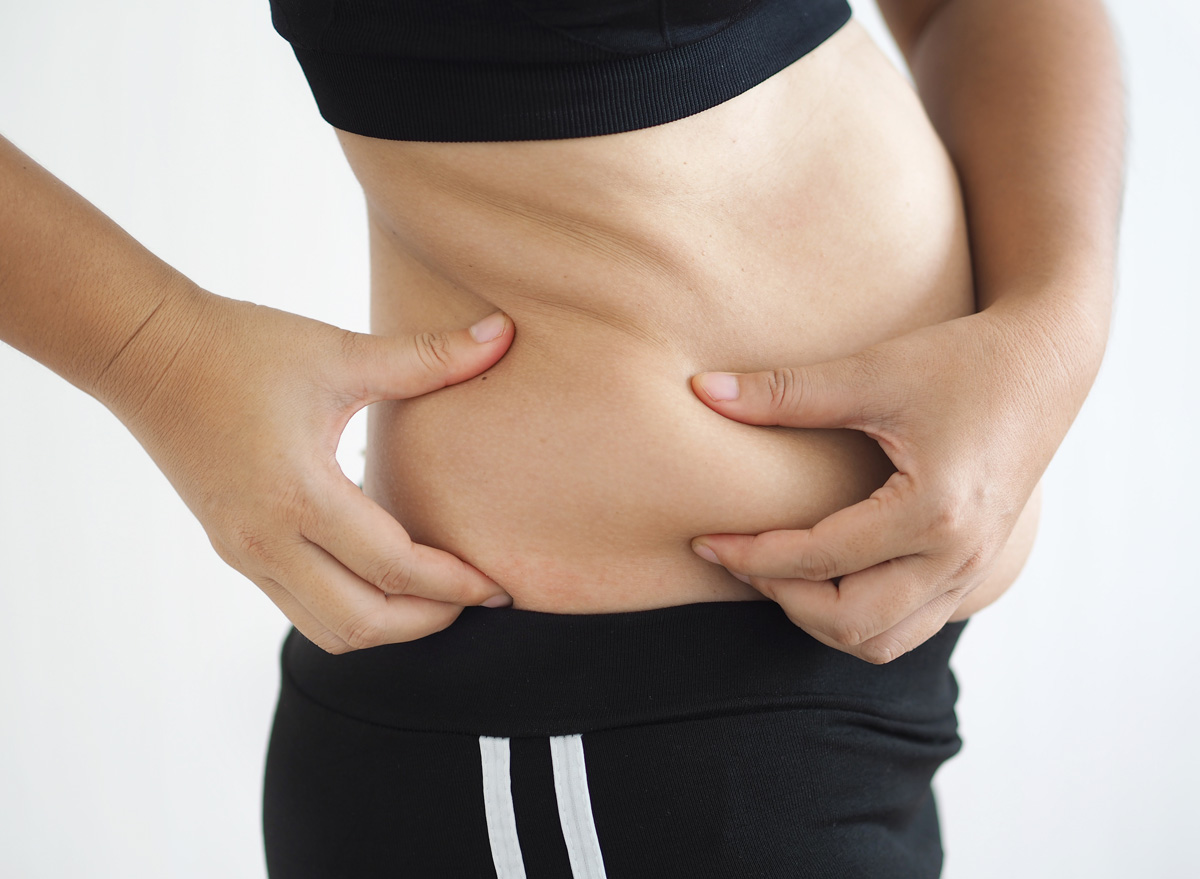
As individuals navigate the landscape of their fifth decade and beyond, many encounter a noticeable shift in body composition, particularly around the midsection. This phenomenon, often colloquially referred to as a "muffin top," represents more than just a cosmetic concern; it frequently indicates the accumulation of visceral fat, a metabolically active and potentially hazardous type of adipose tissue that surrounds internal organs. This deeper abdominal fat poses significant health risks, elevating the likelihood of serious conditions such as cardiovascular disease, stroke, and type 2 diabetes. Understanding the underlying physiological changes contributing to this fat redistribution is crucial for developing effective strategies to mitigate its impact.
The primary drivers behind this age-related shift are often hormonal fluctuations. In women, the onset of menopause brings a significant decline in estrogen levels, which plays a role in regulating fat distribution. As estrogen decreases, fat tends to migrate from the hips and thighs to the abdominal area. Similarly, men experience a gradual decline in testosterone, which can also contribute to increased abdominal adiposity. Compounding these hormonal shifts is the often-increased level of cortisol, the body’s primary stress hormone. Chronic stress, prevalent in modern life, can lead to elevated cortisol, prompting the body to store more fat centrally. Furthermore, age is commonly associated with a natural decline in muscle mass, a process known as sarcopenia, which subsequently slows down metabolism. A reduced metabolic rate means fewer calories are burned at rest, making weight management more challenging and contributing to fat accumulation if dietary habits remain unchanged.
Given these complex physiological changes, the conventional wisdom that solely focusing on cardiovascular exercise is the most effective path to a sculpted midsection and improved metabolic health in middle age warrants reevaluation. While aerobic activities undeniably offer profound benefits for cardiovascular fitness and calorie expenditure, they often fall short in addressing the specific needs of the aging core and the hormonal environment that promotes visceral fat.
To provide a more targeted and effective approach, Matt Bandelier, the Director of Business Development at Eden Health Club, advocates for a strategic shift towards specialized core strengthening. Bandelier emphasizes that while cardio burns calories, it does not possess the unique capacity to build the lean muscle mass essential for reshaping the waistline, enhancing spinal stability, and countering the metabolic slowdown associated with aging. He explains, "The fundamental truth is this: while aerobic activity contributes to caloric expenditure, it does not inherently develop the lean muscle tissue required to sculpt the abdominal region or fortify spinal support. For individuals over 50, cultivating muscle and maintaining continuous engagement of core musculature represents a distinct advantage, surpassing the benefits of merely running on a treadmill." This perspective underscores a critical difference in how various exercise modalities impact body composition and long-term health, particularly as individuals mature.
Targeted core workouts, as recommended by Bandelier, go beyond superficial abdominal exercises. They specifically engage key muscle groups such as the transverse abdominis, which acts as the body’s natural corset, the obliques responsible for rotational and lateral movements, and the deep lower back stabilizers. This comprehensive approach to core training – encompassing anti-rotational, rotational, and focused lateral flexion exercises – creates what Bandelier describes as "shape, tension, and tightness" in the waistline. By fostering a robust foundation beneath the surface, these exercises yield visible results and contribute significantly to overall functional strength and injury prevention. The consistent application of these movements is highlighted as the primary differentiator, building enduring strength and resilience that translates into tangible physical improvements.
Here are five foundational exercises, championed by experts like Bandelier, designed to sculpt the midsection, bolster core strength, and enhance metabolic health for individuals over 50:
1. Standing Dumbbell Side Bends
This exercise is a potent activator of the external obliques and is instrumental in refining lateral flexion, which refers to the ability to bend sideways. Standing tall with a dumbbell in one hand, the movement involves slowly bending to the side where the dumbbell is held, feeling a stretch along the opposite side of the torso. The return to the starting position should be controlled, engaging the obliques to pull the body upright. Bandelier notes that this movement "hones lateral flexion, powerfully activating the external obliques, and delivers an excellent static muscular challenge." Beyond aesthetics, strengthening the obliques through lateral flexion improves spinal flexibility and supports the torso in everyday movements like reaching or twisting. This controlled, unilateral movement emphasizes stability and balance, recruiting core muscles to prevent unwanted sway.
2. Cross-Body Mountain Climbers
Unlike traditional mountain climbers, the cross-body variation introduces a dynamic rotational element, significantly amplifying core engagement. Starting in a plank position, individuals bring one knee towards the opposite elbow, engaging the obliques and transverse abdominis with each movement. This exercise integrates a cardiovascular component with intense core work, making it highly efficient. According to Bandelier, "Dynamic rotation translates to high core activation combined with a cardio effect, all encapsulated within a single movement." This integrated approach not only elevates the heart rate but also challenges the core’s ability to stabilize the pelvis while the limbs are in motion, mimicking functional movements and enhancing overall athleticism. The continuous, rhythmic motion builds muscular endurance and metabolic conditioning.
3. Side-Lying Hip Lift
The side-lying hip lift is an understated yet powerful exercise that targets multiple critical muscle groups. Performed by lying on one side, supported by the forearm, and lifting the hips off the ground, it engages the deep obliques, the gluteus medius (a key hip stabilizer), and teaches comprehensive side-body control. This exercise is vital for improving hip stability, which is often compromised with age, and for strengthening the lateral chain of the core. Bandelier highlights that this lift "engages the deep obliques, the gluteus medius, and cultivates complete side-body control." By strengthening these often-neglected muscles, individuals can improve balance, reduce the risk of falls, and alleviate lower back pain, while simultaneously contributing to a more defined side waistline.
4. Seated Twist Press
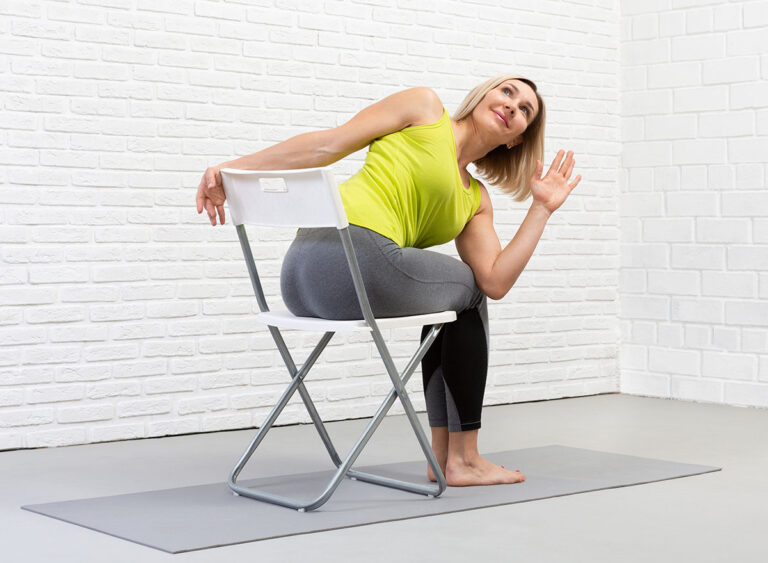
This movement specifically focuses on building rotational endurance and fostering a sense of "tightness" in the midsection, which is crucial for waist trimming. While seated, perhaps on a bench or chair, holding a light weight or medicine ball, individuals twist their torso from side to side, often incorporating a pressing motion. This controlled rotation engages the obliques and other core stabilizers, enhancing their ability to resist and produce rotational force. Bandelier states that the seated twist press "develops rotational endurance and firmness—ideal for refining the waistline." This exercise also improves spinal mobility, which can decrease with age, and strengthens the core’s capacity to protect the spine during twisting motions, common in daily activities and sports.
5. Hanging Knee Tucks
For those with access to a pull-up bar or hanging apparatus, the hanging knee tuck is an advanced yet highly effective exercise for targeting the lower abdominal muscles and the transverse abdominis. By hanging and drawing the knees towards the chest, individuals create a powerful contraction in the often-challenging lower core region. Bandelier describes this exercise as engaging the "lower abs plus transverse, creating your new core corset." He further explains that it "cultivates strength in essential control zones that traditional cardio overlooks." This movement not only builds significant core strength but also improves grip strength and shoulder stability, offering a multifaceted approach to upper body and core development. The inherent instability of the hanging position forces deeper core engagement to maintain control.
The efficacy of these exercises lies not just in their specific targeting of core muscles, but in the consistency of their application. As Bandelier underscores, "Regular, daily execution of these exercises establishes a robust underlying foundation, which ultimately manifests as noticeable physical changes." This consistency builds resilience, improves neuromuscular control, and gradually remodels the body’s composition.
Beyond the structured exercises, a holistic approach to wellness is paramount for adults over 50. Incorporating these core-focused movements into a broader fitness regimen that also includes other forms of strength training, flexibility work, and moderate cardiovascular activity is ideal. Furthermore, dietary considerations play a crucial role in managing abdominal fat. Emphasizing whole, unprocessed foods, adequate protein intake to support muscle maintenance, and careful management of carbohydrate and healthy fat consumption can significantly complement the benefits derived from exercise. Stress reduction techniques, such as mindfulness or meditation, are also vital, given the direct link between elevated cortisol and visceral fat accumulation.
In conclusion, for individuals over 50 seeking to improve their midsection and overall metabolic health, a strategic shift from solely relying on traditional cardio to embracing targeted core strengthening exercises offers a more profound and sustainable solution. By understanding the age-related physiological changes and actively engaging the deep core musculature, individuals can not only redefine their waistline but also significantly enhance spinal stability, improve functional movement, and reduce the health risks associated with visceral fat, paving the way for a healthier and more active life.
About the Author