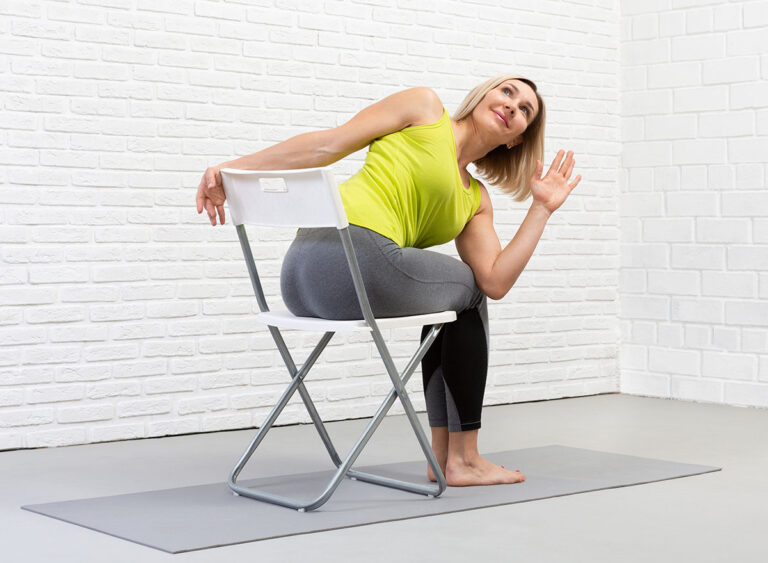
As individuals navigate the post-50 demographic, many observe a noticeable shift in their body composition, particularly concerning the accumulation of adipose tissue around the midsection. This phenomenon, often colloquially referred to as "love handles," presents a common aesthetic and health concern. While a natural consequence of age-related physiological changes such as fluctuating hormone levels, decelerated metabolism, and sarcopenia (age-related muscle loss), effectively addressing this area requires a nuanced approach that transcends conventional exercise paradigms. Traditional cardiovascular workouts, while vital for cardiovascular health and overall calorie expenditure, frequently fall short in precisely targeting the deep abdominal muscles and obliques that contribute to a cinched waistline and robust core stability. A more effective strategy involves incorporating functional, multi-planar movements designed to engage the entire kinetic chain and specifically activate the intricate musculature supporting the torso.
The conventional wisdom often champions prolonged aerobic activity as the primary method for fat reduction. While calorie deficits are indeed crucial for overall weight loss, the efficacy of cardio alone in specifically reshaping the abdominal region, particularly after the age of fifty, warrants closer examination. Sustained periods on a treadmill or elliptical machine primarily burn calories through repetitive, often linear movements. This type of exercise, while excellent for improving cardiorespiratory fitness, does not typically demand the kind of intense core bracing, rotational control, or anti-rotational stability that is essential for strengthening the deep abdominal wall and the oblique muscles responsible for defining the waist. Consequently, individuals might observe a reduction in overall body weight but little discernible change in the firmness or contour of their midsection. The fundamental challenge lies in teaching the core to dynamically support, rotate, and resist external forces, skills that are not inherently developed through steady-state cardio.
Beyond the superficial "six-pack" muscles (rectus abdominis), the core encompasses a complex network of muscles, including the transverse abdominis, internal and external obliques, multifidus, diaphragm, and pelvic floor. These muscles function synergistically to stabilize the spine, maintain proper posture, facilitate efficient movement, and generate intra-abdominal pressure. After fifty, factors such as decreased muscle mass, reduced elasticity of connective tissues, and a tendency towards more sedentary lifestyles can compromise the integrity and responsiveness of this crucial muscular corset. When these deep stabilizers are not adequately challenged, the midsection can appear softer and less defined, irrespective of overall body fat percentage. Therefore, a successful strategy for waistline refinement must prioritize exercises that specifically activate these profound core structures, promoting both strength and functional integration.
Exercises that blend rotational elements, balance challenges, and full-body engagement are particularly potent for individuals over fifty seeking to redefine their waistline. These movements inherently recruit energy from stored fat reserves while simultaneously fortifying the obliques and the deeper abdominal muscles responsible for drawing the torso inward. Instead of merely chasing exhaustion or calorie burn, the focus shifts to cultivating precision, enhancing postural alignment, and developing controlled power. This integrated approach not only contributes to a more sculpted midsection but also confers broader benefits vital for healthy aging, including improved balance, reduced risk of falls, enhanced spinal support, and greater ease in performing daily activities. Furthermore, building lean muscle mass through such resistance-based movements can help counteract age-related metabolic slowdown, contributing to a more efficient fat-burning metabolism even at rest.
The following five exercises exemplify this principle, requiring minimal to no specialized equipment and adaptable for various home environments. Their design ensures continuous tension across the waist from multiple angles, demanding active core engagement throughout the movement, which fosters a tightening effect that extends beyond the workout session. Consistency in practice and a meticulous focus on clean, controlled execution are paramount to realizing their full potential for midsection transformation.
1. Standing Cross-Body Knee Drives: This dynamic movement strategically engages the oblique muscles by compelling the upper and lower body to operate in concert through a controlled, twisting motion. Executing this exercise from a standing position significantly escalates the demand on the core, as the torso must actively stabilize against gravity without external support, thereby activating the obliques with each repetition. The cross-body trajectory not only compresses the waistline but also concurrently hones balance and coordination—critical neuromuscular skills that tend to diminish with age if not consistently maintained. Unlike many supine abdominal exercises, this upright drill ensures sustained tension, which can accelerate fat mobilization while reinforcing a more stable and compact midsection capable of supporting daily functional movements. To perform, stand tall with feet hip-width apart. Lift one knee towards the chest while simultaneously bringing the opposite elbow across the body to meet it, engaging the obliques. Return to the starting position with control and alternate sides. Focus on a deliberate, unhurried motion rather than speed.
2. Standing Side Reach Crunches: This exercise elegantly lengthens and contracts the lateral muscles of the waist in a fluid, continuous pattern, fostering a sculpting effect that static isometric holds often cannot achieve. Extending one arm overhead while performing a lateral crunch forces the core to stabilize while the obliques on the working side shorten and lengthen under tension. The standing posture further integrates the hips and legs, increasing the overall caloric expenditure of the movement without imposing undue stress on the joints. Over time, consistent practice of this movement cultivates a waistline that is not only firmer but also more responsive and resilient, rather than relaxed and unsupported. Begin by standing with feet shoulder-width apart, one arm extended overhead. Slowly lean to the opposite side, feeling the stretch and contraction along the waist, then return to the upright position. Maintain a steady tempo and avoid collapsing into the movement.
3. Alternating Reverse Lunges with Rotation: This compound exercise challenges core stability through inherent instability, driving a profound level of deep abdominal activation. As one steps back into a lunge, the torso must actively resist unwanted rotation, and the deliberate addition of a controlled twist significantly amplifies oblique engagement. The substantial involvement of the lower body in this multi-joint movement elevates metabolic demand, aiding in fat reduction while simultaneously strengthening muscles crucial for maintaining proper posture and balance—attributes that are increasingly important after fifty. This synergistic combination renders it considerably more effective than isolated abdominal work for addressing stubborn midsection fat. Start in a standing position. Step back into a reverse lunge, ensuring the front knee tracks over the ankle. As you lunge, rotate your torso towards the front leg, keeping the movement controlled. Push off the back foot to return to standing and alternate legs.
4. Seated Lean-Back Twists: This controlled, seated exercise specifically targets the profound muscles responsible for drawing the waist inward, such as the transverse abdominis, while concurrently minimizing direct pressure on the spinal column. The lean-back posture creates increased leverage, compelling the transverse abdominis to engage continuously for spinal support. The slow, deliberate rotational pattern sharpens the definition of the obliques and reinforces postural strength, benefits that seamlessly translate into improved comfort and efficiency in everyday movements. This particular drill rewards meticulous patience and precise muscular control, ultimately delivering a sustained tightening effect rather than a fleeting sensation of burn. Sit on the floor with knees bent and feet flat, leaning back slightly to engage the core. Clasp hands together or hold a light weight. Slowly twist the torso from side to side, focusing on the contraction of the oblique muscles and maintaining a stable lower body.
5. Slow Mountain Climbers: By reducing the pace of this classic exercise, it transforms into a potent tool for addressing persistent midsection fat. Each knee drive towards the chest compels the core to stabilize the torso against shifting body weight, maintaining constant tension across the abdominal region. The deliberate, slower tempo eliminates momentum, thereby transferring the workload directly onto the abdominal muscles. This sustained engagement actively tightens areas prone to stubborn fat accumulation while simultaneously reinforcing the stability of the shoulders and hips, which are integral for long-term fat loss and overall functional fitness. Begin in a high plank position, hands directly under shoulders, body in a straight line. Slowly draw one knee towards the chest, engaging the core, then return it to the starting position with control. Alternate legs, ensuring the hips remain stable and do not pike up or sag.
While these targeted exercises are instrumental in refining the midsection, it is imperative to acknowledge that they form one component of a holistic approach to wellness after 50. Optimal results are typically achieved when these functional core strategies are integrated within a broader lifestyle framework that includes balanced nutrition, adequate hydration, sufficient sleep, and effective stress management techniques. Consistency is the cornerstone of progress; committing to a regular regimen of these movements, performed with precision and intention, will pave the way for a stronger, more stable, and aesthetically redefined midsection, enhancing both physical appearance and overall functional capacity as one ages gracefully.
About the Author