Maintaining a robust core and a well-defined midsection often presents unique challenges as individuals progress through their later decades. While the desire for a flatter abdomen remains common, traditional high-intensity abdominal workouts, characterized by repetitive spinal flexion movements, frequently prove counterproductive or even detrimental for older adults. Such conventional approaches can place undue strain on sensitive areas like the neck and lower back, a concern highlighted by institutions such as the National Institutes of Health. Furthermore, the natural physiological changes associated with aging, including a decline in muscle mass known as sarcopenia, contribute to a reduction in metabolic rate, making the task of preserving a trim waistline considerably more complex.
The notion that strenuous, high-impact exercise is the sole pathway to core strength is increasingly being re-evaluated, particularly for the demographic over sixty. Contemporary fitness philosophy advocates for a more intelligent, body-aware approach to physical activity. This paradigm shift emphasizes efficiency and safety over sheer intensity, acknowledging the importance of movements that support the body rather than stress it. For older individuals, this often translates to incorporating exercises performed on a supported surface, such as a bed, which can significantly mitigate joint pressure and provide a stable environment for movement. This accessibility can also foster greater consistency in an exercise regimen, a critical factor for achieving sustained results.
A deeper understanding of anatomical function reveals that effective abdominal toning extends far beyond superficial muscle engagement. The transverse abdominis, often referred to as the body’s natural "corset" muscle, plays a pivotal role in stabilizing the spine and cinching the waistline. Unlike exercises that primarily target the rectus abdominis (the "six-pack" muscles), movements that activate this deep abdominal muscle offer superior spinal protection and contribute more effectively to a flatter, more supportive core. Research has consistently demonstrated the benefits of these deep core activation exercises over conventional sit-ups or crunches, particularly in safeguarding spinal health.
Beyond the abdominal musculature itself, a holistic approach to core strengthening necessitates the integration of other large muscle groups. As James Brady, a certified personal trainer at OriGym, explains, optimizing the midsection’s appearance and functionality in later life hinges on the synergistic activation of deep abdominal muscles alongside the powerful muscles of the posterior chain, such as the glutes. "When these systems work in sync," Brady notes, "the waistline appears flatter, not because of spot reduction, but because the abdominal wall becomes stronger and more supportive." This integrated strategy addresses both aesthetics and crucial functional fitness components, including posture and balance.
Moreover, the battle against age-related metabolic slowdown is intimately linked with muscle preservation. Scientific findings published in journals like Endocrinology and Metabolism underscore that maintaining and even rebuilding muscle mass is among the most potent strategies for bolstering metabolic health as one ages. Engaging large muscle groups, such as the glutes, contributes significantly to this effort, as these muscles are metabolic powerhouses. By stimulating these substantial muscle groups, individuals can counteract the metabolic deceleration associated with sarcopenia, making it easier to manage body composition and support a healthier waistline.
Considering these insights, a series of five carefully selected, bed-based exercises offers a gentle yet highly effective pathway to a stronger, more defined midsection for individuals over sixty. These movements are designed to be accessible across various fitness levels, prioritizing safety and efficacy.
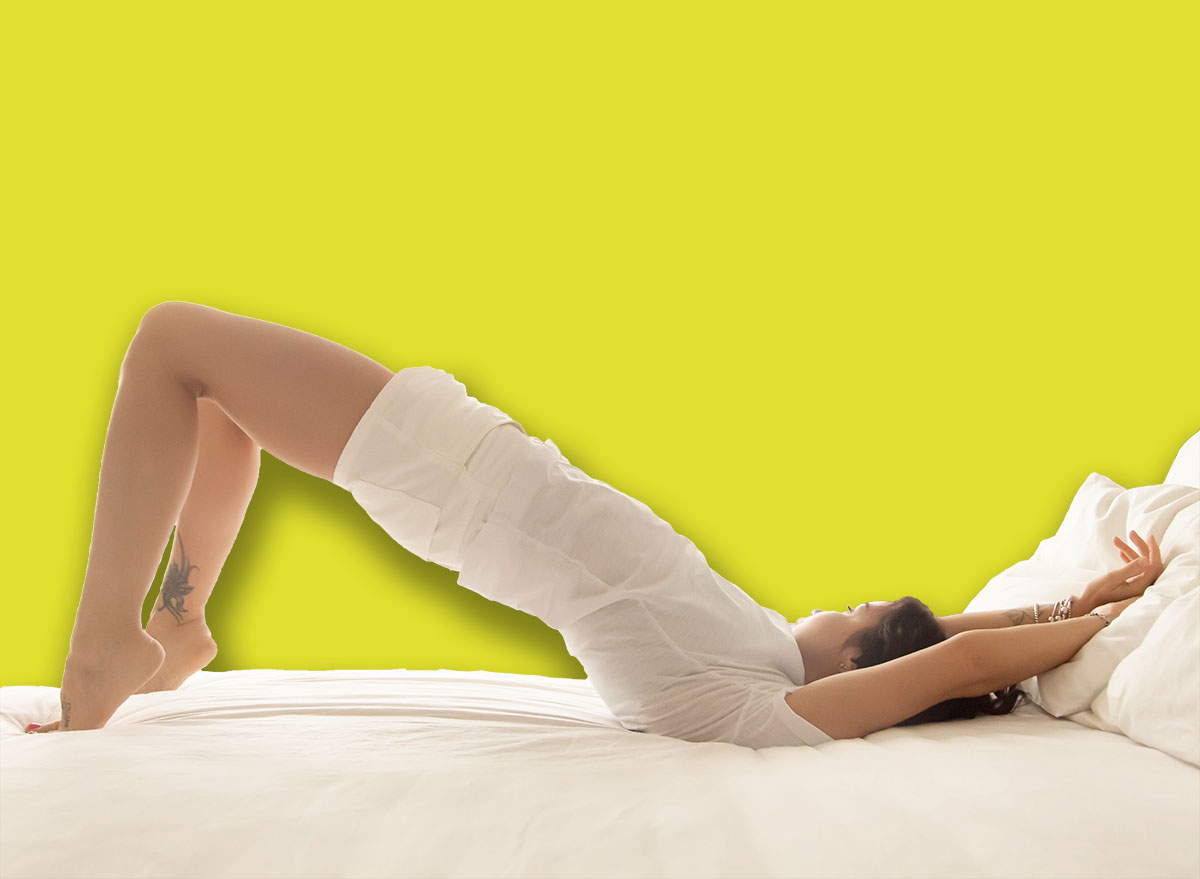
1. Glute Bridges for Foundational Strength
The glute bridge stands out as a fundamental exercise, often underestimated for its profound impact on core and metabolic health, particularly in the senior population. The glutes, being among the largest muscle groups in the human body, are critical for maintaining a robust metabolism. Activating these muscles through the hip-lifting motion inherent in a glute bridge helps to counteract the metabolic slowdown associated with aging. Concurrently, as the hips elevate, the deep core muscles engage instinctively to stabilize the pelvis and spine, fostering improved core control and support. This exercise thus offers a dual benefit: enhancing a significant muscle group for metabolic vitality while simultaneously strengthening the foundational core.
2. Heel Slides for Deep Abdominal Engagement
While seemingly understated, heel slides are exceptionally proficient at engaging the transverse abdominis, the internal "corset" muscle responsible for tightening the waistline and providing crucial spinal support. This exercise offers a distinct advantage over traditional crunches by building core strength without imposing undue stress on the neck or lower back, making it an ideal choice for older adults. The controlled, sliding motion of the heels necessitates precise engagement of the deep abdominal muscles, promoting a strong and stable core without the flexion-based strain often associated with more aggressive abdominal workouts.
3. Seated Knee Tucks for Lower Core Activation
The seated knee tuck presents an excellent opportunity to target the often-neglected lower abdominal muscles, an area many individuals over sixty find challenging to engage effectively. Performed from a seated position, this exercise introduces an element of balance, which further enhances core stabilization and proprioception. The controlled movement of drawing the knees towards the chest requires concerted effort from the lower portion of the core, thereby strengthening these muscles and contributing to a more uniformly toned abdominal region. Its seated nature also provides support, minimizing the risk associated with less stable positions.
4. Controlled Leg Raises for Enhanced Core Endurance
Controlled leg raises are an advanced yet adaptable exercise for developing strength in the lower core musculature. Unlike swinging leg raises that can rely on momentum, the emphasis here is on the deliberate, slow lowering phase of the movement. This extended "time under tension" significantly intensifies the workout for the lower abdominal muscles, promoting greater strength and endurance. By focusing on precision and control rather than speed, this exercise effectively strengthens the abdominal wall without placing excessive strain on the back, provided proper form is maintained and the range of motion is appropriate for the individual.
5. Modified Bed Plank Hold for Full Core Integration
The classic plank is a cornerstone of core training, and its modified bed variation offers an outstanding means to cultivate comprehensive core strength while minimizing joint strain. By utilizing the bed surface for forearm support, individuals can alleviate pressure on the wrists and shoulders, common points of discomfort during traditional floor planks. This adaptation allows for sustained engagement of the entire core musculature, including the abdominals, obliques, and lower back. Planks are instrumental in teaching the body to resist extension, which is crucial for strengthening the abdominal wall, improving posture, and contributing to a firmer, more supportive waistline. The modified approach ensures accessibility and safety, enabling older adults to harness the profound benefits of this highly effective isometric exercise.
In conclusion, achieving a stronger, more defined midsection in later life is not about enduring painful or risky exercises. Instead, it involves a strategic, informed approach that respects the body’s natural changes while leveraging smart, supportive movements. By prioritizing deep core activation, integrating large muscle groups, and embracing exercises that minimize strain, individuals over sixty can cultivate a robust core, enhance metabolic health, and enjoy greater functional fitness and comfort in their daily lives. Consistency and mindful execution of these targeted, bed-based exercises offer a sustainable path toward these valuable outcomes.
About the Author