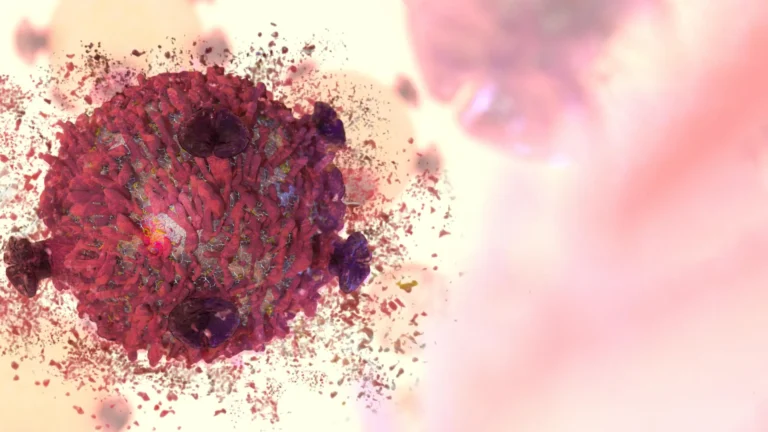
SN101 is meticulously engineered from mature iPSC-derived peripheral pain-sensing neurons, also known as nociceptors. These specialized cells are specifically cultivated to address the debilitating pain associated with osteoarthritis. The newly presented findings underscore a paradigm shift in therapeutic intervention, moving beyond mere symptom suppression to a more comprehensive approach that targets the underlying disease processes. The scientific rationale behind SN101’s efficacy is elegantly explained by its unique mechanism of action. Instead of transmitting pain signals to the brain, these engineered neurons act as a sophisticated biological sponge, effectively sequestering pain-inducing inflammatory molecules within the joint. This "absorption" of pain factors directly interrupts the signaling cascade that leads to the sensation of pain.
This novel mechanism contrasts sharply with traditional pain relief methods, which often focus on blocking specific pain pathways or masking symptoms. By intercepting pain mediators at their source, SN101 offers a more direct and potentially more sustained form of pain relief. Furthermore, the research indicates that these iPSC-derived nociceptors are not merely passive sponges; they also actively release regenerative factors. These beneficial substances, confirmed through rigorous mechanistic studies, suggest that SN101 possesses disease-modifying capabilities, potentially slowing or even reversing the progression of osteoarthritis. This dual action – pain reduction and tissue regeneration – positions SN101 as a potential game-changer in the landscape of osteoarthritis therapeutics, offering the prospect of a disease-modifying osteoarthritis drug (DMOAD).
The development of SN101 is particularly significant when viewed in the context of emerging therapeutic classes. For instance, single-target therapies, such as those employing Nav 1.8 inhibitors, aim to block a singular pain-related pathway. While these approaches hold promise, they may not fully address the complex, multifactorial nature of chronic pain. SN101, by contrast, exhibits a broader biological profile. The iPSC-derived neurons naturally express a comprehensive array of major pain receptors and ion channels. This inherent versatility allows SN101 to modulate multiple pain and inflammation pathways simultaneously, offering a more holistic and potentially more effective solution for patients experiencing the multifaceted symptoms of osteoarthritis.
This comprehensive approach distinguishes SN101 from therapies that target only a single molecular or cellular component of the pain pathway. The ability to influence a wider range of biological processes means that SN101 could offer relief from a broader spectrum of pain sensations and inflammatory responses associated with joint degeneration. The development team at SereNeuro Therapeutics emphasizes that this broad-spectrum activity is a key differentiator, enabling the therapy to address the complex interplay of factors that contribute to osteoarthritis pain and joint damage.
The limitations of current standard-of-care treatments for osteoarthritis have long been a subject of concern within the medical community. Corticosteroid injections, while providing temporary pain relief, are known to have detrimental effects on joint health. These injections can accelerate cartilage degradation over time, a consequence that ultimately exacerbates the underlying disease and can lead to a worsening of symptoms and further joint damage. This paradoxical effect, where a treatment for pain inadvertently contributes to disease progression, highlights the urgent need for alternative therapeutic strategies.
Dr. Daniël Saris, a distinguished member of SereNeuro’s Clinical Advisory Board and a professor of orthopedics and regenerative medicine at the Mayo Clinic, articulated this critical concern. He pointed out that while corticosteroids offer immediate comfort, their long-term impact can be counterproductive, leading to an accelerated decline in joint function. This underscores the significant unmet need for treatments that not only alleviate pain but also actively promote joint health and prevent further deterioration.
In stark contrast to the known drawbacks of corticosteroids, the preclinical data presented for SN101 suggest a profoundly different outcome. The evidence indicates that SN101 actively supports the preservation of joint tissue, working in tandem with its pain-relieving effects. This dual benefit – alleviating chronic pain while simultaneously protecting and potentially regenerating cartilage – offers a compelling alternative to existing treatments. Moreover, SN101’s mechanism of action bypasses the neurochemical pathways associated with addiction, presenting a significant advantage over opioid-based pain management strategies, which carry a substantial risk of dependence and abuse.
The development of iPSCs has revolutionized regenerative medicine, offering a unique platform for generating various cell types for therapeutic purposes. Induced pluripotent stem cells are derived from adult somatic cells, such as skin or blood cells, which are then reprogrammed to an embryonic-like pluripotent state. This reprogramming allows them to differentiate into virtually any cell type in the body, including the specialized peripheral pain-sensing neurons (nociceptors) that form the basis of SN101. The ability to generate a pure population of these specific neuronal cells from iPSCs is a crucial aspect of SereNeuro’s therapeutic approach, ensuring consistency and efficacy in the final product.
The scientific journey leading to SN101 involved extensive research into the molecular and cellular mechanisms of pain perception and joint degeneration. Understanding how nociceptors function, how inflammatory mediators contribute to pain and tissue damage, and how regenerative processes can be stimulated were critical steps. SereNeuro’s work builds upon decades of research in neuroscience and stem cell biology, translating fundamental scientific discoveries into a tangible therapeutic candidate. The company’s focus on iPSC-derived neurons represents a sophisticated application of cutting-edge biotechnology to address a widespread and debilitating medical condition.
Osteoarthritis, a degenerative joint disease affecting millions worldwide, is characterized by the breakdown of cartilage, leading to pain, stiffness, and reduced mobility. Current treatments primarily focus on managing symptoms, with limited options for addressing the underlying disease progression. The economic and personal burden of osteoarthritis is immense, impacting quality of life and increasing healthcare costs. Therefore, the development of therapies like SN101, which offer the potential for disease modification and long-term joint health, is of paramount importance.
The preclinical findings presented by SereNeuro Therapeutics offer a compelling glimpse into the future of osteoarthritis treatment. By leveraging the unique properties of iPSC-derived nociceptors, SN101 promises a novel, non-opioid approach to pain management that also actively contributes to joint tissue preservation. This innovative therapy moves beyond the limitations of existing treatments, offering hope for a more comprehensive and sustainable solution for individuals living with the chronic pain and progressive joint damage of osteoarthritis. The ongoing development of SN101 signifies a significant stride forward in the quest for effective and regenerative therapies for this prevalent musculoskeletal condition.
About the Author