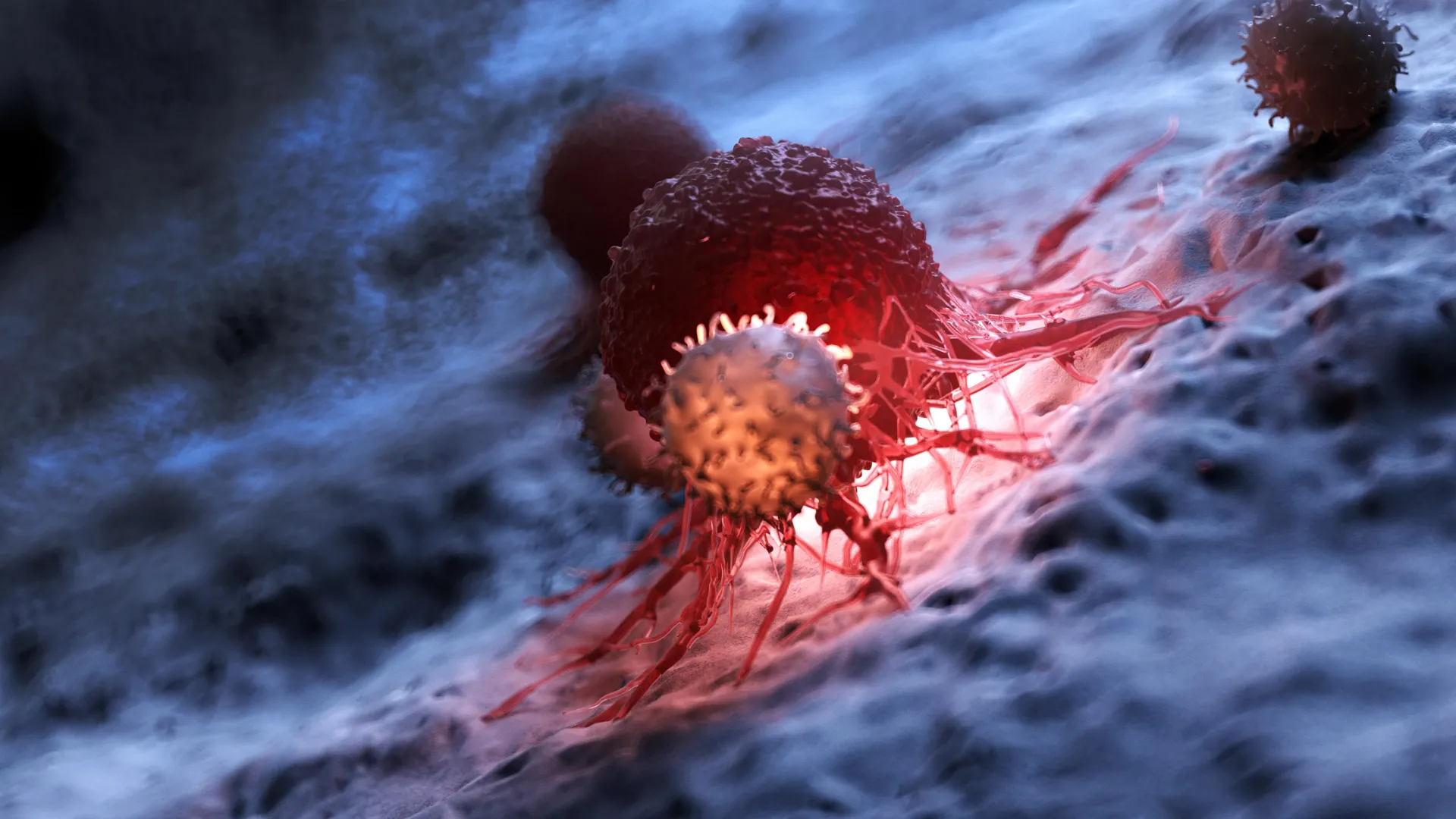
The landscape of oncology has been fundamentally reshaped by the advent of cancer immunotherapy, a revolutionary approach that harnesses the body’s intrinsic immune system to combat malignant cells. Foremost among these advancements are immune checkpoint inhibitors (ICIs), particularly those targeting the programmed cell death protein 1 (PD-1) and its ligand, PD-L1. These therapies have delivered unprecedented, durable responses in a subset of patients across various cancer types, fostering considerable optimism regarding long-term disease control. However, a significant clinical challenge persists: a substantial majority of individuals treated with these innovative drugs do not experience the same profound benefits. Tumors frequently develop sophisticated mechanisms to elude detection and destruction by immune cells, thereby limiting the overall effectiveness and reach of current immunotherapeutic strategies.
This persistent hurdle has compelled the scientific community to broaden its investigative scope, moving beyond the immediate tumor microenvironment to explore systemic mechanisms of immune suppression. Researchers are increasingly recognizing that cancerous growths can exert immunosuppressive effects throughout the entire organism, not merely within their localized anatomical site. A burgeoning area of inquiry focuses on small extracellular vesicles (sEVs), minute lipid-bilayer nanoparticles actively secreted by various cell types, including cancer cells. These sEVs act as critical conduits for intercellular communication, capable of transporting a diverse cargo of proteins, lipids, and nucleic acids to distant cells. Critically, sEVs released by tumors have been implicated in disseminating immunosuppressive molecules, effectively preconditioning the host immune system to tolerate the cancer’s presence in ways that are still being thoroughly elucidated.
Unraveling the PD-L1 Trafficking Mystery
In an concerted effort to decode how cancer cells leverage sEVs to propagate immune evasion, a collaborative research team spearheaded by Professor Kunihiro Tsuchida from Fujita Health University in Japan, alongside colleagues from Tokyo Medical University Hospital and Tokyo Medical University, embarked on a detailed investigation. Their central objective was to precisely identify the molecular machinery responsible for the selective packaging of PD-L1, a pivotal immune checkpoint protein, into these sEVs, and to ascertain whether this specific pathway could represent a viable therapeutic target. The premise of their work, detailed in a publication within Scientific Reports, centered on a critical unanswered question within the field: "While it is recognized that cancer cells release small extracellular vesicles laden with PD-L1, which are believed to attenuate the efficacy of cancer immunotherapy, the precise mechanism by which PD-L1 is sorted into these vesicles has remained elusive." Addressing this fundamental gap in understanding became the cornerstone of their extensive research program.
Discovery of a Novel Molecular Regulator in Immune Resistance
Employing a comprehensive array of advanced methodologies, encompassing intricate molecular and cell biology techniques, rigorous biochemical and pharmacological assays, analysis of patient-derived biological samples, and sophisticated bioinformatics approaches, the research collective made a groundbreaking discovery. They identified a novel protein, ubiquitin-like 3 (UBL3), as a central orchestrator governing the directional sorting of PD-L1 into sEVs. This identification shed critical light on a previously uncharacterized pathway contributing to immune escape.
Their investigations revealed that PD-L1 undergoes a distinct post-translational modification involving UBL3, a process previously unknown in this context. This particular modification is facilitated through the formation of a disulfide bond, a chemical linkage between sulfur atoms, and notably deviates from the well-established and extensively studied process of classical ubiquitination, which typically involves the attachment of ubiquitin proteins. Further meticulous experimentation meticulously pinpointed a specific amino acid residue, cysteine at position 272 (Cys272) within the cytoplasmic domain of the PD-L1 protein, as absolutely indispensable for this UBL3-mediated modification to occur.
The functional significance of UBL3 was underscored by a series of compelling experiments. When UBL3 levels were experimentally upregulated within cancer cells, a pronounced and dose-dependent increase was observed in the quantity of PD-L1 subsequently packaged into sEVs. This elevation occurred despite the total cellular concentration of PD-L1 remaining unaltered, thereby strongly indicating a specific role for UBL3 in trafficking rather than overall protein expression. Conversely, a targeted reduction in UBL3 expression led to a discernible decrease in the loading of PD-L1 into these vesicles and its subsequent secretion from the cell. Collectively, these compelling findings unequivocally established UBL3 as a pivotal and direct regulator in the pathway directing PD-L1 into small extracellular vesicles.
The Unexpected Role of Statins in Disrupting Immune Evasion
Perhaps one of the most clinically impactful revelations emerged when the research team systematically screened for existing pharmacological agents capable of interfering with this newly identified UBL3-PD-L1 pathway. Their investigations yielded a remarkably promising discovery: statins, a class of drugs widely and routinely prescribed globally for their cholesterol-lowering properties, demonstrated a potent ability to inhibit UBL3 modification. Every clinically utilized statin compound subjected to testing within the study effectively attenuated UBL3 activity, consequently diminishing PD-L1 modification and resulting in a significant reduction in the amount of PD-L1 being sorted into sEVs.
Crucially, these therapeutic effects were observed at remarkably low drug concentrations, levels that are not only therapeutically achievable in human patients but also well below thresholds known to induce cytotoxic effects or adverse cellular toxicity. This finding holds immense promise for potential clinical translation due to the established safety profile and widespread use of statins. Reinforcing the clinical relevance of their in vitro and cellular findings, analyses of blood samples obtained from patients diagnosed with non-small cell lung cancer (NSCLC) provided corroborating evidence. Among patients exhibiting high expression of PD-L1 within their tumors, those who were concomitantly receiving statin therapy displayed significantly reduced levels of PD-L1-containing sEVs circulating in their bloodstream when compared to a matched cohort of patients not on statins.
Further bolstering the clinical implications, extensive bioinformatic analyses revealed a statistically significant association between the combined expression profile of UBL3 and PD-L1 and the overall survival outcomes in patients with lung cancer. This powerful correlation strongly underscored the potential clinical significance of this newly elucidated regulatory pathway in determining patient prognosis and therapeutic response.
Redefining Immunotherapy Resistance and Charting a New Therapeutic Course
The cumulative findings from this comprehensive study offer a profound new perspective on the complex mechanisms underlying the failure of immune checkpoint inhibitors in a substantial proportion of cancer patients. The research unmasks a previously "hidden" molecular pathway through which cancer cells actively disseminate immunosuppressive PD-L1 via extracellular vesicles, thereby enabling tumors to orchestrate a systemic weakening of host immune responses far beyond their immediate anatomical boundaries. This systemic immune suppression creates an environment permissive for tumor growth and resistant to conventional immunotherapies.
The serendipitous connection of this critical immune escape pathway to statins is particularly compelling and carries immense clinical implications. Given that statins are among the most commonly prescribed medications worldwide, are exceptionally cost-effective, and possess a well-established safety record, this discovery opens an accelerated pathway towards potential clinical application. The researchers themselves highlighted this transformative potential, stating, "In the long term, this research may lead to more effective and accessible cancer immunotherapies. It could help more patients benefit from immune checkpoint treatments, improving survival and quality of life in real-world settings."
A New Horizon for Overcoming Immunotherapy Resistance
In essence, this landmark investigation unequivocally demonstrates that UBL3-driven modification is a pivotal molecular event promoting the packaging and subsequent release of PD-L1 into small extracellular vesicles. Crucially, it reveals that widely available statin drugs possess the capacity to disrupt this precise process, leading to a measurable reduction in the levels of circulating immunosuppressive PD-L1. By illuminating vesicle-associated PD-L1 trafficking as a previously unrecognized yet modifiable driver of immune escape, this research pioneers a highly promising avenue for surmounting intrinsic and acquired resistance to existing cancer immunotherapies.
The strategic integration of statins into existing or novel combination treatment strategies holds significant promise. This approach could offer a remarkably simple, economically viable, and scalable method to augment the efficacy of immune checkpoint inhibitors, thereby translating into improved clinical outcomes and enhanced quality of life for a greater number of cancer patients. While further rigorous clinical trials are imperative to validate these preclinical findings in human cohorts, this discovery lays a robust scientific foundation for repurposing a safe, established drug to unlock the full potential of cancer immunotherapy. It also identifies UBL3 itself as a potential biomarker for predicting response or a novel direct therapeutic target for future drug development. This work represents a significant stride towards making transformative cancer treatments more broadly effective and accessible.
About the Author