Navigating the complex landscape of weight management often involves reevaluating dietary staples, and for many, cheese presents a particular dilemma. Often perceived as a calorically dense indulgence, cheese can, in fact, be a valuable ally in the pursuit of fat reduction, especially when selected and consumed judiciously. The objective of achieving a leaner physique, particularly concerning visceral fat around the abdomen, is fundamentally rooted in creating a consistent caloric deficit while simultaneously supporting metabolic health and muscle mass. A growing body of nutritional science, supported by expert opinion, indicates that certain dairy products, particularly those rich in protein, offer significant advantages in fostering satiety and maintaining lean muscle tissue—two critical pillars of effective and sustainable weight loss.

Weight loss is not merely about restricting calories; it is about optimizing nutrient intake to support the body’s physiological processes, manage hunger, and preserve muscle, which is metabolically active. Protein, in particular, plays an outsized role in this equation. It requires more energy to digest than carbohydrates or fats, a phenomenon known as the thermic effect of food. Moreover, protein is renowned for its satiating properties, helping individuals feel fuller for longer and thereby reducing overall calorie consumption. This sustained feeling of fullness is paramount in preventing overeating and adhering to a controlled eating plan. Muscle maintenance is equally vital; during periods of caloric restriction, the body can inadvertently break down muscle alongside fat. Adequate protein intake helps safeguard this precious muscle mass, ensuring a robust metabolism that continues to burn calories efficiently.
According to Tara Collingwood, MS, RDN, CSSD, LD/N, an accomplished Board Certified Sports Dietitian and co-author of the Flat Belly Cookbook for Dummies, the intelligent incorporation of protein-rich cheeses can indeed facilitate these processes. She emphasizes that no single food holds the power to melt away abdominal fat independently. Instead, the strategic inclusion of cheeses that are both high in protein and conducive to controlled portions can significantly contribute to a sense of satisfaction and the preservation of muscle tissue, both integral elements for broader fat reduction efforts. This perspective underscores a balanced approach, where beloved foods like cheese are not eliminated but rather chosen wisely and consumed mindfully as part of an overarching nutritional strategy.
When considering which cheeses to integrate into a weight management plan, several factors come into play beyond just protein content. The overall fat content, especially saturated fat, and sodium levels warrant attention. Opting for varieties that offer a good protein-to-calorie ratio, are lower in saturated fat, and can be easily portioned without overindulgence forms the bedrock of a smart dairy strategy.
Cottage Cheese: A Protein Powerhouse
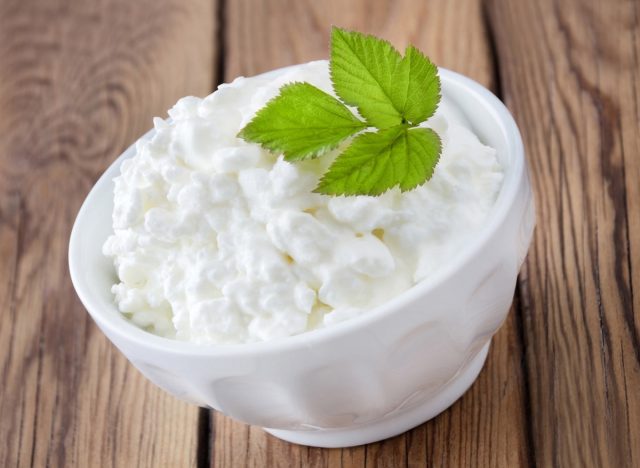
Often hailed as a cornerstone of high-protein diets, cottage cheese stands out due to its exceptional protein density. This fresh cheese is particularly rich in casein protein, which is digested slowly, providing a steady release of amino acids and a prolonged sense of fullness. This sustained satiety is invaluable for curbing hunger pangs between meals, directly supporting a calorie-controlled diet. Its versatility is another major asset; available in various fat percentages, from non-fat to full-fat, it allows individuals to tailor their intake based on caloric needs and personal preferences. Whether enjoyed plain, topped with fruit for a sweet treat, or mixed with herbs and vegetables for a savory snack, cottage cheese serves as an excellent base for nutrient-dense meals that contribute to muscle development and metabolic vigor. The ability to maintain lean muscle mass is particularly crucial when targeting abdominal fat, as muscle tissue burns more calories at rest compared to fat.
Part-Skim Mozzarella: Convenience and Calcium
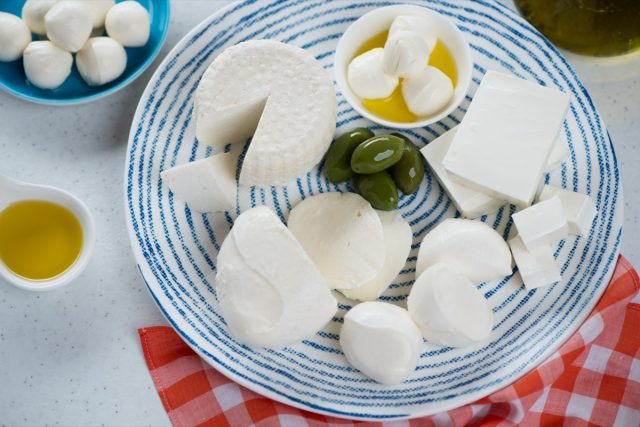
Part-skim mozzarella offers a compelling combination of lower fat content, substantial protein, and valuable calcium, making it a highly suitable choice for those managing their weight. Its relatively modest caloric footprint, coupled with its nutrient profile, positions it as a beneficial component within a balanced eating regimen. The availability of mozzarella in convenient forms, such as string cheese, simplifies portion control, making it an ideal grab-and-go snack that delivers satisfying protein without excessive calories. Calcium, a mineral abundant in mozzarella, is not only crucial for bone health but has also been explored in research for its potential role in fat metabolism. Incorporating part-skim mozzarella into salads, wraps, or as a light topping on whole-grain dishes can enhance flavor and nutrient intake while aligning with weight loss objectives.
Part-Skim Ricotta: Creamy Texture, Versatile Application
Part-skim ricotta, a creamy, soft cheese, provides a notable amount of protein and calcium, offering a distinct textural experience that can greatly enhance dietary adherence. Unlike many other cheeses, ricotta contains a significant amount of whey protein, which is rapidly absorbed and contributes to quick muscle repair and satiety. Its mild flavor and smooth consistency make it incredibly adaptable, equally at home in both sweet and savory preparations. For instance, a dollop of part-skim ricotta paired with fresh berries and a sprinkle of cinnamon can transform into a satisfying, low-calorie dessert, while combining it with herbs and a touch of roasted vegetables creates a savory and filling side dish or spread. This dual utility makes it easier for individuals to enjoy a wider variety of foods while maintaining disciplined calorie intake, thereby fostering long-term dietary compliance.
Swiss Cheese: Lower Sodium, Distinct Flavor
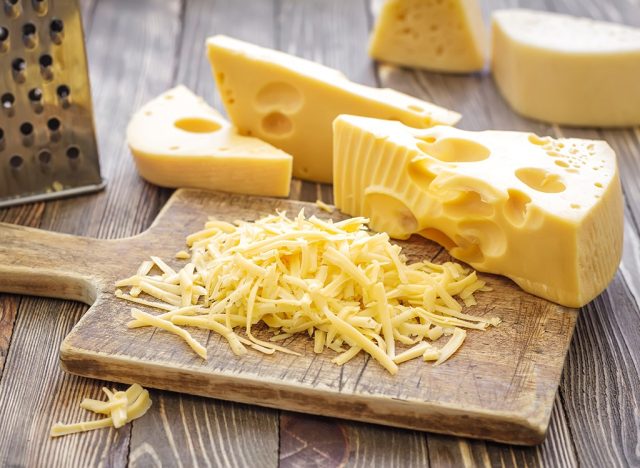
For individuals mindful of sodium intake, Swiss cheese presents an appealing option. It typically contains less sodium compared to many other cheese varieties, which can be particularly advantageous for those prone to water retention or bloating. Beyond its lower sodium profile, Swiss cheese delivers a good dose of protein, contributing to the feeling of fullness. Its distinctive nutty and slightly sweet flavor, characterized by its iconic "eyes," makes it a flavorful addition to meals without requiring large quantities. This inherent flavor intensity aids in portion control, allowing a small slice to impart significant taste. Swiss cheese pairs exceptionally well with whole-grain bread for a nutritious sandwich, or alongside a selection of fresh fruits for a balanced snack, providing both protein and complex carbohydrates.
Parmesan: Umami-Rich and Flavorful
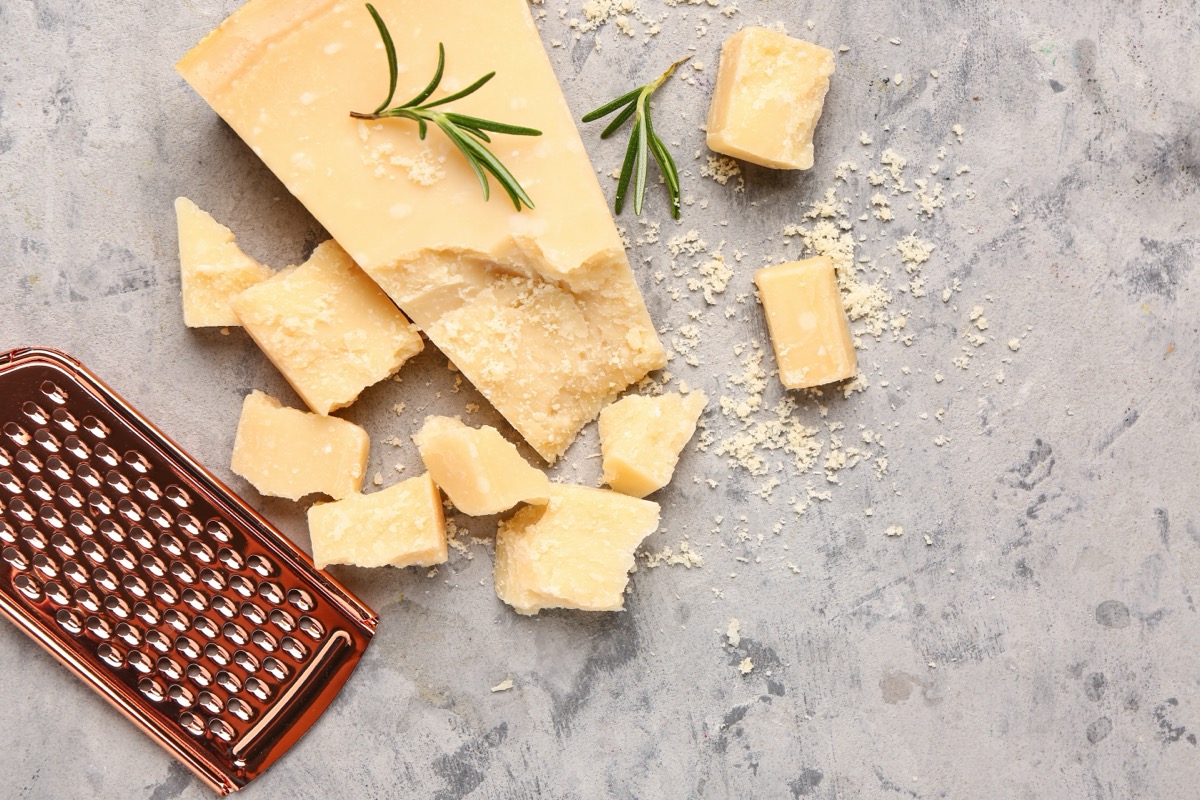
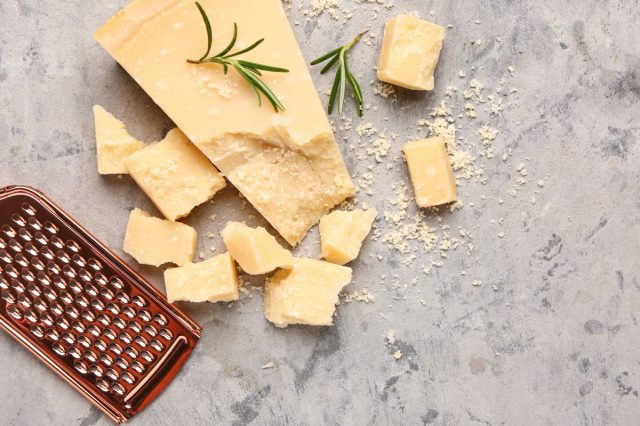
Parmesan, a hard, granular cheese, is celebrated for its intense, umami-rich flavor profile. This characteristic allows it to impart profound taste with minimal quantity, making it an excellent tool for portion control in a weight management context. Despite its robust flavor, Parmesan is surprisingly protein-dense for a hard cheese. A small grating, perhaps a tablespoon or two, can elevate a simple salad, pasta dish, or roasted vegetables, adding a burst of savory depth without significantly increasing the caloric load. The satisfaction derived from its strong flavor helps to curb cravings and enhance the enjoyment of healthier meals, demonstrating that flavor need not be sacrificed in the pursuit of weight loss. Its concentrated taste means a little goes a long way in providing satisfaction and protein.
Greek-Style Feta: Tangy and Aromatic
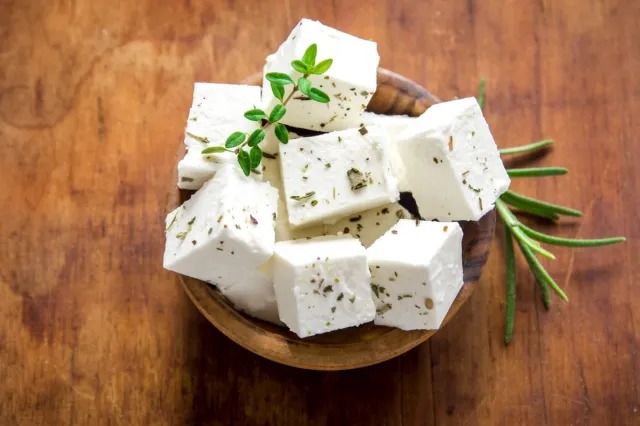
Greek-style feta, with its characteristic salty and tangy notes, is another cheese that leverages flavor intensity for effective portion management. Its robust and piquant profile means that even a small amount can significantly enhance the taste of a dish, providing a satisfying culinary experience. This makes it particularly effective for adding a vibrant touch to salads, grilled vegetables, or lean protein bowls without over-consuming calories. As a staple of the Mediterranean diet, which is widely recognized for its health benefits, including weight management, feta integrates seamlessly into nutritious eating patterns. Its crumbled texture and distinctive taste offer a way to inject excitement and satiety into meals, ensuring that dietary changes remain enjoyable and sustainable.
Goat Cheese (Chèvre): Distinctive and Digestible
Goat cheese, or chèvre, offers a unique alternative for those seeking diversity in their cheese choices. Its characteristic rich, tangy, and sometimes earthy flavor profile naturally encourages mindful consumption, aiding in portion control. For some individuals, goat cheese may also be easier to digest compared to cheeses made from cow’s milk, potentially due to differences in protein structure or lower lactose content, although individual sensitivities vary. Its creamy yet crumbly texture makes it a versatile ingredient, capable of adding a sophisticated touch to various dishes. A modest amount of goat cheese can lend a luxurious creaminess to salads, enhance the flavor of roasted beets, or complement a simple whole-grain cracker, providing a satisfying experience that supports weight management goals through controlled enjoyment and unique flavor.
In conclusion, integrating cheese into a strategy for reducing body fat, particularly around the abdomen, is not only feasible but can be highly effective when approached with knowledge and intention. The key lies in prioritizing protein-rich varieties, practicing mindful portion control, and considering the overall nutritional balance. These expert-recommended cheeses—cottage cheese, part-skim mozzarella, part-skim ricotta, Swiss, Parmesan, Greek-style feta, and goat cheese—each offer distinct advantages in fostering satiety, preserving muscle mass, and enhancing the flavor of meals, thereby contributing to sustainable weight loss. Ultimately, successful weight management is about building a diverse and enjoyable diet that supports metabolic health and promotes a feeling of well-being, rather than resorting to restrictive deprivation. With smart choices, cheese can indeed remain a delightful and beneficial component of a health-conscious lifestyle.
About the Author