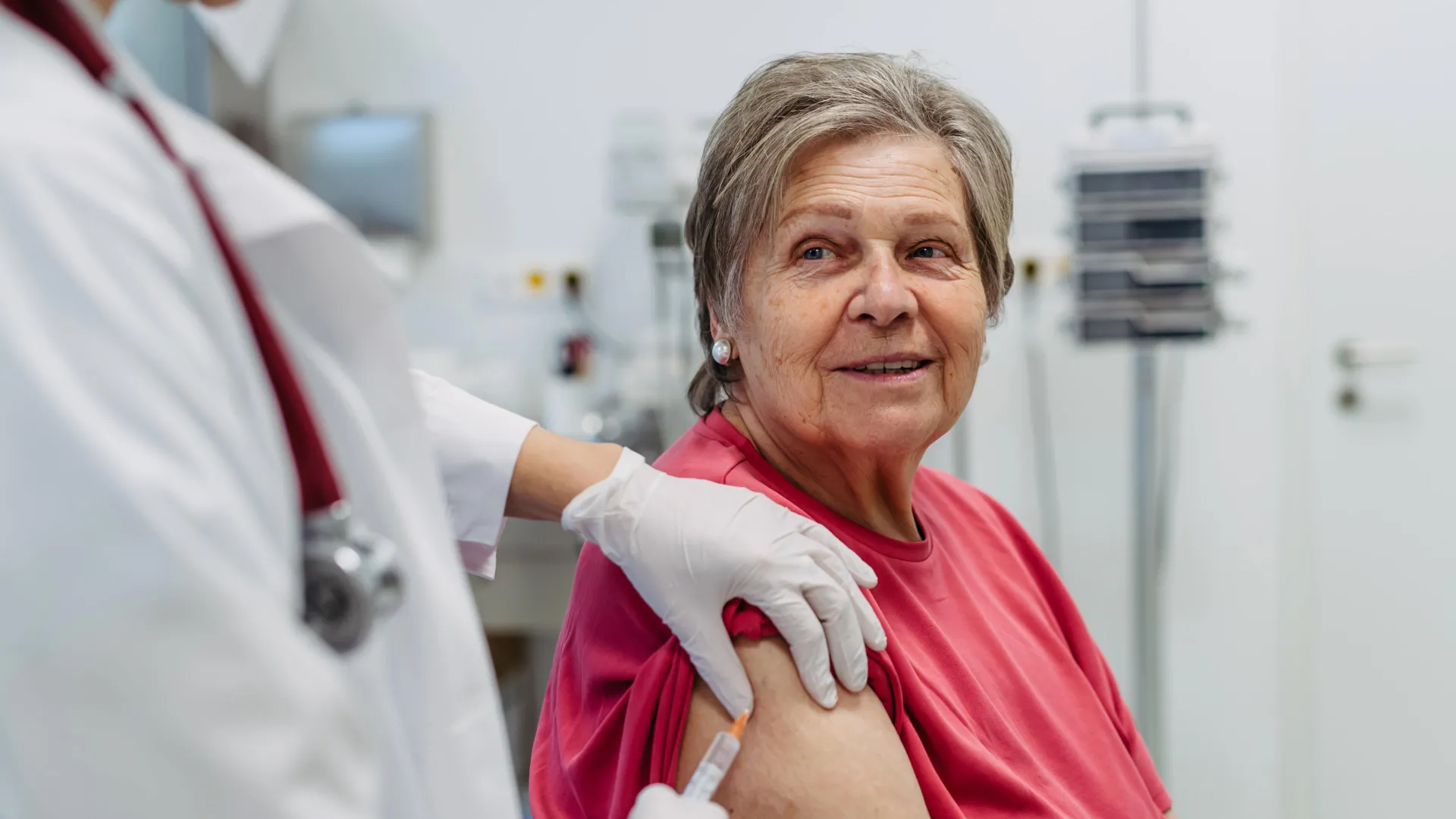
New findings emerging from the USC Leonard Davis School of Gerontology suggest that the preventative measure against shingles might extend its beneficial effects beyond merely averting a distressing cutaneous eruption, potentially correlating with a deceleration of biological aging processes among senior populations. This research, which delved into a substantial dataset drawn from the nationally representative U.S. Health and Retirement Study, meticulously examined the health trajectories of over 3,800 individuals aged 70 and above as of 2016. After rigorously controlling for pre-existing health conditions and various demographic variables, the analysis revealed a notable association: participants who had undergone shingles vaccination exhibited a demonstrably slower rate of overall biological aging when contrasted with their unvaccinated counterparts.
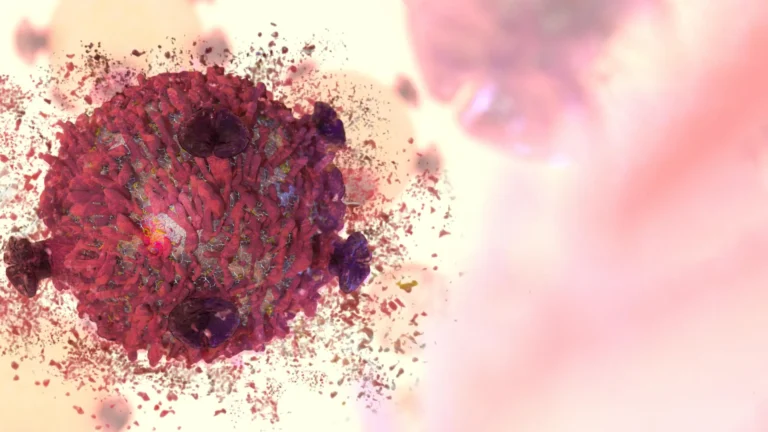
Shingles, medically identified as herpes zoster, manifests as a profoundly uncomfortable blistering rash, a consequence of the varicella-zoster virus—the same pathogen responsible for chickenpox—reawakening within the body years after the initial infection. The virus lies dormant in nerve tissue following a chickenpox episode, and its reactivation can trigger shingles. While it is not exclusively an affliction of advanced age, the propensity for developing shingles escalates significantly after the fifth decade of life, and individuals with compromised immune systems face a heightened susceptibility. Consequently, vaccination, a practice widely endorsed for older adults, serves a dual purpose: it substantially diminishes the probability of contracting shingles and concurrently mitigates the risk of postherpetic neuralgia, a persistent and debilitating nerve pain that can linger long after the characteristic rash has subsided.
Beyond their primary function of warding off infectious diseases, vaccines are increasingly recognized for their potential to confer broader health advantages. Jung Ki Kim, an Associate Professor of Gerontology and the study’s lead author, highlighted that prior investigations have already established correlations between adult vaccinations, encompassing both shingles and influenza inoculations, and a reduced incidence of dementia and other neurodegenerative disorders. This current research, therefore, contributes to a growing body of evidence indicating that vaccines may play a pivotal role in fostering healthier aging by influencing biological systems in ways that transcend mere infection prevention.
Understanding biological aging is crucial to appreciating these findings, as it diverges significantly from chronological age, which simply denotes the passage of years. Biological aging pertains to the functional status of an individual’s bodily systems, reflecting their physiological wear and tear. Consequently, two individuals of the same chronological age, say 65, can possess vastly different biological profiles. One might exhibit physiological characteristics indicative of a much younger individual, while the other might display markers of accelerated aging.
To elucidate these disparities, Kim, in collaboration with Eileen Crimmins, a distinguished USC University Professor and the AARP Professor of Gerontology, undertook an evaluation of seven specific biomarkers associated with biological aging. These included measures of inflammation, epigenetic alterations, transcriptomic profiles, metabolic markers, immune function indicators, and physical frailty assessments, all of which were synthesized into a comprehensive score representing an individual’s overall biological age.
The results of this detailed analysis indicated that, on average, individuals who had received the shingles vaccine demonstrated lower levels of systemic inflammation, exhibited slower rates of epigenetic and transcriptomic aging, and achieved superior overall biological aging scores when compared to their unvaccinated peers. These observations provide critical insights into the intricate relationship between immune health and the aging process.
Chronic, low-grade inflammation, often referred to as "inflammaging," is a well-established contributor to a spectrum of age-related ailments, including cardiovascular disease, progressive physical weakness (frailty), and cognitive deterioration. Kim explained that by potentially suppressing the reactivation of the varicella-zoster virus, the shingles vaccine may contribute to a reduction in this pervasive background inflammation, thereby supporting a healthier aging trajectory. While the precise molecular pathways remain an active area of investigation, the vaccine’s apparent capacity to dampen inflammation positions it as a promising adjunct to broader public health strategies aimed at enhancing resilience and mitigating the effects of age-related decline.
Furthermore, the research explored the duration of these potential benefits by examining the time elapsed since participants received their vaccination. The findings revealed that even individuals vaccinated four or more years prior to providing biological samples continued to exhibit slower epigenetic and transcriptomic aging, as well as better overall biological aging scores, relative to unvaccinated individuals. This sustained effect suggests that the positive impact of the shingles vaccine on biological aging processes may endure for several years.
Crimmins emphasized that these findings underscore the vaccine’s influence on key aspects of the aging continuum. While acknowledging the necessity for further research to corroborate and expand upon these discoveries, particularly through longitudinal studies and experimental designs, she noted that this investigation adds significant weight to the emerging understanding that vaccines may play a multifaceted role in promoting healthy aging, extending beyond their established efficacy in preventing acute infectious illnesses.
The comprehensive study, titled "Association between shingles vaccination and slower biological aging: Evidence from a U.S. population-based cohort study," was formally published in the esteemed Journals of Gerontology, Series A: Biological Sciences and Medical Sciences on January 20, 2026. This significant research endeavor received crucial financial support from the National Institute on Aging, part of the National Institutes of Health, through grant P30 AG017265. The foundational U.S. Health and Retirement Study itself is also supported by the National Institute on Aging under grant U01AG009740, underscoring the collaborative and sustained effort behind such impactful public health research.
About the Author