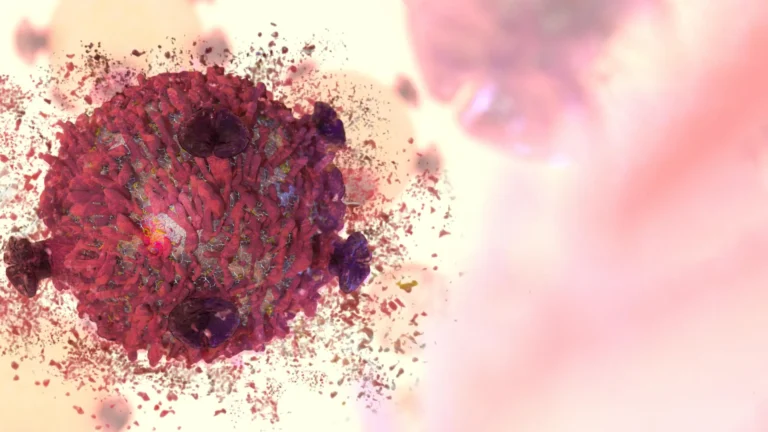
A groundbreaking investigation has unveiled a critical link between the accumulation of senescent, or "aging," cells in the brain and the persistent challenges posed by temporal lobe epilepsy (TLE). Researchers at Georgetown University Medical Center have demonstrated that by selectively removing these dysfunctional cells in preclinical models, it is possible to significantly diminish the frequency of epileptic seizures, enhance cognitive functions such as memory, and even confer protection against the development of the condition in a subset of subjects. This innovative approach, utilizing both genetic interventions and specific drug combinations, represents a potential paradigm shift in treating a prevalent and often intractable neurological disorder.
Published on December 22 in the esteemed journal Annals of Neurology, this National Institutes of Health (NIH)-funded study sheds new light on the underlying biological mechanisms of TLE, which is characterized by recurrent seizures originating in the temporal lobes of the brain. Beyond the immediate impact of seizures, individuals living with TLE frequently grapple with debilitating cognitive impairments, including difficulties with memory, attention, and executive function, profoundly affecting their quality of life. The discovery that cellular senescence plays a pivotal role in this pathology opens an entirely new therapeutic avenue, distinct from conventional anticonvulsant medications.
Dr. Patrick A. Forcelli, the senior author of the study and a distinguished professor and chair of Georgetown School of Medicine’s Department of Pharmacology & Physiology, underscored the pressing need for novel treatments. "A significant proportion—one-third—of individuals afflicted with epilepsy do not achieve complete freedom from seizures despite receiving current pharmacological interventions," Dr. Forcelli stated. He elaborated on the promise of "senotherapy," a therapeutic strategy centered on eliminating senescent cells using targeted medications. Dr. Forcelli articulated his team’s aspiration that this innovative approach could potentially reduce the necessity for invasive surgical procedures, which are often a last resort for drug-resistant epilepsy, or substantially improve patient outcomes following such surgeries.
Temporal lobe epilepsy stands as the most common form of epilepsy that exhibits resistance to pharmaceutical treatment, affecting approximately 40% of all epilepsy patients. Its origins are diverse, stemming from a range of neurological insults. These can include traumatic brain injuries, cerebrovascular events like strokes, various infections such as meningitis or encephalitis, the presence of brain tumors, congenital or acquired abnormalities in cerebral blood vessels, and certain inherited genetic predispositions. Regardless of the initial trigger, the disease pathway often converges on chronic neuronal hyperexcitability and dysfunction within the temporal lobes, leading to the characteristic seizure activity and associated cognitive decline.
To delve into the intricate biology underpinning TLE, the research team meticulously analyzed human brain tissue samples. These samples were obtained from the temporal lobes of epilepsy patients undergoing surgical intervention for their condition. A comparative analysis was performed against post-mortem brain tissue from individuals without epilepsy. The findings were striking: the tissue from TLE patients exhibited an astonishing five-fold elevation in the concentration of senescent glial cells. Glial cells are a diverse population of non-neuronal cells in the central nervous system that play crucial supportive roles, including maintaining the neuronal environment, supplying nutrients, clearing waste products, and modulating synaptic activity, without directly generating electrical impulses themselves. The discovery of such a dramatic increase in aged glial cells in epileptic brains strongly implicated their involvement in the disease’s progression.
Building upon these compelling human tissue observations, the scientists then transitioned their investigation to a preclinical mouse model specifically engineered to recapitulate the pathological features of TLE. Within a mere two weeks following the brain injury that served as the trigger for epilepsy development in these animals, the researchers identified clear and measurable increases in molecular markers indicative of cellular aging. These markers were detectable at both the gene expression level and the protein level, confirming that the process of senescence was rapidly initiated in response to the neurological insult. This early onset of cellular aging suggested it might not merely be a consequence of long-standing epilepsy but could actively contribute to its initiation and perpetuation.
When therapeutic interventions were applied to these mouse models to selectively eliminate the identified senescent cells, the observed effects were remarkably profound. The targeted treatments successfully reduced the burden of senescent cells by approximately 50%. This cellular "cleanup" translated into significant functional improvements. The treated mice demonstrated normal performance in maze-based memory tests, indicating a restoration of cognitive function to levels comparable to healthy controls. Furthermore, they experienced a notable reduction in seizure frequency. Perhaps most impressively, about one-third of the treated animals were completely protected from ever developing epilepsy, suggesting a potential for preventative strategies if interventions are applied at critical time points.
The pharmacological strategy employed in the mouse experiments involved a synergistic combination of two existing compounds: dasatinib and quercetin. Dasatinib is an established targeted therapy currently approved by the U.S. Food and Drug Administration (FDA) for treating certain forms of leukemia. Its mechanism of action involves inhibiting specific tyrosine kinases that are implicated in cell growth and survival. Quercetin, on the other hand, is a naturally occurring plant flavonoid widely found in various fruits, vegetables, tea, and red wine. It is renowned for its potent antioxidant and anti-inflammatory properties. This specific drug pairing has been extensively evaluated in numerous animal studies as an effective senolytic agent, meaning it selectively induces apoptosis (programmed cell death) in senescent cells across a spectrum of disease models.
The strategic decision to utilize dasatinib and quercetin was partly driven by their existing clinical profiles. Both agents are already undergoing evaluation in early-phase clinical trials for other medical conditions, a factor that significantly streamlines the potential translation to human epilepsy trials. Dr. Forcelli highlighted the particular advantage of dasatinib’s FDA approval for leukemia, which signifies a well-established safety profile in human patients. This crucial aspect could substantially accelerate the timeline for initiating clinical testing in individuals afflicted with epilepsy, circumventing many of the lengthy and costly safety trials typically required for novel drug compounds. The repurposing of drugs with known pharmacokinetics and safety data is a highly attractive approach in pharmaceutical development, offering a faster and more efficient pathway to bring new therapies to patients.
Beyond the immediate implications for epilepsy, the study’s findings resonate with broader themes in neurobiology and aging research. Tahiyana Khan, Ph.D., and David J. McFall, both pivotal first co-authors and trainees in Dr. Forcelli’s laboratory, underscored that the senescence of glial cells has recently emerged as a significant factor in both the normal processes of brain aging and the pathogenesis of various neurodegenerative conditions, including Alzheimer’s disease. This intriguing connection forms a key focus of their ongoing research, suggesting that targeting senescent cells could have far-reaching therapeutic potential across a spectrum of age-related neurological disorders. The concept of "inflammaging," a chronic low-grade inflammatory state associated with aging, is often driven by senescent cells that secrete pro-inflammatory molecules, further linking these findings to widespread age-related pathologies.
Looking ahead, Dr. Forcelli outlined the next phases of their ambitious research program. "We are currently engaged in studies investigating additional repurposed drugs capable of influencing cellular senescence, as well as exploring their efficacy in other rodent models of epilepsy," he remarked. A critical objective of these future endeavors is to precisely delineate the "critical windows" for therapeutic intervention in epilepsy – determining whether senolytic treatments are most effective as preventative measures early after an initial brain injury, or as ongoing therapies for established disease. The overarching aspiration remains clear: to translate these promising preclinical discoveries into clinically useful treatments that can alleviate the burden of epilepsy for millions worldwide.
The collaborative nature of this significant scientific undertaking is reflected in the extensive list of authors from Georgetown, which includes Abbas I. Hussain, Logan A. Frayser, Timothy P. Casilli, Meaghan C. Steck, Irene Sanchez-Brualla, Ph.D., Noah M. Kuehn, Michelle Cho, Jacqueline A. Barnes, M.D., Brent T. Harris, M.D., Ph.D., and Stefano Vicini, Ph.D., in addition to Dr. Forcelli, Dr. Khan, and Mr. McFall. The authors collectively affirmed that they possess no personal financial interests directly related to the study, upholding the principles of scientific integrity. This vital research received substantial financial backing through multiple grants from the National Institutes of Health (R21NS125552, F99NS129108, T32NS041218, T32GM142520, F30NS143374-01, T32GM144880, and T3GM142520), underscoring its national importance and rigorous peer review. Dr. Forcelli also benefits from the sustained support provided by the Jerome H. Fleisch & Marlene L. Cohen Endowed Professorship in Pharmacology, enabling his continued leadership in this innovative field.
About the Author