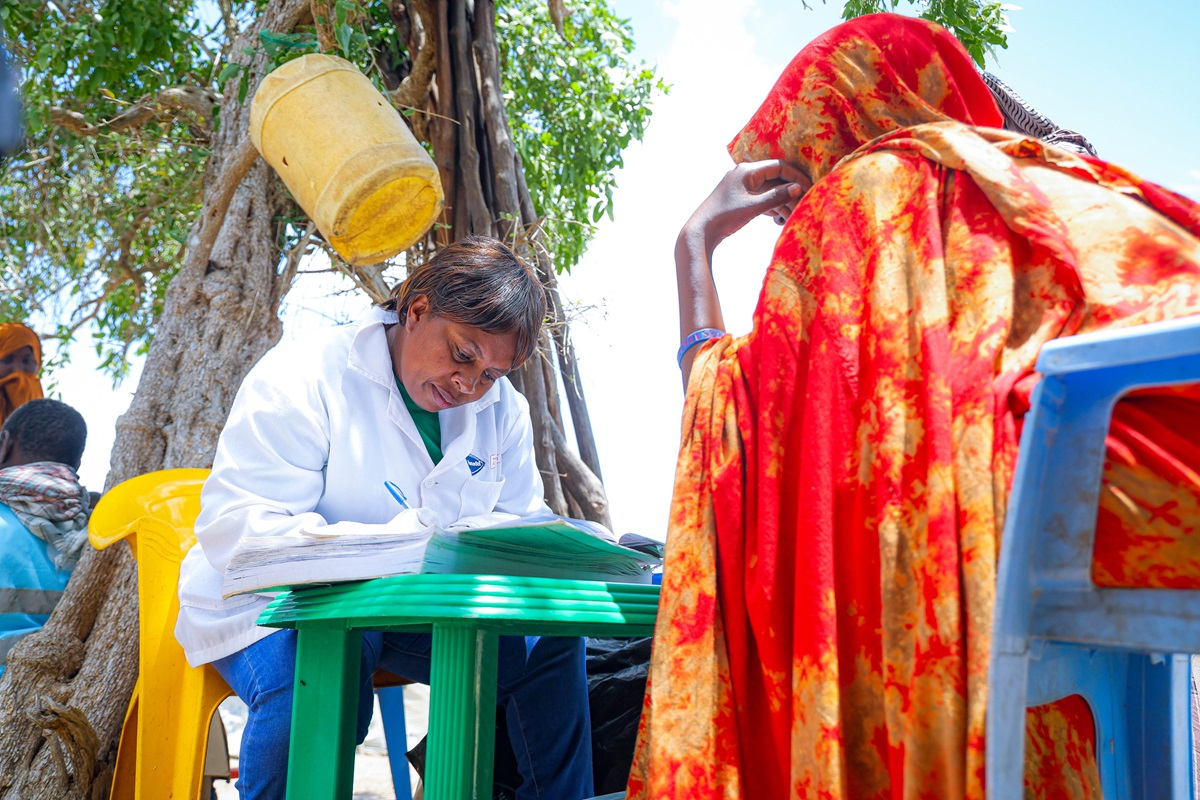
An estimated 4.5 million young girls are projected to face the severe and irreversible consequences of female genital mutilation (FGM) in the year 2026 alone, with many among them being under the age of five. This alarming statistic underscores a persistent global challenge, even as concerted efforts over decades have yielded significant, albeit fragile, progress. Currently, the enduring physical and psychological scars of this practice affect more than 230 million women and girls worldwide, a testament to its pervasive impact across numerous communities. As the international community observes the International Day of Zero Tolerance for Female Genital Mutilation, a unified plea emerges from leading global organizations, urging renewed commitment and substantial investment to eradicate this profound human rights violation.
Female genital mutilation transcends mere physical harm; it constitutes a grave infringement on the fundamental rights of girls and women, encompassing their rights to health, bodily integrity, freedom from violence, and non-discrimination. The practice, devoid of any health benefits and often rooted in complex socio-cultural traditions, carries no justifiable grounds. Its profound and lifelong repercussions extend far beyond the immediate trauma of the procedure, permeating physical and mental well-being for decades. Victims frequently endure chronic pain, recurrent infections, obstetric complications that endanger both mother and child, and severe psychological distress including anxiety, depression, and post-traumatic stress disorder. The economic burden associated with treating these extensive health issues is staggering, with global healthcare costs for managing FGM-related complications estimated to reach approximately $1.4 billion each year, diverting critical resources from other essential health services.
Despite the deep-seated nature of this practice, the past three decades have witnessed an evolving landscape of intervention and advocacy, demonstrating a tangible impact. Campaigns focused on its elimination have fostered a growing consensus against FGM; in regions where it is most prevalent, nearly two-thirds of the population now expresses support for its cessation. This shift in public opinion reflects the efficacy of sustained outreach and educational initiatives. Notably, the momentum against FGM has accelerated significantly over the last ten years, accounting for half of all progress achieved since 1990. This decade saw a crucial reduction in the proportion of girls subjected to the practice, shifting from one in two to one in three. This acceleration provides a powerful testament to the potential for transformative change, yet it also highlights the urgent need to maintain and amplify these efforts to meet the ambitious Sustainable Development Goal (SDG) target of eliminating female genital mutilation by 2030.
Understanding and implementing effective strategies are paramount to achieving this goal. Evidence-based approaches have consistently demonstrated success in shifting norms and behaviors. Central to these strategies is comprehensive health education, which empowers communities with accurate information about the severe health risks associated with FGM and dispels myths or misconceptions that perpetuate the practice. Engaging influential community and religious leaders has proven critical, as their endorsements can profoundly sway public opinion and challenge deeply ingrained traditions. Similarly, involving parents, health workers, and educators in dialogue and awareness campaigns helps to create a protective environment for girls. The strategic use of traditional and social media platforms further amplifies prevention messages, reaching broader audiences and fostering open conversations that can dismantle the silence surrounding FGM.
Beyond awareness, active community mobilization is indispensable. Investing in grassroots movements, including local networks and youth organizations, fosters local ownership and tailored solutions that resonate within specific cultural contexts. Strengthening both formal education systems and community-based learning initiatives is vital, as education equips girls and boys with knowledge and critical thinking skills, challenging harmful norms from an early age. Trusted opinion leaders, particularly health professionals, play a pivotal role in delivering credible prevention messages, leveraging their authority and rapport within communities. Furthermore, comprehensive support systems for survivors are non-negotiable. This includes ensuring access to context-tailored healthcare, encompassing physical and mental health services, alongside robust psychosocial support and legal assistance to help them navigate the aftermath of FGM and seek justice.
The economic case for investing in FGM prevention is compelling. Research indicates that every dollar allocated towards ending female genital mutilation yields a tenfold return on investment. This translates into a remarkable potential: an investment of approximately $2.8 billion could prevent an estimated 20 million cases of FGM, thereby generating an astounding $28 billion in social and economic benefits. These returns stem from reduced healthcare costs, increased productivity, and enhanced human capital development, underscoring that preventing FGM is not only a moral imperative but also a sound economic decision that contributes to broader societal prosperity.
However, the gains painstakingly achieved over decades now face significant jeopardy. As the 2030 deadline for the SDGs draws closer, there is a worrying trend of waning global investment and support for FGM elimination programs. Funding cuts and a decline in international support for essential health, education, and child protection initiatives are already hindering ongoing efforts to prevent FGM and provide crucial services to survivors. This financial instability threatens to unravel years of progress, potentially reversing the positive trajectory witnessed in recent times.
Compounding this challenge is a discernible systematic pushback against efforts to end FGM. This opposition often manifests through dangerous arguments attempting to legitimize the practice, particularly when it is performed by medical professionals or in healthcare settings. This "medicalization" of FGM, far from making it safer, lends a veneer of acceptability to an inherently harmful procedure, undermining global abolition efforts and obscuring its profound human rights implications. Such arguments create additional hurdles for elimination initiatives, making it more difficult to advocate for complete cessation.
Without adequate, predictable, and sustained financing, the critical infrastructure supporting FGM prevention is at risk. Community outreach programs, which are often the backbone of local engagement and behavior change, face scaling back or complete cessation. Frontline services designed to protect girls and support survivors could be weakened or dismantled, leaving millions more vulnerable at a pivotal moment in the global push towards the 2030 target. The potential for a reversal of progress is a grim prospect, threatening to condemn countless future generations to a preventable cycle of suffering and rights violations.
In response to this critical juncture, global organizations, including the United Nations Population Fund (UNFPA), UNICEF, the UN Human Rights Office (OHCHR), UN Women, the World Health Organization (WHO), and UNESCO, are reaffirming their collective commitment. This renewed pledge emphasizes intensified collaboration with a diverse array of local and global public and private partners, crucially including survivors themselves. Their voices and experiences are central to informing effective strategies and ensuring that prevention and support services are truly responsive to the needs of affected communities. The objective remains clear: to forge an unyielding global alliance dedicated to ending female genital mutilation definitively, securing a future where every girl is free from this egregious violation and can realize her full potential.
About the Author