A groundbreaking perspective piece published in the esteemed journal Nature Nanotechnology unveils a sophisticated nanoparticle-driven methodology poised to revolutionize the body’s capacity to eliminate aberrant proteins implicated in a spectrum of severe ailments. This pioneering development holds immense promise for tackling previously intractable "undruggable" molecular targets, thereby unlocking novel therapeutic avenues for conditions as debilitating as neurodegenerative diseases and aggressive brain malignancies.
The intellectual genesis of this transformative research stems from the collaborative efforts of distinguished scientists: Professor Bingyang Shi, a leading figure in Nanomedicine at the University of Technology Sydney (UTS), alongside Professor Kam Leong from Columbia University and Professor Meng Zheng affiliated with Henan University. Their collective expertise has culminated in a paradigm shift in how we conceptualize and combat disease at its fundamental protein level.
Proteins, the indispensable workhorses of biological systems, orchestrate virtually every cellular function, from intricate signaling pathways to structural integrity. However, their critical role also renders them susceptible to dysfunction. When proteins undergo detrimental alterations – such as acquiring incorrect three-dimensional structures (misfolding), accumulating in excessive quantities (overproduction), or congregating in inappropriate cellular locations – they can severely disrupt normal cellular operations, ultimately precipitating the onset of various diseases. Professor Shi elucidates this fundamental principle, highlighting that a significant proportion of human ailments, encompassing diverse forms of cancer, the insidious progression of dementia, and complex autoimmune disorders, are intrinsically linked to the presence and aberrant behavior of malfunctioning proteins. Crucially, the unique molecular architecture or dynamic properties of many of these disease-driving proteins render them exceptionally resistant to conventional pharmacological interventions.
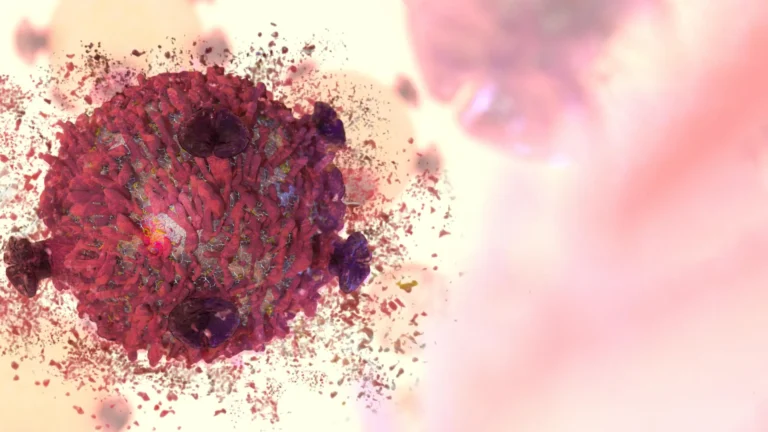
In direct response to this pervasive challenge, the research consortium has engineered an entirely novel class of sophisticated nanoconstructs, designated as nanoparticle-mediated targeting chimeras, or NPTACs. These meticulously crafted microscopic entities possess the remarkable ability to be precisely programmed to seek out and bind to specific proteins that are instrumental in disease pathogenesis. Upon achieving this targeted engagement, the NPTACs then initiate the process of dismantling these harmful protein molecules.
The aforementioned Nature Nanotechnology publication serves as a comprehensive exploration of the intricate mechanisms underpinning this innovative technology and delineates its extensive potential applications. While the initial foundational discovery that paved the way for NPTACs was first formally documented in Nature Nanotechnology in October 2024, this latest perspective offers a broader strategic overview and forward-looking outlook. Professor Shi eloquently describes the core innovation: "We have developed an efficient and flexible method to guide disease-causing proteins, whether inside or outside the cell, into the body’s natural recycling system, where they can be broken down and removed." This ingenious approach leverages the cell’s intrinsic quality control and waste disposal machinery, redirecting problematic proteins for degradation.
The field of targeted protein degradation represents one of the most dynamic and rapidly expanding frontiers within biotechnology, attracting substantial investment and fostering robust commercial interest. Prominent industry players, such as Arvinas, have secured substantial funding exceeding $1 billion USD and forged significant strategic alliances with major pharmaceutical giants, including Pfizer, Bayer, and Roche, underscoring the immense potential of this therapeutic modality.
Notwithstanding this considerable momentum, existing protein degradation platforms frequently encounter significant hurdles that impede their widespread clinical translation. These limitations include restricted penetration into specific tissues, particularly the brain, the potential for unintended interactions with and degradation of essential healthy proteins, and complex, resource-intensive manufacturing processes. Such challenges have demonstrably slowed progress in developing effective treatments for complex neurological disorders and solid tumor cancers, where precise targeting and delivery are paramount.
The NPTAC strategy, as articulated by Professor Shi, directly addresses and effectively circumvents these critical bottlenecks. The research team has identified and elucidated several pivotal advantages inherent to the NPTAC platform. These include enhanced cellular uptake, allowing for more efficient delivery of the therapeutic payload; improved targeting specificity, minimizing off-target effects; and a simplified, scalable manufacturing process, which is crucial for clinical development and eventual commercialization. Furthermore, the modular design of NPTACs offers exceptional versatility, enabling their adaptation to a wide array of protein targets and disease contexts.
Preclinical investigations, bolstered by a portfolio of international patents, have already yielded highly encouraging results against formidable disease targets. Notably, NPTACs have demonstrated significant efficacy in preclinical models targeting EGFR (Epidermal Growth Factor Receptor), a protein frequently implicated in the uncontrolled proliferation of tumor cells, and PD-L1 (Programmed Death-Ligand 1), a protein that cancer cells often exploit to evade detection and destruction by the immune system.
This remarkable progress is not merely incremental; it represents a fundamental shift in how we approach therapeutic interventions. "This progress paves the way for applications in oncology, neurology and immunology," Professor Shi asserts, emphasizing the broad applicability of the technology. He further elaborates on the conceptual leap: "It changes how we think about nanoparticles – not only as delivery tools but also as active therapeutic agents." This reframing highlights the active role NPTACs play in directly modulating disease processes, moving beyond their traditional function as mere carriers.
The economic projections for the targeted protein degradation market are exceptionally robust, with forecasts indicating it will surpass $10 billion USD by 2030. Within this burgeoning market, NPTACs are positioned as a powerful, next-generation platform capable of enabling the development of highly intelligent and precisely targeted therapies. The researchers are actively pursuing strategic partnerships with industry leaders to expedite the transition of NPTACs from preclinical research to comprehensive clinical trials, to explore licensing opportunities across diverse therapeutic domains, and to meticulously prepare for the rigorous regulatory approval processes that govern new medicines. This proactive approach signals a strong commitment to translating scientific innovation into tangible patient benefits.
About the Author