
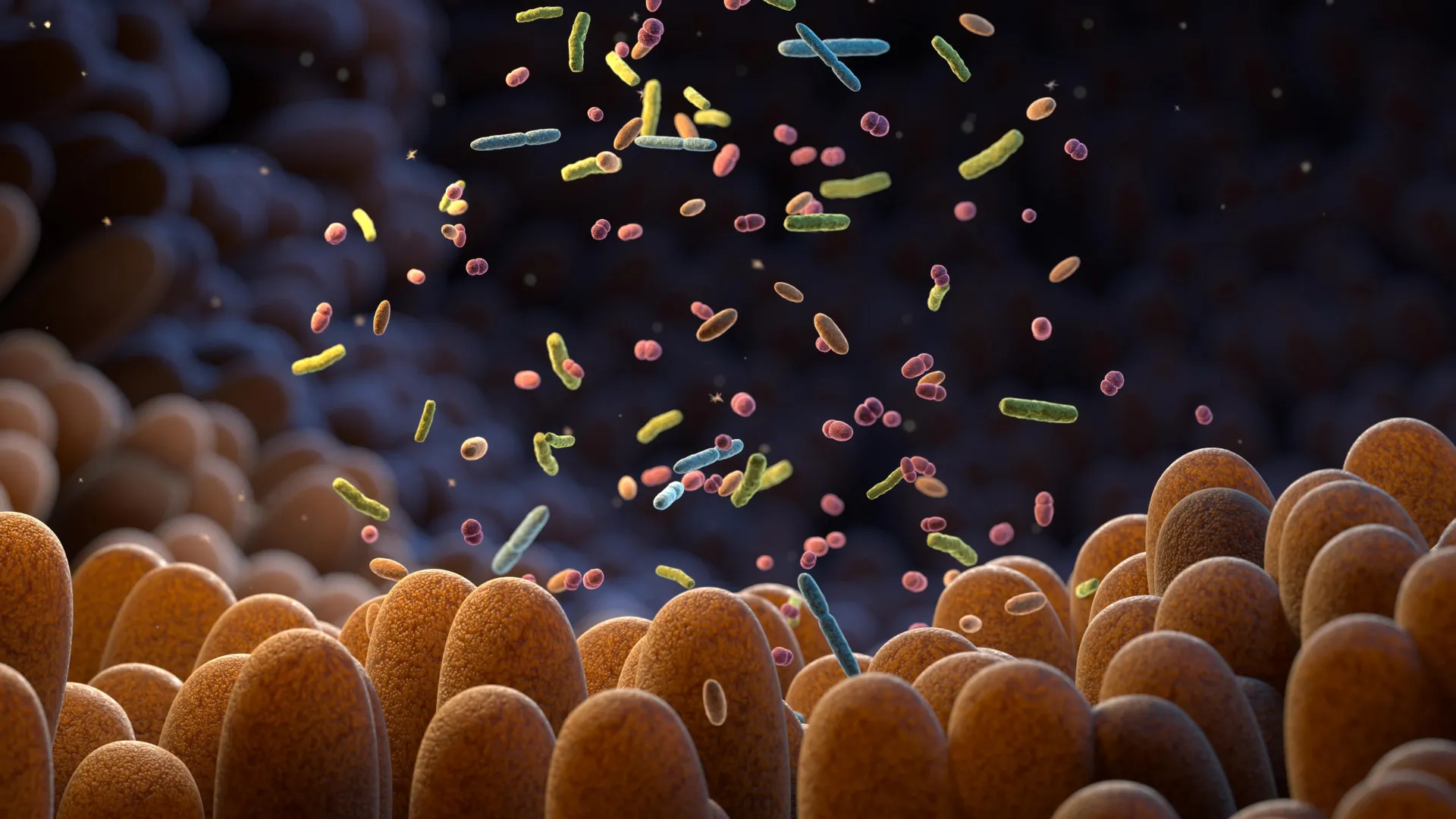
In a groundbreaking development that promises to reshape the landscape of anti-aging research, scientists have unveiled a novel methodology to encourage the resident bacteria within an animal’s digestive tract to synthesize compounds directly linked to extended lifespan. This innovative approach pivots away from traditional drug design that targets host cells, instead focusing on manipulating the intricate microbial ecosystem of the gut to foster health-promoting biochemicals from within. The implications of this discovery are profound, potentially ushering in a new era of therapeutic interventions that leverage the body’s own microbial inhabitants for preventive and regenerative medicine, particularly in the realm of healthy aging.
The human body is home to trillions of microorganisms, collectively known as the microbiome, with the gut microbiome being the most extensively studied. This vast and diverse community of bacteria, archaea, fungi, and viruses plays a pivotal role in numerous physiological processes, ranging from nutrient metabolism and vitamin synthesis to immune system development and protection against pathogens. An optimal balance within this microbial community, often referred to as eubiosis, is increasingly recognized as fundamental for overall well-being. Conversely, disruptions to this delicate equilibrium, known as dysbiosis, have been implicated in a wide array of chronic diseases, including inflammatory bowel disease, obesity, type 2 diabetes, cardiovascular conditions, and neurodegenerative disorders, many of which are exacerbated by or inextricably linked to the aging process.
Understanding the complex interplay between the gut microbiome and host longevity has become a focal point for researchers worldwide. Spearheading this particular investigation was Dr. Meng Wang, a distinguished Senior Group Leader at the Janelia Research Campus, whose laboratory is dedicated to unraveling the biological mechanisms underpinning aging. Dr. Wang’s team recognized a critical challenge in the field of geroscience: translating fundamental discoveries about longevity-promoting molecules into practical, scalable, and safe therapeutic strategies. Their ambition was to devise an intervention that could harness the body’s existing biological machinery, specifically the gut microbiota, to produce beneficial substances, thereby sidestepping the complexities and potential side effects associated with introducing exogenous compounds or directly modifying host physiology.
The research team concentrated their efforts on colanic acid, a fascinating compound naturally secreted by certain gut bacteria. Colanic acid is an exopolysaccharide, a complex carbohydrate polymer that forms part of the extracellular matrix of bacterial biofilms. Previous studies conducted by Dr. Wang’s group and others had already established a compelling link between colanic acid and enhanced longevity in various model organisms. Specifically, increasing the levels of this bacterial product was observed to significantly extend the lifespan of both Caenorhabditis elegans, a microscopic roundworm widely used in aging research due to its short lifespan and genetic tractability, and Drosophila melanogaster, the common fruit fly. These earlier findings provided a strong rationale for exploring colanic acid as a key target for microbial-based longevity interventions. The hypothesis was that if bacteria could be persuaded to produce more of this compound, the host might reap its anti-aging benefits.
The truly innovative aspect of this research lies in the method employed to stimulate colanic acid production. Rather than genetic engineering the bacteria or introducing specialized probiotics, the scientists turned to an unexpected tool: an antibiotic. In their sophisticated experimental setup, Dr. Wang’s team discovered that exposing gut bacteria to low, sub-inhibitory doses of the antibiotic cephaloridine dramatically increased the bacteria’s synthesis of colanic acids. This finding was counterintuitive, as antibiotics are typically designed to kill or inhibit bacterial growth. However, in this context, cephaloridine was repurposed not as an antimicrobial agent, but as a subtle modulator of bacterial gene expression, effectively "coaxing" the microbes into a specific metabolic pathway beneficial to the host.
To validate their initial in vitro observations, the researchers conducted a series of in vivo experiments. First, they administered low doses of cephaloridine to C. elegans roundworms. Consistent with their hypothesis, the treated roundworms exhibited a statistically significant extension of their lifespan compared to control groups. This crucial step provided direct evidence linking the cephaloridine-induced increase in bacterial colanic acid production to improved longevity in a living organism. It strongly suggested a causal relationship between the microbial modification and the host’s aging trajectory.
Building upon the success in the roundworm model, the team scaled up their investigation to a mammalian system, administering low doses of cephaloridine orally to mice. The choice of mice was critical, as their physiological and metabolic systems bear closer resemblance to humans, making the findings more translatable. In these experiments, the orally administered cephaloridine specifically activated the gene pathways within the gut bacteria responsible for the synthesis of colanic acids, confirming that the antibiotic could indeed stimulate the desired microbial response in a complex mammalian gut environment.
The metabolic consequences observed in the mice were particularly striking and highly relevant to age-related health. Male mice treated with cephaloridine demonstrated noticeable improvements in their lipid profiles, including higher levels of high-density lipoprotein (HDL), often referred to as "good cholesterol," and concomitantly lower levels of low-density lipoprotein (LDL), or "bad cholesterol." These shifts are significant because an unfavorable lipid profile is a major risk factor for cardiovascular diseases, which are prevalent in aging populations. In female mice, the intervention led to reduced insulin levels. Elevated insulin levels are often indicative of insulin resistance, a precursor to type 2 diabetes and a metabolic hallmark associated with accelerated aging and various chronic conditions. These sex-specific metabolic improvements underscore the complex and nuanced interactions between the gut microbiome, host metabolism, and the aging process.
A key advantage distinguishing this approach from many existing or proposed therapies is the pharmacokinetic profile of cephaloridine. When administered orally, cephaloridine is notably not absorbed into the bloodstream. This means that the antibiotic remains confined to the gastrointestinal tract, exerting its influence solely on the gut microbiome without systemic distribution throughout the rest of the body. This localized action is a critical safety feature, as it minimizes the risk of systemic toxicity and unwanted side effects that often plague drugs absorbed into the general circulation. The ability to precisely target the gut microbiome while sparing other organs offers an unprecedented level of specificity and control, making it a highly attractive strategy for future drug development.
The researchers assert that these compelling results highlight a highly promising strategy for promoting healthy aging and potentially extending lifespan by utilizing pharmaceutical agents that act primarily on gut bacteria rather than directly on human cells. This paradigm shift could fundamentally alter how future medicines are conceptualized and designed. Instead of focusing on compounds that directly modulate host physiological pathways, the emphasis could shift towards developing molecules that gently guide the microbiota to produce a spectrum of health-supporting compounds for their hosts. This opens doors to a new class of "microbiome-modulating drugs" that work indirectly but powerfully by leveraging the vast biosynthetic capabilities of our microbial partners.
While the findings are undoubtedly exciting, the journey from laboratory discovery to clinical application is long and complex. Translating these results from model organisms like roundworms and mice to humans will require extensive further research. The human gut microbiome is vastly more diverse and individualized, meaning that responses to interventions may vary significantly between individuals. Optimizing dosing, delivery methods, and understanding the long-term effects of such interventions in humans will be crucial. Furthermore, the regulatory pathways for microbiome-centric therapies are still evolving, posing additional challenges.
Despite these hurdles, this research represents a significant leap forward in our understanding of how the gut microbiome can be harnessed for therapeutic benefit. It positions the microbiome not merely as a passive participant in digestion, but as an active, tunable "internal pharmacy" capable of producing vital compounds that influence health and longevity. As the field of geroscience continues to advance, integrating insights from the microbiome promises to unlock novel avenues for preventing age-related diseases and fostering a healthier, more vibrant later life, moving beyond simply extending years to enriching the quality of those years. This innovative approach heralds a future where our own microbial allies could become key partners in the quest for enduring health.
About the Author