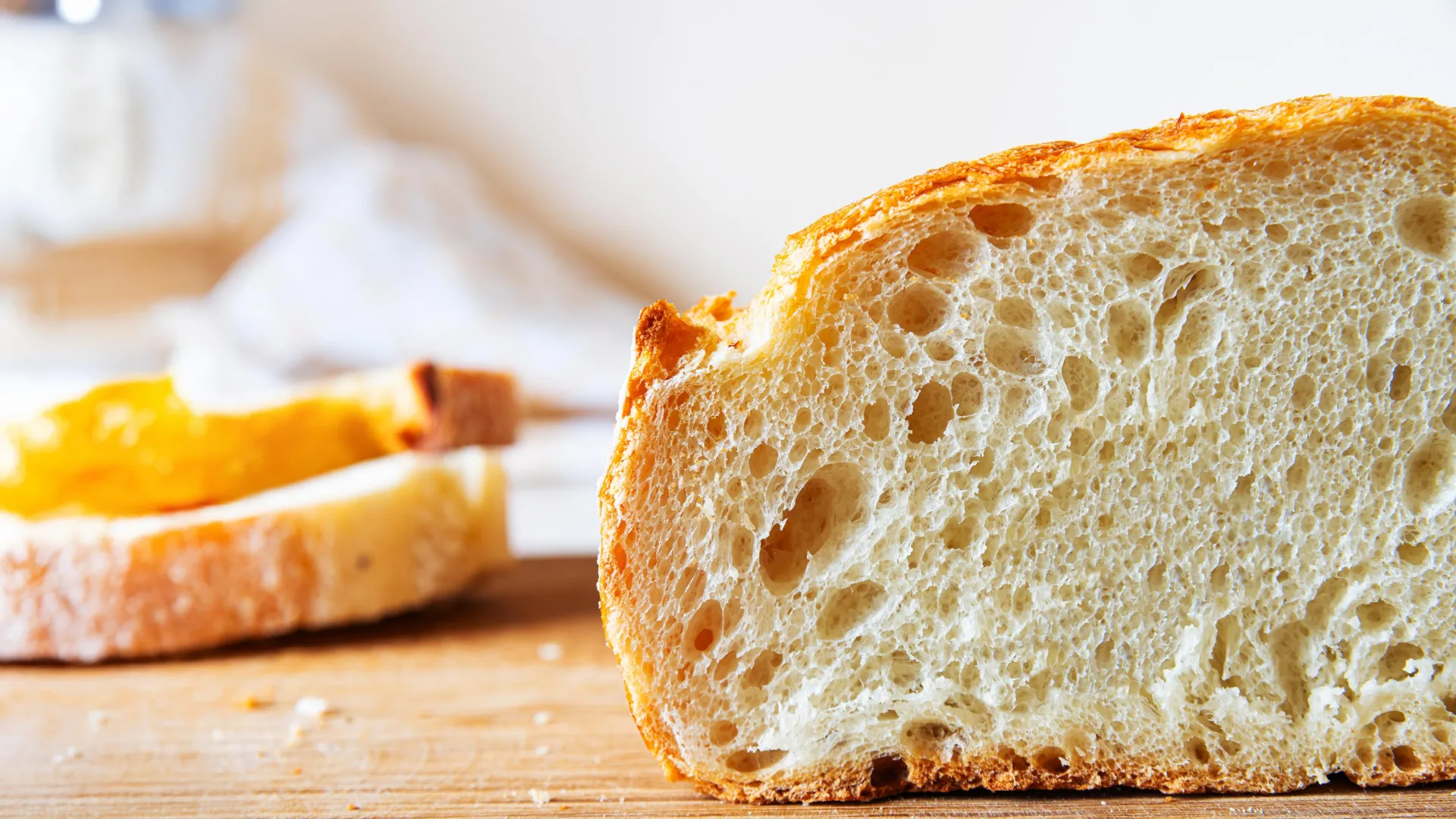
A significant scientific endeavor is uncovering the hidden potential within a common agricultural residue, transforming it into a valuable component for enhancing everyday food staples. Researchers have successfully demonstrated that partially defatted sunflower seed flour (SF), a material typically left over after the extraction of sunflower oil, can be ingeniously integrated into bread formulations to dramatically boost nutritional content and offer a host of health-promoting properties. This innovative approach not only addresses the growing demand for healthier food options but also champions the principles of a circular economy by valorizing industrial by-products.
The core of this pioneering research, detailed in a recent publication in ACS Food Science & Technology, was to systematically investigate the optimal utilization of sunflower seed flour, a substance recognized for its rich protein profile and abundant chlorogenic acid. Leonardo Mendes de Souza Mesquita, a biologist associated with the Institute of Biosciences at the University of São Paulo (IB-USP) in Brazil and the study’s lead author, articulated the team’s objective: to maximize the reuse of this underutilized flour, considering its inherent nutritional advantages.
To rigorously assess the practical application of sunflower seed flour in baking, the research group meticulously developed a series of bread recipes. These recipes involved substituting varying proportions of conventional wheat flour (WF) with sunflower seed flour (SF), with substitution levels ranging from a modest 10% all the way up to 60%. Each experimental bread batch underwent thorough analysis, encompassing its complete chemical composition, the rheological properties of its dough during preparation, and the ultimate physical characteristics of the finished baked product.
Mesquita elaborated on the remarkable nutritional profile of sunflower seed flour, highlighting its substantial protein content, which can range from an impressive 40% to as high as 66%. Beyond protein, the flour is a significant source of dietary fiber, essential minerals like iron and calcium, and notably, high concentrations of chlorogenic acid. This phenolic compound is well-regarded for its potent antioxidant, anti-inflammatory, and blood-sugar-regulating (hypoglycemic) effects. The integration of this readily available by-product into bread manufacturing not only elevates the nutritional value of the final product but also contributes to a more sustainable lifecycle for sunflower oil production by diverting waste from disposal. Furthermore, the economic aspect is compelling, as sunflower seed flour is often available at a low cost, making it an economically attractive ingredient for widespread adoption.
The experimental results unequivocally pointed towards substantial nutritional enhancements in the bread samples incorporating sunflower seed flour. Compared to conventionally produced wheat bread, those enriched with SF exhibited significantly higher levels of both protein and fiber. At the most aggressive substitution rate of 60% SF, the protein content of the bread soared to an exceptional 27.16%, a stark contrast to the 8.27% found in standard wheat bread. This increase in protein was paralleled by a corresponding surge in antioxidant capacity.
The antioxidant activity was quantified using Trolox, a recognized water-soluble analogue of vitamin E, which serves as a benchmark for comparative analysis. The recorded Trolox Equivalent Antioxidant Capacity (TEAC) values in the sunflower flour-enriched breads were demonstrably superior to those observed in bread made exclusively from wheat flour. Mesquita emphasized that these findings strongly corroborate the potential of sunflower seed flour to contribute to health benefits associated with mitigating oxidative stress within the body. Moreover, the research indicated a notable inhibition of key digestive enzymes, specifically α-amylase (with 92.81% inhibition) and pancreatic lipase (with 25.6% inhibition). This suggests that bread incorporating SF or its aqueous extract (SFE) could play a role in moderating the digestion rate of starches and fats, potentially aiding in better glycemic control and nutrient absorption.
A critical aspect of the study also addressed the food safety and processing of the sunflower seed flour. The researchers noted that the industrial method for extracting sunflower oil primarily relies on mechanical pressing techniques, eschewing the use of chemical solvents. This solvent-free processing means that the residual flour is inherently free from potential processing contaminants, aside from any naturally occurring residues from agricultural practices.
While the nutritional advantages were clear and substantial, the researchers did observe some textural and visual modifications in the bread as the proportion of sunflower seed flour increased. When SF constituted 20% or more of the total flour content, the resulting loaves tended to be smaller in size and exhibit a firmer texture. Alterations in the internal crumb structure also contributed to a denser bread with diminished softness.
However, a subsequent phase of the research introduced a promising solution to mitigate these textural drawbacks. The integration of an aqueous extract derived from the sunflower seed flour (termed SFE) proved instrumental in preserving the desirable structure and texture of the bread. According to Mesquita, this SFE addition enabled the bread to retain characteristics much closer to those of traditional wheat bread. This innovative approach offers bakers a pathway to harness the significant nutritional benefits of sunflower flour while minimizing any adverse impacts on the sensory appeal and palatability of the final product.
The process for creating the aqueous extract is relatively straightforward: sunflower seed flour is mixed with water and then filtered, a procedure that does not necessitate any additional chemical or physical treatments. Mesquita proposed that future investigations could explore the possibility of SFE entirely replacing SF in bread recipes, or alternatively, being used in various combinations with SF to achieve different textural and nutritional outcomes. This could pave the way for commercial bakeries to identify optimal formulations that are both nutritionally superior and commercially viable at scale.
This scientific exploration is deeply embedded within a broader movement towards finding constructive applications for industrial waste streams. "Transforming waste into valuable products is a foundational strategy for fostering a circular economy and minimizing resource depletion," Mesquita stated. He underscored how partially defatted sunflower seed flour exemplifies this principle by concurrently supporting human health and delivering environmental and economic advantages, thereby addressing the three fundamental pillars of the circular economy: environmental sustainability, economic viability, and social benefit.
The concept of the circular economy represents a paradigm shift away from the linear model of "take-make-dispose." Instead, it advocates for keeping materials and products in active circulation for extended periods, maximizing their intrinsic value, and facilitating the regeneration of resources at the conclusion of each life cycle. In this specific instance, an overlooked agricultural by-product has been successfully reimagined and engineered into a functional ingredient that not only enriches the nutritional profile of a staple food but also actively contributes to waste reduction efforts.
This groundbreaking research was a collaborative effort involving scientists from multiple esteemed institutions. Key contributions came from the Multidisciplinary Laboratory of Food and Health (LabMAS) at the School of Applied Sciences of the State University of Campinas (FCA-UNICAMP) in Limeira, and the Laboratory of Food Technology and Nutrition at the Federal University of São Paulo (UNIFESP) on its Baixada Santista campus. The study received crucial financial backing from FAPESP, a prominent São Paulo Research Foundation, through a series of six distinct projects. Mesquita later secured further support through a Young Researcher Grant for a project focused on "Sustainable Innovations: The Biorefinery Revolution through the Valorization of Macroalgae Using Renewable Solvents Toward a (Green/Blue) Economy," underscoring his continued commitment to sustainable resource utilization.
About the Author