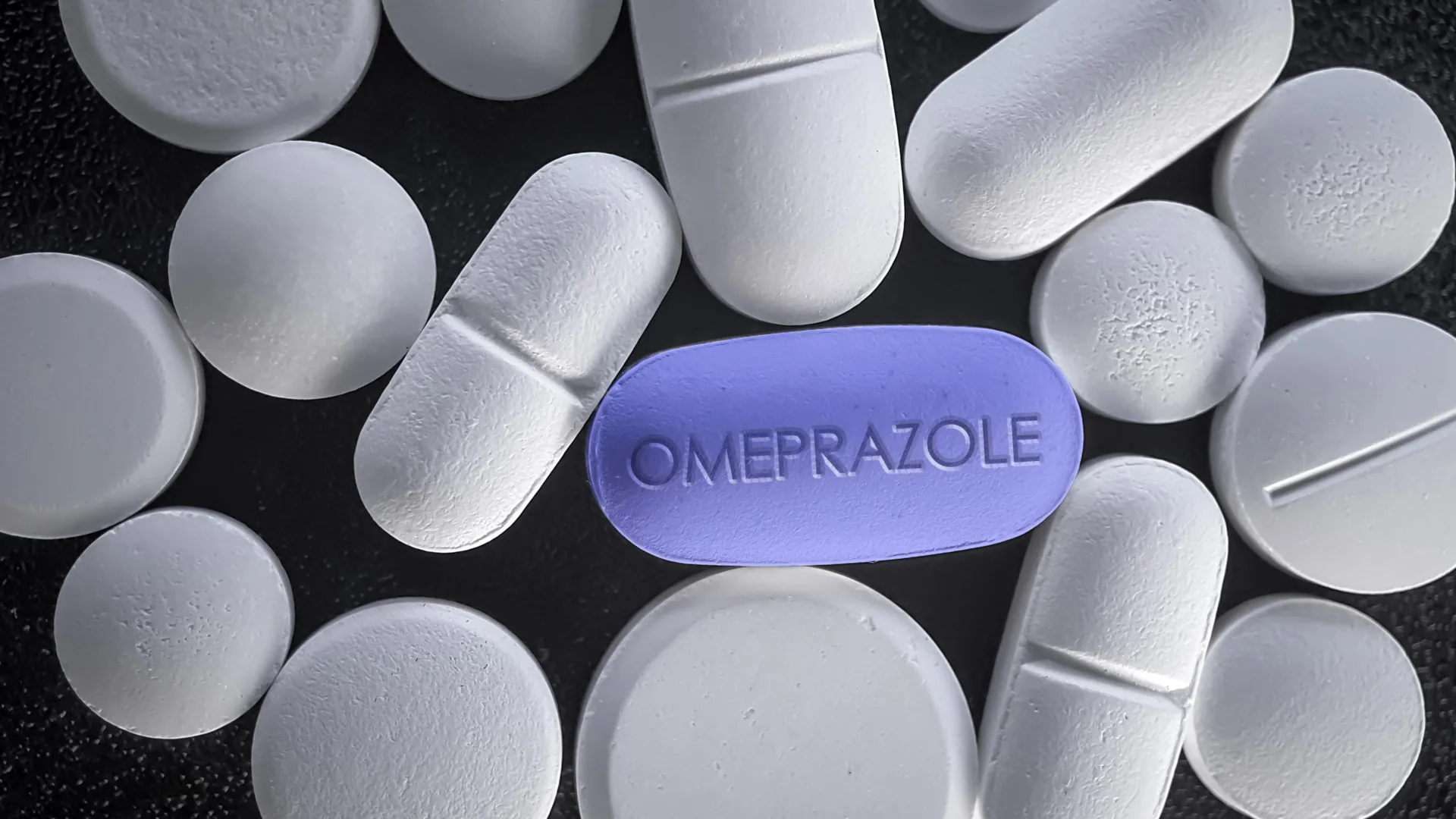
A recent investigation spearheaded by scientists at the Federal University of São Paulo (UNIFESP) and the ABC Medical School (FMABC) in Brazil has unearthed compelling evidence suggesting that prolonged utilization of proton pump inhibitors (PPIs), a widely prescribed class of medications for conditions like acid reflux, gastritis, and peptic ulcers, may disrupt the body’s capacity to absorb vital micronutrients and potentially compromise skeletal integrity. The study, which focused on the widely recognized drug omeprazole (known commercially as Prilosec), examined the intricate biochemical pathways affected by extended PPI use, with findings published in the esteemed scientific journal ACS Omega.
These groundbreaking results emerged from a meticulously designed study involving laboratory rats, funded by the São Paulo Research Foundation (FAPESP). The research team meticulously investigated the influence of sustained omeprazole administration on the assimilation of several crucial minerals: iron, calcium, zinc, magnesium, copper, and potassium. The experimental protocol involved dividing adult rats into two distinct cohorts: a control group that received no intervention and an experimental group subjected to daily doses of omeprazole. To simulate varying durations of human therapeutic exposure, the treatment periods were calibrated to last for 10, 30, and 60 days.
Analysis of the animals treated with omeprazole revealed a discernible redistribution of these essential minerals throughout their physiological systems. A significant observation was the apparent tendency for certain minerals to accumulate within the gastric environment, while simultaneously inducing imbalances in their concentrations within the liver and spleen. Furthermore, hematological assessments, essentially blood tests conducted on the rats, indicated elevated calcium levels and diminished iron concentrations in the bloodstream of the treated animals. These specific mineral imbalances are strongly associated with an increased susceptibility to serious health concerns, namely osteoporosis, a condition characterized by weakened bones, and anemia, a state of insufficient healthy red blood cells. Beyond these mineral-related findings, the researchers also documented noteworthy alterations in the morphology and function of immune system cells, suggesting a broader impact on the body’s defensive mechanisms.
Professor Angerson Nogueira do Nascimento of UNIFESP, who co-led the study alongside Fernando Fonseca from FMABC, articulated a primary concern stemming from the findings. "The most alarming discovery was the significant elevation of calcium levels detected in the bloodstream of the experimental animals," Professor Nascimento stated. "This finding could potentially signal a disruption in the body’s mechanism for regulating calcium, specifically concerning its removal from bone tissue, thereby presenting a future risk for the development of osteoporosis. Nevertheless, it is crucial to emphasize that more extensive and prolonged studies are required to definitively substantiate this hypothesis."
The physiological mechanism by which PPIs exert their effects involves the targeted inhibition of the H+, K+-ATPase enzyme, commonly referred to as the proton pump. This enzyme plays a pivotal role in the final stage of hydrochloric acid production within the stomach. By effectively blocking this process, PPIs significantly reduce the volume of stomach acid, thereby alleviating symptoms associated with conditions such as ulcers, gastritis, and gastroesophageal reflux disease. However, the crucial role of stomach acid extends beyond mere digestion; it is also instrumental in facilitating the absorption of several key nutrients. When gastric acid production is suppressed for extended periods, the body’s ability to absorb minerals that rely on an acidic environment for their uptake can become compromised, leading to the observed deficiencies.
The widespread availability and frequent prescription of PPIs, including omeprazole, pantoprazole, and esomeprazole, have long been a subject of discussion within the medical community. Omeprazole, for instance, has been on the market for over three decades and is often used for months, or even years, without consistent medical oversight. "This is not an indictment of the drug itself; it is undeniably effective for a range of gastric ailments," explained Andrèa Santana de Brito, a researcher at UNIFESP whose master’s research formed the foundation for this study. "The crux of the issue lies in its often trivialized usage, even for minor discomforts like occasional heartburn, and its prolonged administration. The potential adverse effects associated with such usage should not be disregarded."
Concerns regarding the over-reliance on and easy access to these medications have been amplified by recent regulatory changes in Brazil. In November 2025, the Brazilian Health Regulatory Agency (ANVISA) authorized the over-the-counter (OTC) sale of 20mg omeprazole. This liberalization of access, while intended to promote responsible use, could inadvertently encourage self-medication and continuous, unsupervised use, potentially disregarding the established recommendation for short-term treatment, typically limited to 14 days.
ANVISA, in its official communication, asserted that making 20mg omeprazole available without a prescription is a strategic move designed to foster responsible usage patterns. The agency characterized this decision as a "step forward in rationalizing its use and promoting its safe and responsible application." ANVISA further elaborated that by capping treatment duration at a maximum of 14 days for OTC sales, the underlying message emphasizing that the drug is intended solely for the relief of mild and transient symptoms is reinforced. This directive aims to encourage individuals experiencing persistent or recurring symptoms to seek professional medical evaluation. The agency also stated that forthcoming packaging will include explicit guidance on the duration of use, warning signs, and potential drug interactions, empowering consumers to make more informed choices. Crucially, packages containing more than a 14-day supply of 20mg omeprazole will continue to require a prescription.
While the current experimental focus was on omeprazole, the researchers underscore that the physiological effects observed are likely to extend to other medications within the PPI class, including pantoprazole and esomeprazole. These newer agents function through analogous biochemical mechanisms. According to Brito, these drugs might exert an even more pronounced impact due to their inherently more potent action and extended duration of efficacy. "In such instances, the effects could be amplified because these molecules possess a more robust and longer-lasting therapeutic profile," Brito explained. "Some of these newer PPIs can take upwards of five days to allow for the regeneration of new proton pumps, whereas omeprazole typically requires only one to three days. This difference in regeneration time can indeed intensify the potential for side effects."
The scientific community has previously acknowledged a correlation between PPI use and diminished nutrient absorption. However, this recent research significantly broadens that understanding by incorporating an examination of a wider spectrum of minerals, including the previously less scrutinized magnesium and zinc. "We reiterate the critical importance of judicious and rational use of these medications," Professor Nogueira emphasized. "Furthermore, it may be prudent to consider the necessity of nutrient supplementation for certain individuals. However, any such interventions must be conducted under strict medical supervision to ensure that each patient’s individual circumstances are thoroughly assessed."
About the Author