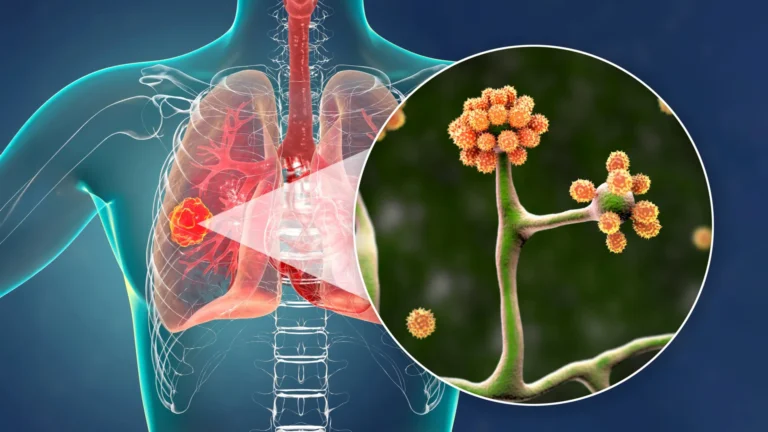

Groundbreaking research has identified the pervasive presence of microscopic plastic fragments within human prostate tissue, revealing particularly elevated concentrations in malignant tumors compared to adjacent healthy areas. This initial investigation, conducted by scientists at NYU Langone Health, including its esteemed Perlmutter Cancer Center and Center for the Investigation of Environmental Hazards, offers compelling preliminary evidence suggesting a potential link between microplastic exposure and the development or progression of prostate cancer. The study marks a significant step in understanding the complex interplay between environmental pollutants and human disease, specifically focusing on one of the most prevalent cancers among men in the United States.
The findings, slated for presentation at the American Society of Clinical Oncology’s Genitourinary Cancers Symposium on February 26, underscore a critical area of emerging public health concern. While previous studies have documented the widespread presence of microplastics across various human organs and bodily fluids, this particular research stands out as the first Western study to quantitatively measure and compare microplastic levels directly within cancerous prostate tissue versus benign tissue from the same individuals. This direct comparison provides a more nuanced understanding of how these ubiquitous environmental contaminants might interact with disease pathology.
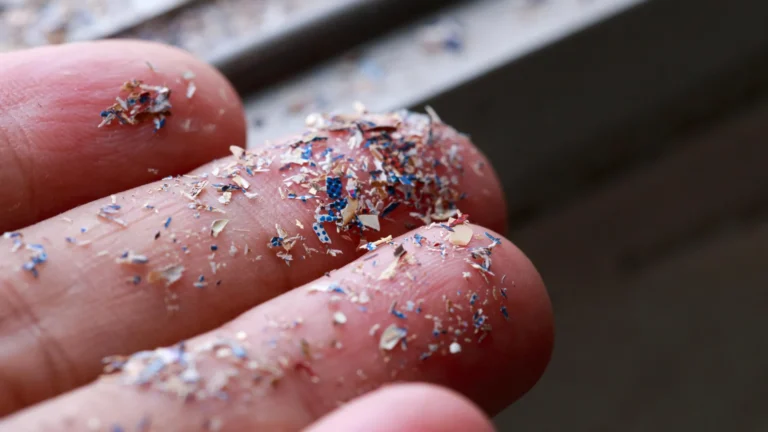
Microplastics, defined as plastic particles less than five millimeters in length, originate from the degradation of larger plastic items that permeate our modern world. These ubiquitous materials are found in countless consumer products, ranging from food packaging and beverage containers to personal care items like cosmetics and synthetic clothing. The breakdown process can occur through physical abrasion, exposure to heat, chemical decomposition, or photodegradation, leading to the release of these minute fragments into the environment. Once released, these particles become airborne, integrate into water systems, and contaminate soil, creating multiple pathways for human exposure. Individuals can inadvertently ingest microplastics through contaminated food and water, inhale them from polluted air, or absorb them through dermal contact with various products.
The scientific community has, for some time, grappled with the implications of microplastic ubiquity. Prior research has confirmed their presence in nearly every human organ system examined, including the lungs, liver, kidneys, spleen, and even the placenta, signifying a systemic distribution throughout the body. Furthermore, microplastics have been detected in various bodily fluids such as blood and urine. Despite this extensive documentation of their widespread presence, the precise mechanisms by which these particles might exert pathological effects on human health, particularly their potential role in carcinogenesis, remain largely undefined and are the subject of intensive ongoing investigation.
For this pilot study, researchers meticulously analyzed prostate tissue samples obtained from ten patients who underwent surgical procedures for gland removal. The results were striking: microscopic plastic particles were identified in an overwhelming 90% of the cancerous tumor samples. In comparison, microplastics were also detected in 70% of the adjacent non-cancerous prostate tissue samples. Beyond mere presence, the study also revealed a significant quantitative difference in concentration. On average, the malignant tumor samples contained approximately 2.5 times higher levels of plastic compared to the healthy tissue. This translates to an average concentration of about 40 micrograms of plastic per gram of cancerous tissue, versus approximately 16 micrograms per gram in benign tissue.
Dr. Stacy Loeb, a lead author of the study and a professor in both the Departments of Urology and Population Health at the NYU Grossman School of Medicine, underscored the significance of these initial findings. "Our pilot study offers crucial evidence suggesting that exposure to microplastics could indeed represent a risk factor for prostate cancer," stated Dr. Loeb. She further noted that while earlier scientific inquiries had hinted at potential associations between microplastics and a range of other health conditions, including cardiovascular diseases and neurodegenerative disorders such as dementia, direct empirical evidence specifically linking these particles to prostate cancer has been conspicuously scarce until now. This research begins to fill that critical knowledge gap.
Given the pervasive nature of plastic in medical and laboratory environments, the research team implemented extraordinarily rigorous protocols to mitigate any potential contamination during the analysis phase. To ensure the integrity of their samples and results, plastic tools and equipment commonly used in laboratory settings were systematically replaced with non-plastic alternatives, such as those made from aluminum, cotton, or glass. All experimental procedures, including the visual inspection of tissue samples and subsequent advanced analyses, were meticulously performed within specialized, controlled clean rooms specifically designed and maintained for microplastic analysis. This stringent approach was vital for isolating exogenous microplastic particles from potential sources of laboratory-introduced contamination.
The analytical process itself involved a sophisticated multi-stage approach. Initially, both tumor and benign tissue samples underwent thorough visual inspection. Following this, specialized instrumentation was employed to precisely measure not only the quantity but also the chemical composition and structural characteristics of the microplastic particles detected. The research specifically focused on identifying and quantifying 12 of the most common plastic polymers, including polyethylene (PE), polypropylene (PP), polyethylene terephthalate (PET), and polyvinyl chloride (PVC), which are prevalent in everyday products and known to degrade into microparticles. This detailed chemical analysis allowed for a precise characterization of the types of plastics accumulating in human tissue.
Dr. Vittorio Albergamo, a senior author of the study and an assistant professor in the Department of Pediatrics at the NYU Grossman School of Medicine, reflected on the broader implications of their discoveries. "By uncovering yet another potential health concern posed by plastic, our findings emphatically highlight the urgent need for more stringent regulatory frameworks to curtail the public’s widespread exposure to these substances, which are now ubiquitous in our global environment," Dr. Albergamo remarked.
One leading hypothesis currently under active investigation by the research team centers on the potential role of inflammation. It is posited that the presence of microplastic particles within prostate tissue could trigger a sustained immune response, leading to chronic inflammation. Over extended periods, chronic inflammation is a well-established driver of cellular damage and can induce genetic alterations within cells, processes that are recognized as critical precursors to cancer development. The team plans to conduct further studies to meticulously investigate how microplastics behave once inside the body, including their translocation, accumulation, and interaction with cellular machinery, to ascertain whether they directly contribute to the intricate process of cancer formation.
Despite the compelling nature of these initial findings, Dr. Albergamo judiciously cautioned that the study was conducted on a relatively small cohort of patients. He emphasized the imperative for larger-scale investigations involving more diverse populations to independently validate and expand upon these preliminary observations. Such broader studies will be essential to establish definitive causal links and to fully understand the clinical relevance of microplastic presence in prostate cancer.
Prostate cancer remains a significant public health challenge, with statistics from the Centers for Disease Control and Prevention indicating that approximately one in eight men in the United States will receive a diagnosis of prostate cancer during their lifetime. Understanding all potential risk factors, including emerging environmental contaminants, is crucial for developing improved prevention strategies and therapeutic interventions.
The pivotal research received financial backing from the U.S. Department of Defense, underscoring its recognized importance in advancing health science. The extensive team at NYU Langone involved in this collaborative effort included Dr. Leonardo Trasande, Dr. Trevor Johnson, Dr. Fang-Ming Deng, Dr. Mark Strong, Dr. David Wise, Dr. José Alemán, Zixuan Mo, Mariana Rangel Camacho, Nataliya Byrne, Tatiana Sanchez Nolasco, Adrian Rivera, Dr. William Huang, Dr. Herbert Lepor, Dr. Wei Phin Tan, and Dr. James Wysock, in addition to Dr. Loeb and Dr. Albergamo. Dr. Samir Taneja from Northwell Health in New York City also provided valuable contributions to the study’s execution.
In the interest of full transparency, Dr. Loeb has provided consulting services to pharmaceutical company Astellas, digital health company Savor Health, and men’s health organization Movember, and has received research funding from Endo USA Inc. She has also participated in advisory boards for Endo USA, Blue Earth Diagnostics, Pfizer, Sumitomo Pharma, and Doceree. Dr. Wysock has consulted for medical equipment manufacturers Edap — Focal One and URO-1 Medical. Dr. Wise serves as a paid consultant for Pfizer, Bayer, K36, OncoC4, AstraZeneca, and Janssen Pharmaceuticals, and has acted as an expert witness for Exxon Mobil. NYU Langone Health affirms that none of these disclosed professional activities are connected to the current microplastic study, and the institution is actively managing the terms and conditions of these relationships in strict adherence to its established policies and procedures.
About the Author