A groundbreaking fusion of ancient DNA analysis and contemporary clinical genetics has illuminated the profound genetic landscape of our distant ancestors, pinpointing a rare inherited growth disorder in two individuals who lived over twelve millennia ago. This pioneering research, spearheaded by an international consortium including experts from the University of Vienna and Liège University Hospital Centre, utilized sophisticated paleogenomic techniques to diagnose a specific genetic condition in individuals discovered in a celebrated Upper Paleolithic burial site in southern Italy. The implications of these findings, disseminated through the esteemed pages of the New England Journal of Medicine, are far-reaching, demonstrating the transformative power of paleogenomics in reconstructing ancient population histories and identifying genetic pathologies that afflicted prehistoric human populations.
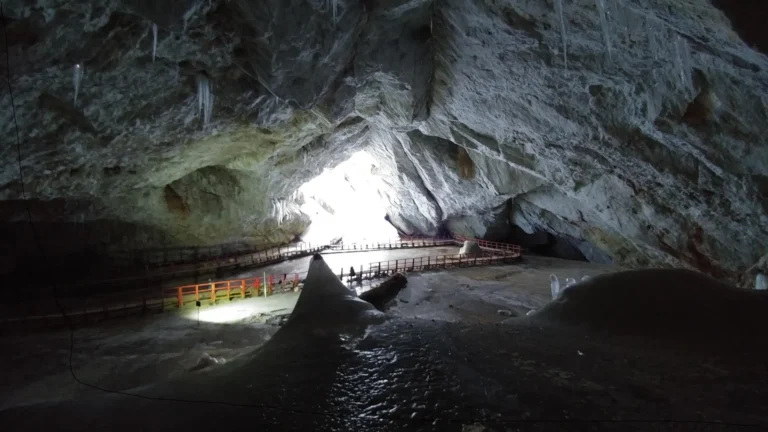
The investigation centers on the remarkable discovery made in 1963 at Grotta del Romito, a cave that has long captivated the scientific community due to the unique skeletal characteristics and the poignant internment of its two occupants. For decades, scholars have pondered the precise relationship between these individuals and whether an underlying medical condition could account for their notably diminished stature. This enduring enigma has now been significantly unraveled through advanced genetic profiling.
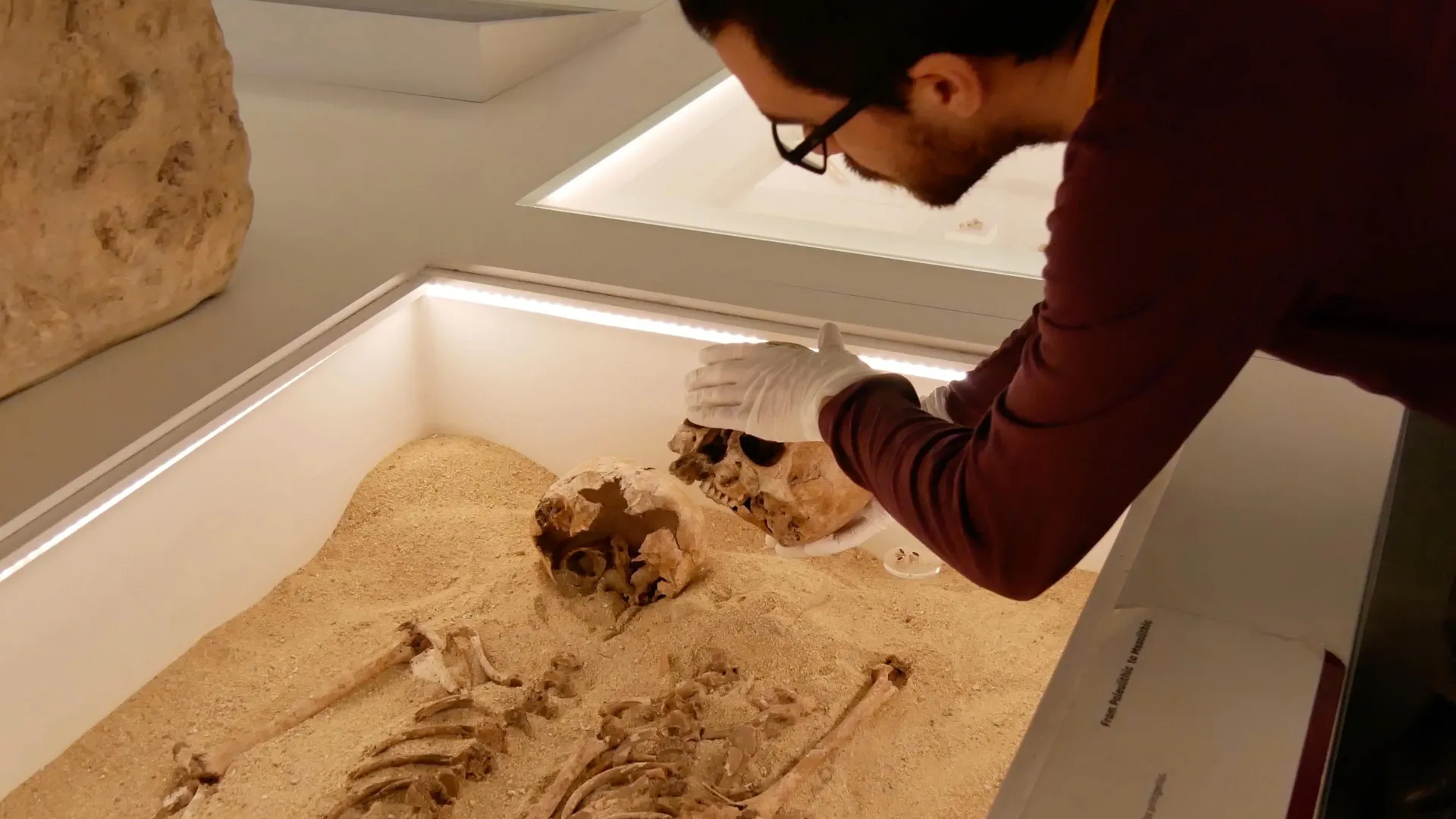
The striking tableau of the Grotta del Romito burial depicts two individuals interred in a tender embrace, a posture that has fueled speculation and scientific inquiry for generations. The younger individual, designated "Romito 2," exhibited distinctly shortened limbs and was previously misidentified as male. This individual was found cradled by "Romito 1," presumed to be an adult female. Crucially, no evidence of trauma was observed on either skeleton, suggesting their demise was not the result of violence. Romito 2’s diminutive stature, approximately 110 centimeters (3 feet 7 inches), aligns with the phenotypic presentation of acromesomelic dysplasia, a rare skeletal disorder, though a definitive diagnosis solely from skeletal morphology had remained elusive. Romito 1, while also shorter than the average for her era at around 145 centimeters (4 feet 9 inches), added another layer to the puzzle, prompting ongoing debates regarding their sexes, their familial ties, and the potential for a shared genetic etiology to explain their differing heights.
To penetrate the genetic veil of these ancient individuals, scientists meticulously extracted ancient DNA from the petrous portion of the temporal bone in both skeletons, a region renowned for its exceptional capacity to preserve genetic material. The analysis yielded a pivotal revelation: the two individuals were first-degree relatives, establishing a concrete familial link. Subsequently, the research team embarked on a detailed examination of genes integral to bone development, cross-referencing the identified genetic variants with extensive databases of modern medical data. This interdisciplinary endeavor seamlessly integrated the fields of paleogenomics, clinical genetics, and physical anthropology, fostering a collaborative spirit among researchers from prestigious institutions across Austria, Italy, Portugal, and Belgium.
This comprehensive genetic analysis provided the earliest known diagnosis of a genetic condition in ancient humans, offering an unprecedented glimpse into the genetic health of our prehistoric ancestors. The genetic testing unequivocally determined that both individuals were female, suggesting a close maternal relationship, most likely that of a mother and daughter. In the case of Romito 2, the research identified a homozygous mutation within the NPR2 gene, a gene critically involved in the intricate processes of skeletal development. This specific genetic anomaly serves as definitive evidence for acromesomelic dysplasia, Maroteaux type—an exceedingly rare inherited disorder characterized by severe disproportionate short stature, particularly affecting the limbs.
The genetic profile of Romito 1 revealed the presence of a single altered copy of the same NPR2 gene. This heterozygous genetic configuration is associated with a milder manifestation of short stature, effectively accounting for the observable difference in height between the two women and providing a nuanced understanding of how the genetic mutation impacted family members differently.
The profound implications of this research extend to our understanding of the longevity and prevalence of rare genetic diseases. As stated by Ron Pinhasi of the University of Vienna, a co-lead investigator on the study, "By applying ancient DNA analysis, we can now identify specific mutations in prehistoric individuals." He further elaborated that this capability not only sheds light on the historical depth of rare genetic conditions but also opens avenues for discovering previously undocumented genetic variants. Daniel Fernandes of the University of Coimbra, the study’s first author, emphasized the familial dimension of the discovery, noting, "Identifying both individuals as female and closely related turns this burial into a familial genetic case." He highlighted the significance of the older woman’s milder short stature, which he posits reflects a heterozygous mutation, thus illustrating the varied impact of the same gene within a prehistoric family unit.
Adrian Daly of Liège University Hospital Centre, another co-leader of the study, underscored the enduring nature of these genetic conditions, observing, "Rare genetic diseases are not a modern phenomenon but have been present throughout human history." He posited that gaining insights into the historical trajectory of these diseases could prove instrumental in their recognition and management in contemporary clinical settings.
Beyond the genetic revelations, the survival of Romito 2 into adolescence or adulthood, despite significant physical challenges, offers compelling evidence of social support systems within Ice Age communities. Alfredo Coppa of Sapienza University of Rome, who also co-led the study, articulated this point, stating, "We believe her survival would have required sustained support from her group, including help with food and mobility in a challenging environment." This suggests a level of communal care and compassion that transcended the immediate challenges posed by physical disabilities, painting a more complex picture of prehistoric social dynamics. The meticulous interdisciplinary approach, combining the cutting-edge power of ancient DNA sequencing with the diagnostic precision of modern clinical genetics, has not only solved a long-standing paleoanthropological mystery but has also profoundly advanced our understanding of human health, evolution, and social behavior in the distant past.
About the Author