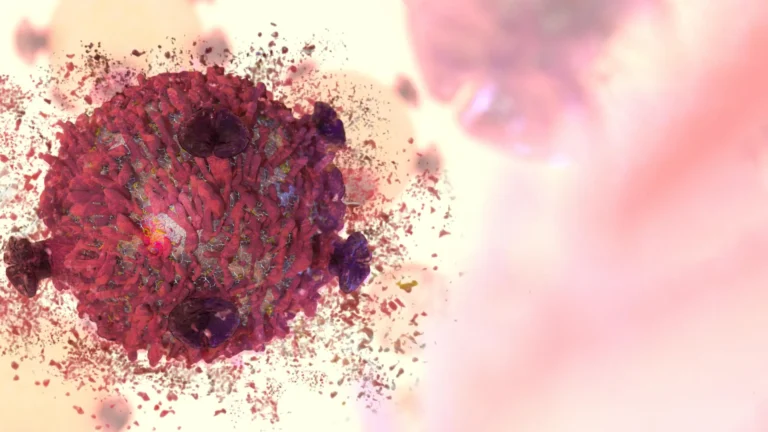
A groundbreaking clinical investigation is underway, exploring the potential of transplanting laboratory-cultivated brain cells to address the debilitating motor impairments characteristic of Parkinson’s disease. This early-phase trial, conducted by researchers at Keck Medicine of USC, aims to determine the safety and efficacy of introducing specially engineered stem cells into the brain to regenerate dopamine-producing neurons and, consequently, re-establish crucial movement control. The overarching objective is to offer individuals afflicted with this progressive neurological disorder a tangible path toward regaining lost motor capabilities and enhancing their overall quality of life.
Parkinson’s disease, a chronic and neurodegenerative condition, imposes a relentless decline in an individual’s ability to control voluntary movements. Affecting over a million individuals in the United States, with approximately 90,000 new diagnoses annually, the disease presents a significant public health challenge. Current therapeutic interventions primarily focus on symptom management, providing temporary relief but failing to halt or reverse the underlying pathological processes. The fundamental biological deficit in Parkinson’s disease lies in the progressive deterioration and loss of specific neurons within the brain responsible for synthesizing dopamine. Dopamine, a vital neurotransmitter, orchestrates a complex array of functions, including motor planning and execution, emotional regulation, and cognitive processes. As the population of these dopaminergic cells dwindles, the intricate neural circuitry governing movement becomes disrupted, manifesting as the hallmark symptoms of the disease: resting tremors, muscular rigidity, slowness of movement (bradykinesia), and postural instability.
The innovative approach being tested in this clinical trial leverages a sophisticated form of stem cell technology. Specifically, the treatment utilizes induced pluripotent stem cells (iPSCs), a remarkable advancement in regenerative medicine. Unlike embryonic stem cells, iPSCs are derived from adult somatic cells, such as skin or blood cells, which are then genetically reprogrammed in a laboratory setting. This reprogramming process reverts the cells to a pluripotent state, meaning they possess the extraordinary capacity to differentiate into virtually any cell type found in the human body. In the context of this Parkinson’s trial, the iPSCs are meticulously guided to mature into dopaminergic neurons, effectively creating a biological replacement for the cells lost due to the disease. Researchers express optimism that these iPSCs, when implanted, will reliably differentiate into functional dopamine-producing neurons, offering a promising strategy to re-initiate and sustain endogenous dopamine synthesis within the brain.
The surgical procedure, a critical component of this experimental therapy, involves a highly precise intervention performed by neurosurgeons. A small, carefully created access point is made in the patient’s skull to allow for the targeted delivery of the iPSC-derived dopamine neurons. Utilizing advanced magnetic resonance imaging (MRI) technology for real-time guidance, the cells are then meticulously transplanted into specific regions of the basal ganglia. This subcortical brain structure is integral to the motor system, playing a pivotal role in the initiation, selection, and execution of voluntary movements, as well as the learning of new motor skills. The accuracy of this implantation is paramount to ensuring the transplanted cells integrate effectively into the existing neural network.
Following the surgical implantation, patients enrolled in the trial undergo a rigorous period of close medical observation. This monitoring phase, typically spanning 12 to 15 months, is designed to meticulously assess the safety of the procedure and evaluate the early therapeutic effects. Healthcare professionals closely track changes in the participants’ motor symptoms, looking for evidence of improvement or stabilization. Simultaneously, vigilant surveillance is maintained for any potential adverse events, including the development of dyskinesias – involuntary, often jerky or writhing movements that can sometimes arise as a side effect of Parkinson’s disease treatments – or any signs of infection at the surgical site. The trial protocol extends to a long-term follow-up period, extending up to five years, to comprehensively evaluate the sustained safety and the enduring clinical outcomes of the stem cell transplantation.
Keck Medicine of USC is one of three leading medical centers across the United States participating in this crucial, multi-site clinical trial. The study is designed to include a total of 12 participants who have been diagnosed with moderate to moderately severe Parkinson’s disease, representing a patient population for whom innovative therapeutic options are particularly needed. The investigational stem cell therapy, designated as RNDP-001, is being developed by Kenai Therapeutics, a biotechnology firm dedicated to advancing novel treatments for neurological disorders. Recognizing the significant unmet medical need and the potential impact of this therapy, the U.S. Food and Drug Administration (FDA) has granted the Phase 1 REPLACE™ clinical trial fast-track designation. This expedited status is awarded to therapies that demonstrate promise in addressing serious conditions and facilitates a more streamlined development and review process, potentially bringing this treatment to patients sooner if proven safe and effective.
The underlying mechanism of Parkinson’s disease, the deficiency in dopamine, has been a focal point of neurological research for decades. This neurotransmitter acts as a chemical messenger, transmitting signals between nerve cells (neurons) and is crucial for smooth, coordinated muscle movement. The neurons that produce dopamine are primarily located in a small area of the midbrain called the substantia nigra. In Parkinson’s disease, these neurons degenerate and die, leading to a significant reduction in dopamine levels in the striatum, a key part of the basal ganglia. This dopamine depletion disrupts the normal functioning of the basal ganglia, leading to the characteristic motor symptoms. While medications like levodopa can temporarily replenish dopamine levels and alleviate symptoms, they do not stop the progression of the disease and can sometimes lead to motor complications like dyskinesias over time. Deep brain stimulation (DBS) is another established treatment that can help manage motor symptoms by electrically stimulating certain brain areas, but it does not replace lost dopamine-producing cells. The current stem cell therapy represents a fundamentally different therapeutic strategy, aiming to directly repair the damaged neural circuitry by introducing new, functional dopamine-producing neurons.
The development of induced pluripotent stem cells (iPSCs) marked a significant scientific breakthrough, offering a powerful tool for studying diseases and developing regenerative therapies without the ethical considerations associated with embryonic stem cells. The ability to generate iPSCs from a patient’s own cells could also, in the future, potentially reduce the risk of immune rejection following transplantation. However, ensuring the safe and effective differentiation of iPSCs into the specific cell type needed, and their successful integration into the complex neural environment of the brain, remains a significant scientific and technical challenge. Rigorous preclinical studies and carefully designed clinical trials, like the one described, are essential to address these challenges and validate the therapeutic potential of such approaches. The multidisciplinary expertise involved in this research, encompassing neurosurgery, neurology, stem cell biology, and advanced imaging techniques, underscores the complexity and collaborative nature of modern medical innovation.
About the Author