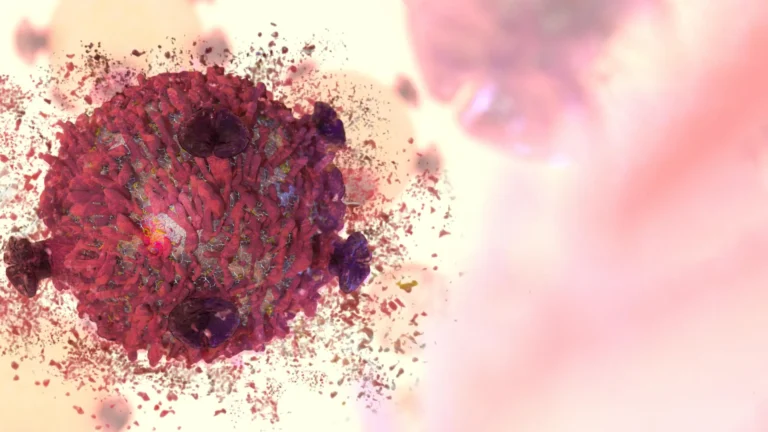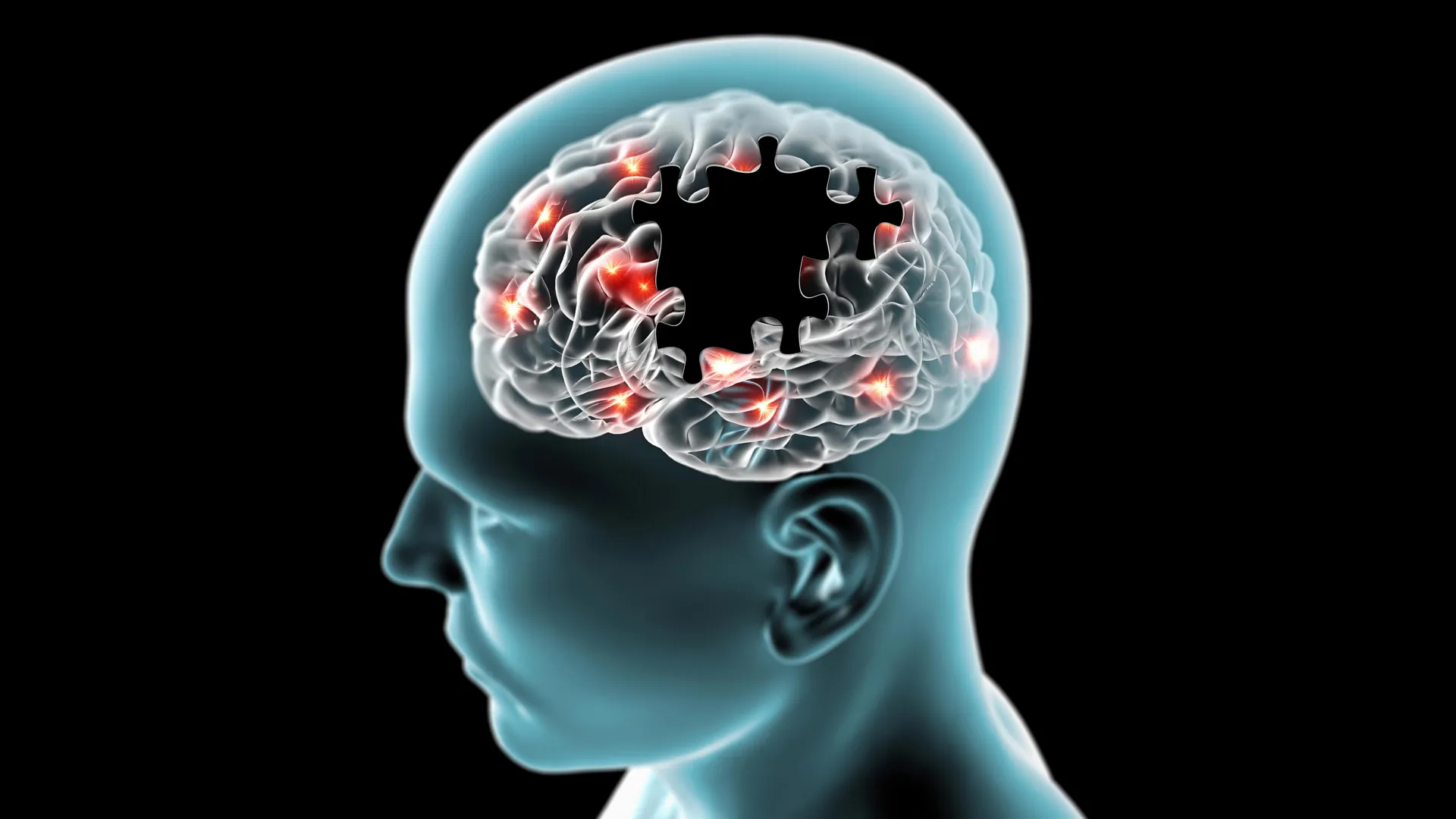
A novel small-molecule therapeutic, developed through rigorous scientific inquiry at Northwestern University, is demonstrating significant potential as an early intervention strategy for Alzheimer’s disease, aiming to disrupt the pathology before the onset of cognitive impairment. This experimental compound, identified as NU-9, has shown a remarkable capacity to address a specific, highly toxic subtype of amyloid-beta oligomers, which researchers now believe are instrumental in initiating the cascade of detrimental neurological events characteristic of the disease.
The groundbreaking research, slated for publication in the esteemed journal Alzheimer’s and Dementia: The Journal of the Alzheimer’s Association on December 18th, centers on the identification of a previously unrecognized, particularly pernicious form of amyloid-beta oligomers. These are not the large, insoluble plaques that often serve as a later-stage hallmark of Alzheimer’s, but rather smaller, highly soluble clusters of peptides. The Northwestern team has pinpointed a distinct subtype of these oligomers that appears to be a primary instigator of the brain’s earliest pathological changes, including the dysfunction of neurons, widespread inflammation, and the activation of immune cells within the central nervous system.
NU-9’s mechanism of action involves directly targeting and diminishing this newly identified toxic amyloid-beta oligomer subtype. In preclinical studies utilizing a mouse model engineered to mimic the progression of Alzheimer’s disease, administration of NU-9 resulted in a dramatic reduction in the damage attributable to these specific oligomers. The implications of this finding are profound: by intervening at this nascent stage, researchers are optimistic that NU-9 could potentially forestall or substantially delay the destructive chain reaction that ultimately leads to neuronal death, the root cause of debilitating symptoms.
This breakthrough offers a paradigm shift in Alzheimer’s research, proposing a therapeutic strategy focused on the disease’s earliest molecular signatures, long before the insidious onset of memory loss and other cognitive deficits. "Alzheimer’s disease initiates decades prior to the manifestation of its clinical symptoms," explained Daniel Kranz, the study’s lead author and a recent Ph.D. graduate from Northwestern’s Interdisciplinary Biological Sciences (IBiS) program. "Early events, such as the accumulation of toxic amyloid-beta oligomers within neurons and the subsequent reactive state of glial cells, occur long before any discernible decline in memory. By the time symptoms become apparent, the underlying pathological processes are already significantly advanced. This temporal disconnect is likely a major factor contributing to the high failure rate of many clinical trials, as they often commence too late in the disease’s trajectory. In our investigation, we administered NU-9 before the anticipated onset of symptoms, effectively modeling this crucial pre-symptomatic window."
Kranz’s research is conducted under the guidance of corresponding author William Klein, a distinguished professor of neurobiology at Northwestern’s Weinberg College of Arts and Sciences and a recognized expert in Alzheimer’s disease. Professor Klein is also a co-founder of Acumen Pharmaceuticals, a company actively developing a therapeutic monoclonal antibody that specifically targets the very subtype of amyloid-beta oligomers identified in this study and is currently undergoing clinical trials. The inventive development of NU-9 itself is attributed to Richard Silverman, a key co-author of the study and a prolific inventor in the field of medicinal chemistry. Professor Silverman, whose prior innovations include the widely used drug pregabalin (Lyrica) for conditions such as fibromyalgia, nerve pain, and epilepsy, holds the esteemed Patrick G. Ryan/Aon Professorship in Weinberg’s Department of Chemistry and is the founder of Akava Therapeutics, a startup company established to commercialize NU-9, now referred to as AKV9.
The genesis of NU-9 dates back approximately 15 years, emerging from Professor Silverman’s extensive, multi-year endeavor to discover a small-molecule compound capable of impeding the formation of toxic protein aggregates implicated in a range of neurodegenerative disorders. By 2021, NU-9 had already demonstrated promising efficacy in animal models of amyotrophic lateral sclerosis (ALS), successfully clearing toxic SOD1 and TDP-43 proteins and restoring function to upper motor neurons. This success paved the way for its advancement, and in 2024, it received clearance from the U.S. Food and Drug Administration to commence human clinical trials for ALS.
More recently, in a pivotal development earlier this year, Professors Silverman, Klein, and Kranz further elucidated NU-9’s therapeutic potential, demonstrating its effectiveness in treating Alzheimer’s disease. In a preceding study, NU-9 exhibited its ability to clear toxic amyloid-beta oligomers from laboratory-grown brain cells derived from the hippocampus, a brain region critically involved in learning and memory formation. "In both ALS and Alzheimer’s disease, cells are profoundly affected by the accumulation of toxic proteins," Professor Klein elaborated. "Cells possess intrinsic mechanisms for eliminating these aberrant proteins, but these cellular defense systems become compromised in degenerative diseases such as ALS and Alzheimer’s. NU-9 functions by restoring and supporting these vital cellular pathways, thereby preserving cell viability."
To more thoroughly assess NU-9’s potential in combating Alzheimer’s disease, the research consortium aimed to evaluate its efficacy in halting the earliest stages of neuronal damage. In the current investigation, NU-9 was administered to a pre-symptomatic mouse model of Alzheimer’s disease, with the animals receiving a daily oral dose for a continuous period of 60 days. The outcomes of this intervention were remarkably significant. NU-9 demonstrably reduced early reactive astrogliosis, an inflammatory response within the brain that is known to commence long before any clinical symptoms become evident. Furthermore, the binding of toxic amyloid-beta oligomers to astrocytes—the star-shaped glial cells that play crucial roles in neuronal support and immune regulation within the brain—was substantially diminished. Concurrently, an abnormal manifestation of the protein TDP-43, a protein aggregate frequently associated with neurodegenerative diseases and implicated in cognitive impairments, showed a sharp decrease in the treated animals.
"These findings are nothing short of stunning," Professor Klein stated emphatically. "NU-9 exerted an outstanding influence on reactive astrogliosis, which is fundamentally the essence of neuroinflammation and is intimately linked to the earliest phases of Alzheimer’s disease." The observed improvements were not localized to specific brain regions but were distributed broadly, suggesting that NU-9 possesses a brain-wide anti-inflammatory effect, a critical factor in addressing the systemic nature of neurodegenerative processes.
During their detailed examination of NU-9’s effects on the pre-symptomatic mouse model, the research team uncovered an unexpected key player in the disease’s initiation. For many years, scientific consensus has largely posited amyloid-beta oligomers as more cytotoxic than the larger, aggregated amyloid-beta fibrils that eventually coalesce into plaques. However, this new research distinguishes between different types of oligomers. The Northwestern scientists have identified a specific subtype of amyloid-beta oligomer that exhibits uniquely problematic characteristics. "We have identified a distinct amyloid-beta oligomer subtype that appears within neurons and subsequently on nearby reactive astrocytes very early in the disease process," explained Daniel Kranz. "This particular subtype appears to act as the primary instigator of the initial pathological events in Alzheimer’s disease."
This specific oligomer subtype, designated as ACU193+ due to its detection by the antibody ACU193, was observed to emerge within stressed neurons. Subsequently, these oligomers seem to migrate to the surface of adjacent astrocytes. When ACU193+ oligomers attach to astrocytes, they may trigger a cascade of inflammatory responses that propagate throughout the brain, initiating damage well before any memory deficits become apparent.
The capacity of NU-9 to effectively target and significantly reduce this specific oligomer subtype suggests its particular utility in the earliest stages of Alzheimer’s disease, precisely when therapeutic interventions are most likely to yield substantial benefits. By mitigating the presence of this aggressive subtype, NU-9 holds the potential to prevent the overactivation of astrocytes. While astrocytes normally function as the brain’s frontline defense and support cells, they can become detrimental when pushed into a hyper-reactive state. This pathological activation can lead to synaptic damage, the release of pro-inflammatory molecules, and an acceleration of neurodegeneration. Inhibiting this destructive astrocytic response could represent one of the most potent strategies for slowing the relentless progression of Alzheimer’s disease.
Both Daniel Kranz and Richard Silverman drew parallels between this therapeutic approach and established early intervention strategies employed in the prevention of other chronic diseases, such as cancer and cardiovascular disease. "Many individuals are familiar with the practice of monitoring their cholesterol levels," Professor Silverman commented. "Elevated cholesterol does not immediately signify an impending heart attack, but it serves as a critical warning sign, prompting the use of medication to lower cholesterol and thereby prevent future cardiac events. NU-9 could fulfill a comparable role. If an individual possesses a biomarker indicative of Alzheimer’s disease, they could potentially commence treatment with NU-9 proactively, before any symptoms manifest."
Professor Klein added to this perspective, noting the ongoing development of early diagnostic blood tests for Alzheimer’s disease. "The convergence of improved early diagnostic capabilities with a drug that has the potential to halt the disease in its tracks represents the ultimate therapeutic goal," he stated.
The research team is currently engaged in further investigations, evaluating NU-9 in additional Alzheimer’s disease models, including an animal model designed to more accurately reflect late-onset Alzheimer’s disease, which is more representative of the typical human aging process. The researchers also plan to extend the observation period in their animal studies to ascertain whether symptoms ultimately develop in treated animals and to meticulously examine how early intervention with NU-9 influences memory function and neuronal health over extended durations. This comprehensive research effort, titled "Identification of a glia-associated amyloid beta oligomer subtype and the rescue from reactive astrogliosis by inhibitor NU-9," received vital support from the National Institutes of Health under grant number AG061708.
About the Author