Children’s Hospital Colorado has etched a significant chapter in pediatric medical history by successfully executing its inaugural combined heart and liver transplant for a young patient. This complex undertaking, a testament to collaborative medical excellence, involved the synchronized efforts of over two dozen specialized medical professionals and encompassed approximately twenty-five distinct multidisciplinary care units. Nationwide, such intricate dual-organ transplantations in pediatric patients are exceedingly rare, with prior documented instances numbering a mere thirty-eight.
The successful completion of this pioneering procedure represents a monumental achievement for the hospital’s dedicated Pediatric Transplant Program, according to Dr. Megan Adams, who holds leadership roles in both the Pediatric Liver Transplant and Kidney Transplant Programs. Dr. Adams emphasized the culmination of years of unwavering commitment from a team driven by a vision to be the preeminent authority in pediatric transplantation across a vast seven-state service area. This dedication, she noted, enables the hospital to extend this advanced level of care to an increasing number of children facing life-threatening illnesses, ultimately empowering them to lead healthier and more fulfilling lives.
The foundation for this extraordinary medical feat was meticulously laid over many years, with care teams at Children’s Colorado diligently preparing for the intricate demands of a dual heart and liver transplant. A profound level of interdisciplinary synergy, fostered among experts in fields as diverse as cardiac surgery, cardiology, hepatology, and numerous other critical specialties, coupled with robust support from hospital administration, ensured that the medical staff was fully equipped and ready when 11-year-old Gracie Greenlaw and her family required this life-saving intervention.
Gracie’s medical journey began with a diagnosis of hypoplastic left heart syndrome (HLHS), a severe congenital condition characterized by the underdevelopment of the left side of the heart, resulting in only one functional pumping chamber. By the age of three, she had already undergone three substantial surgical procedures – the Norwood, the Glenn, and the Fontan – all designed to reroute blood flow and enable her heart to circulate blood more effectively throughout her body. While advancements in medical care have significantly improved the prognosis for many children born with HLHS, allowing them to survive into adulthood, the inherent complexities of the condition and its surgical interventions can often precipitate serious long-term complications, including significant liver damage and progressive liver failure.
In response to these persistent health challenges, Children’s Colorado proactively established the Fontan Multidisciplinary Clinic in 2016. This specialized clinic, an integral component of the hospital’s Single Ventricle Program, is dedicated to providing comprehensive, coordinated care for patients with HLHS and other single-ventricle anomalies, such as tricuspid atresia and unbalanced common atrioventricular canal. The clinic’s holistic approach focuses on addressing the multifaceted needs of each patient, ensuring that all aspects of their health are meticulously managed.
Through this dedicated program, Gracie received continuous, vigilant monitoring and therapeutic interventions for both her cardiac and hepatic conditions. Her care team comprised distinguished specialists, including cardiologist Dr. Kathleen Simpson and hepatologist Dr. Dania Brigham, who worked in close concert to manage her condition with the goal of maintaining her health for as long as possible, until a transplant emerged as the most viable and beneficial option. Dr. Simpson explained that while the Fontan procedure is life-saving, the extended duration of survival post-surgery can unfortunately increase the likelihood of developing associated comorbidities. The care team’s primary objective, she stated, was to sustain Gracie’s well-being and enable her to live a typical daily life for an extended period, before ultimately determining that a dual organ transplant offered the optimal pathway to achieving the highest possible long-term quality of life.
The progression of Gracie’s condition, marked by the development of plastic bronchitis – a disorder causing the accumulation of dense, proteinaceous material within the airways – significantly impacted her health over the past year, with worsening symptoms and the emergence of indicators pointing toward liver failure. This critical juncture prompted her medical team to conclude that proceeding with a combined heart and liver transplant was imperative. Consequently, Gracie was officially placed on the national transplant waitlist in April.
In the lead-up to the potential transplant, an extensive network of specialists convened on a regular basis to meticulously plan every facet of the surgical intervention. This rigorous preparation involved careful consideration of the unique challenges inherent in transplanting two major organs simultaneously, including the precise management of differing blood volume requirements and critical electrolyte balances during the extensive operative period.
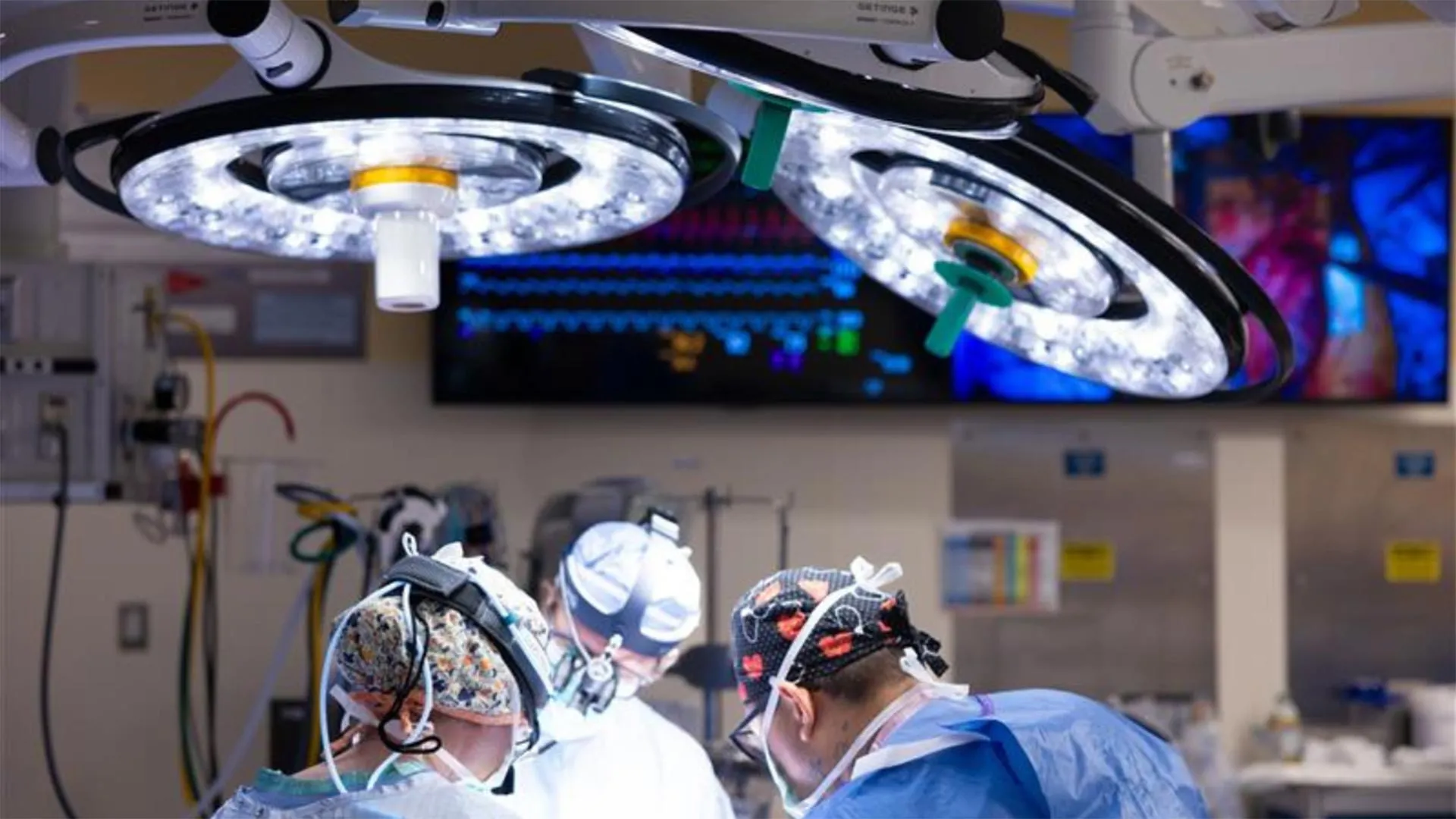
The complex, multi-organ transplantation procedure, which ultimately spanned approximately sixteen hours, was made possible by the selfless generosity of another family’s decision to donate organs. Due to the extremely limited viability window of donor hearts, the surgical team prioritized the cardiac transplant. This initial phase, lasting around nine hours, was expertly guided by Dr. Matthew Stone, surgical director of the Pediatric Heart Transplant Program, and congenital heart surgeon Dr. Emily Downs.
Concurrently, while the cardiac surgery was in progress, the donor liver was meticulously maintained in a viable state using the TransMedics Organ Care System, an advanced technological apparatus designed to simulate normal physiological liver function. This innovative system ensured the preservation of the liver’s integrity, thereby affording the cardiac surgical team the necessary time to complete their critical work. Following the completion of the heart transplant, Dr. Adams, alongside transplant surgeon Dr. Kendra Conzen, undertook the liver transplantation, an additional seven-hour endeavor. Throughout the entire surgical process, seamless and constant collaboration with the anesthesiology teams was paramount to safeguarding Gracie’s fragile health and ensuring her physiological stability.
The surgery, a remarkable feat of medical precision and teamwork, proved to be overwhelmingly successful. Gracie was discharged from the cardiac progressive care unit slightly over a month after the procedure. Seven months post-transplant, she continues to attend scheduled monthly follow-up appointments, but has resumed her education and has joyfully returned home to her beloved dogs. While it is anticipated that, consistent with the typical trajectory for pediatric heart transplant recipients, Gracie may require a subsequent heart transplant later in life, her transplanted liver is expected to remain functional and viable for the duration of her life.
This groundbreaking procedure, according to Dr. Duncan Wilcox, Surgeon in Chief, profoundly illustrates the exceptional expertise, skill, and the unparalleled standard of care that Children’s Colorado provides to its patients, particularly those with the most complex medical needs. As the foremost pediatric hospital in Colorado and the broader Rocky Mountain region, he articulated the institution’s profound pride in its cutting-edge transplant capabilities and its enthusiastic anticipation of supporting an even greater number of patients who will require sophisticated dual organ transplants in the future.
About the Author