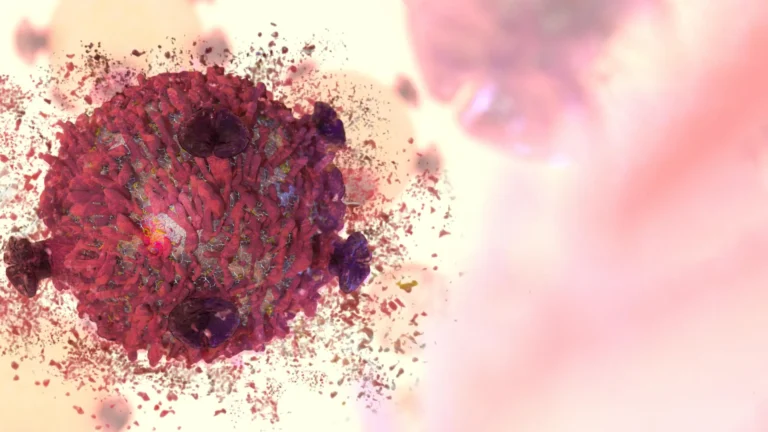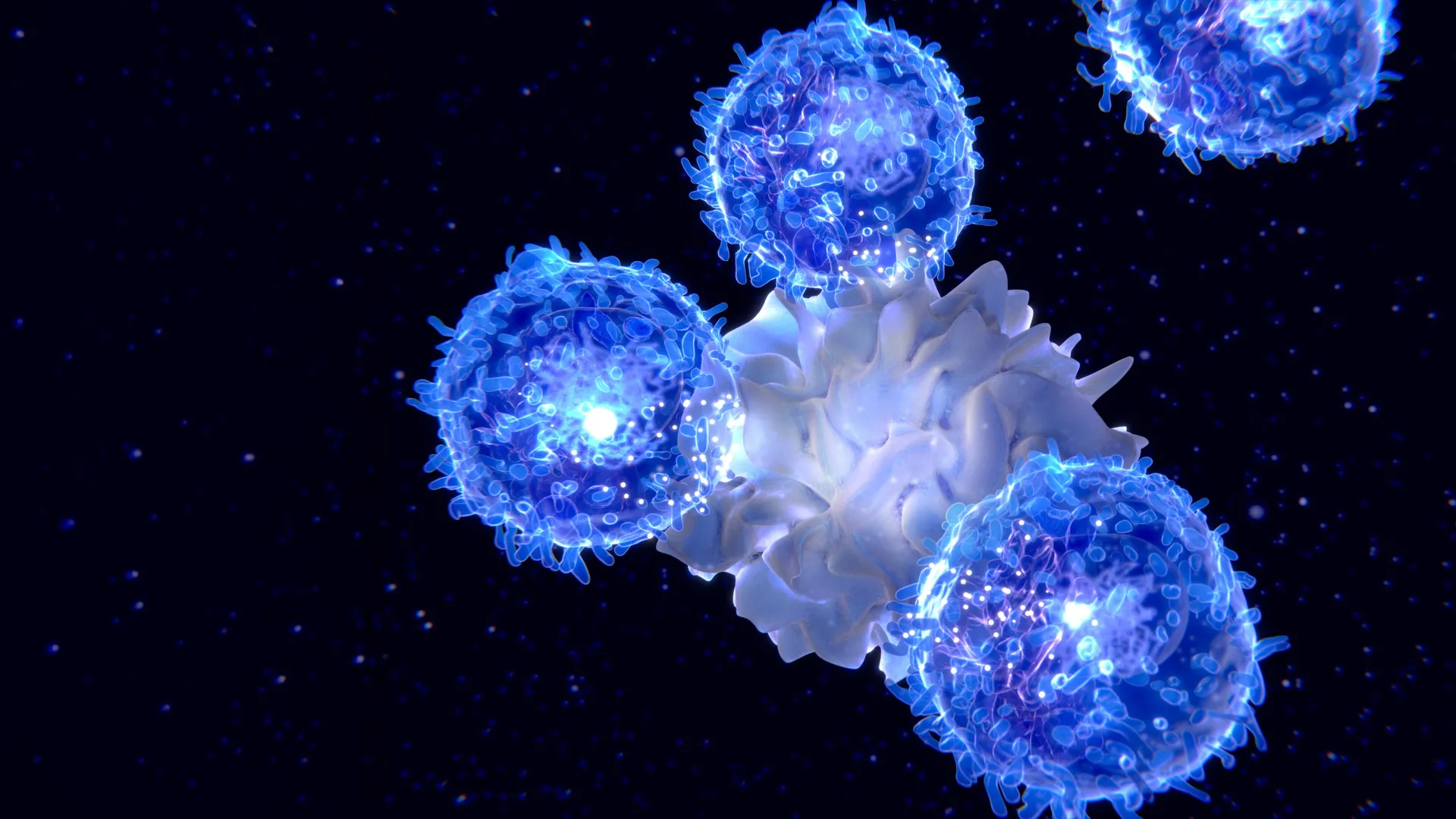
The inexorable march of time brings with it a gradual yet profound decline in various physiological systems, among them the immune system, a phenomenon often termed immunosenescence. As individuals advance in age, the body’s intrinsic defense mechanisms frequently become less robust, leaving older adults particularly vulnerable to a spectrum of health challenges. This age-related attenuation is primarily characterized by a significant contraction in the populations of critical immune cells, specifically T lymphocytes, and a noticeable deceleration in their responsiveness to pathogenic threats. Such a diminished immune capacity contributes to increased susceptibility to infections, reduced efficacy of vaccinations, and a heightened risk of certain cancers, collectively impacting the quality of life and longevity of an aging global demographic.
Addressing this fundamental biological challenge, a groundbreaking research initiative led by scientists from the Massachusetts Institute of Technology (MIT) and the Broad Institute has unveiled an innovative methodology designed to temporarily reconfigure hepatic cells, effectively fortifying T-cell performance. The core objective of this novel approach is to compensate for the dwindling output of the thymus, the specialized lymphoid organ indispensable for the maturation and diversification of T cells. By orchestrating a transient redirection of the liver’s biosynthetic capabilities, the team aimed to create an internal biological factory capable of generating crucial immune-supportive signals typically provided by a youthful thymus.
In their seminal study, the research team employed messenger RNA (mRNA) technology as a sophisticated delivery system to introduce three pivotal factors known to foster the survival and development of T cells. This strategic intervention demonstrated remarkable success in rejuvenating the immune systems of aged murine models. Treated older mice exhibited a notable expansion in both the quantity and diversity of their T-cell populations subsequent to vaccination, and critically, also displayed significantly enhanced responses to contemporary cancer immunotherapies. Should this promising strategy prove adaptable for human therapeutic application, its potential to bolster health and resilience in later life is immense.
Dr. Feng Zhang, a distinguished figure holding the James and Patricia Poitras Professorship of Neuroscience at MIT, with joint appointments in Brain and Cognitive Sciences and Biological Engineering, articulated the profound implications of this work. "If we can successfully restore something as foundational as the immune system, the aspiration is to empower individuals to remain free from disease for an extended duration of their lives," stated Zhang, who also serves as an investigator at the McGovern Institute for Brain Research at MIT, a core institute member at the Broad Institute of MIT and Harvard, and an investigator with the Howard Hughes Medical Institute. Zhang is the senior author of the comprehensive study, which was peer-reviewed and published in the prestigious scientific journal Nature. Dr. Mirco Friedrich, a former MIT postdoctoral fellow, holds the distinction of being the lead author of the published paper.
The thymus, a diminutive gland nestled anterior to the heart, plays an indispensable role in cultivating a robust and varied supply of T lymphocytes. Within its intricate microenvironment, immature T cells undergo a rigorous selection and differentiation process, a critical checkpoint that ensures the generation of a highly diverse repertoire of T-cell receptors, each capable of recognizing distinct antigens. Beyond simply maturing these cells, the thymus actively secretes an array of essential cytokines and growth factors vital for the sustained viability and function of T cells. However, this crucial organ commences a progressive process of atrophy, known as thymic involution, beginning in early adulthood. This involution steadily diminishes the body’s capacity to generate new T cells, leading to a profound reduction in thymic function, rendering it virtually non-functional by approximately 75 years of age.
Friedrich underscored the imperative behind their research: "As the aging process unfolds, the immune system predictably enters a phase of decline. Our primary motivation was to conceptualize methodologies for preserving this vital immune protection over a longer temporal span, which consequently directed our focus toward innovative strategies for augmenting immunity." Previous endeavors aimed at reversing age-related immune decay have often concentrated on administering T-cell growth factors systemically via the bloodstream. However, such generalized approaches frequently trigger undesirable side effects due to their widespread, non-specific biological activity. Concurrently, other investigative avenues have explored the transplantation of stem cells with the ambitious goal of regenerating functional thymic tissue, a technically complex and still nascent field.
The MIT research collective, however, opted for a distinctly different and more synthetic paradigm. Their inquiry revolved around the intriguing proposition of whether the body itself could be induced to establish a temporary "factory" capable of manufacturing the precise T-cell stimulating signals typically elaborated by a healthy thymus. "Our methodology leans more toward a synthetic biological approach," Zhang elaborated. "We are essentially engineering the organism to emulate the secretion of thymic factors."
The selection of the liver for this pivotal role was predicated on several strategic advantages. The liver, a highly metabolically active organ, retains its impressive capacity for protein synthesis even into advanced age. Furthermore, its anatomical position and vascularization make it considerably more amenable to the targeted delivery of mRNA-carrying lipid nanoparticles compared to many other organ systems. Crucially, all circulating blood, including the vast populations of T cells, traverses through the liver, rendering it an ideal anatomical nexus for the systemic release of immune-supportive signals into the bloodstream, thereby ensuring widespread distribution.
To construct this transient bio-factory, the scientists meticulously identified three specific immune cues centrally involved in the intricate process of T-cell maturation. These critical factors were then encoded into mRNA sequences, which were subsequently encapsulated within specialized lipid nanoparticles (LNPs). Upon intravenous administration, these nanoparticles preferentially accumulate within the liver. Hepatocytes, the primary cells of the liver, efficiently internalize the LNPs, thereby taking up the mRNA. Once inside the hepatocytes, the cellular machinery then translates the mRNA sequences, commencing the production of the encoded proteins.
The three meticulously chosen factors delivered via this mRNA platform were Delta-like ligand 1 (DLL1), Fms-like tyrosine kinase 3 ligand (FLT-3), and Interleukin-7 (IL-7). Each of these signaling molecules plays a distinct yet synergistic role in guiding immature progenitor T cells through the complex developmental stages required to become fully differentiated, functional T lymphocytes. DLL1 is crucial for T-cell lineage commitment, FLT-3 ligand promotes the expansion of hematopoietic stem cells and early T-cell progenitors, and IL-7 is indispensable for T-cell survival, proliferation, and differentiation within the thymus.
Experimental validation conducted in murine models yielded a multitude of encouraging outcomes. In one particular assay, the researchers administered the mRNA-containing lipid nanoparticles to mice aged 18 months, an age roughly analogous to humans in their 50s, representing a stage where immunosenescence is well underway. Given the inherently transient nature of mRNA molecules within the cellular environment, the research team implemented a regimen of repeated doses over a four-week period to ensure consistent and sustained production of the therapeutic factors by the liver. Following this therapeutic intervention, the T-cell populations in the treated mice demonstrated a substantial increase in both numerical size and functional capacity.
The team then proceeded to investigate whether this innovative approach could enhance vaccine-induced immune responses. They immunized the mice with ovalbumin, a protein derived from egg whites frequently employed as a model antigen in immunological studies due to its well-characterized immune reactions. In the 18-month-old mice that had received the mRNA treatment prior to vaccination, the quantification of cytotoxic T cells specifically targeting ovalbumin revealed a doubling in number when compared to untreated control mice of the identical age. This finding carries significant implications for improving vaccine efficacy in the elderly, a demographic often exhibiting suboptimal responses to standard immunizations.
Furthermore, the researchers discovered that the mRNA-based methodology possessed the capability to amplify responses to cancer immunotherapy. In this experimental arm, 18-month-old mice were initially treated with the mRNA formulation. Subsequently, tumors were implanted, and the mice received a checkpoint inhibitor drug targeting PD-L1. These contemporary immunotherapeutic agents are designed to disengage the inherent ‘brakes’ of the immune system, thereby liberating T cells to more effectively identify and eradicate malignant cells. Critically, mice that received the synergistic combination of both the checkpoint inhibitor and the mRNA treatment exhibited significantly higher survival rates and extended lifespans compared to mice that received the checkpoint inhibitor drug alone, without the preceding mRNA intervention. This underscores the potential of immune rejuvenation to enhance the efficacy of cutting-edge cancer treatments.
Through rigorous analysis, the researchers conclusively determined that the combined action of all three administered factors was absolutely requisite for achieving the comprehensive immune improvement observed. No single factor, when delivered in isolation, was capable of replicating the full spectrum of beneficial effects, highlighting the complex, multi-faceted nature of thymic function and T-cell development. As a subsequent phase of their research, the team intends to rigorously evaluate this promising approach in additional, more complex animal models and to meticulously search for other potential signaling factors that could further augment immune function. Moreover, they plan to delve into how this transient hepatic reprogramming influences other critical immune cell populations, including B lymphocytes, which are integral to humoral immunity.
Beyond the principal authors, Dr. Zhang and Dr. Friedrich, the extensive list of contributing researchers to this seminal paper includes Julie Pham, Jiakun Tian, Hongyu Chen, Jiahao Huang, Niklas Kehl, Sophia Liu, Blake Lash, Fei Chen, Xiao Wang, and Rhiannon Macrae. The pivotal research endeavor received generous financial backing from a consortium of distinguished organizations, including the Howard Hughes Medical Institute, the K. Lisa Yang Brain-Body Center at MIT, the Broad Institute Programmable Therapeutics Gift Donors, the Pershing Square Foundation, the Phillips family, J. and P. Poitras, and an EMBO Postdoctoral Fellowship, underscoring the collaborative and multidisciplinary nature of this scientific breakthrough. This pioneering work offers a tangible glimpse into a future where age-related immune decline might be not just slowed, but actively reversed, ushering in an era of extended health and vitality for an increasingly aging global population.
About the Author