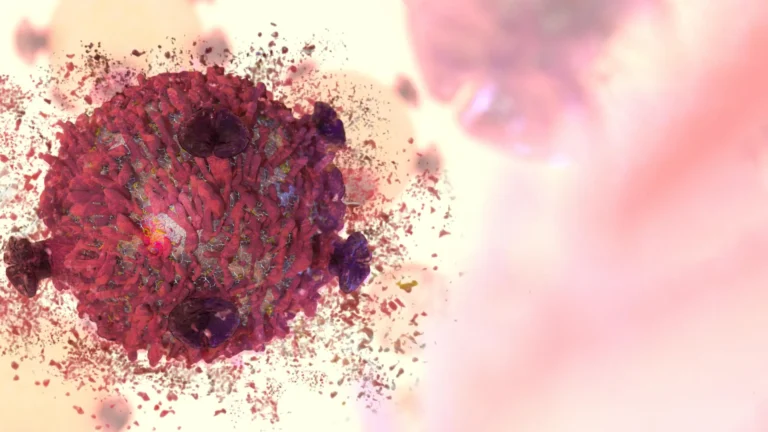
The global public health community remains on high alert as the highly pathogenic H5N1 avian influenza virus, commonly known as bird flu, continues its relentless expansion across continents, raising profound concerns about its potential to spark a human pandemic. First documented in the United States in 2014, this virulent strain has transcended its traditional hosts, migrating from wild bird populations into various agricultural species and, critically, demonstrating an increased propensity to infect humans. Since 2022 alone, the U.S. has recorded over 70 human infections, including two fatalities, underscoring the serious health risks associated with zoonotic spillover events. The persistent circulation of H5N1 within animal populations presents an ongoing evolutionary crucible, where the virus could acquire mutations enabling efficient human-to-human transmission, a scenario that epidemiologists and public health officials globally are striving to prevent.
In response to this escalating biological threat, a groundbreaking scientific endeavor at Washington University School of Medicine in St. Louis has yielded promising results for a novel intranasal vaccine designed to fortify defenses against H5N1. This innovative immunization strategy, which delivers protective agents directly to the respiratory mucosa rather than via conventional intramuscular injection, has demonstrated remarkable efficacy in preclinical models, eliciting potent immune responses and conferring substantial protection against infection following exposure to the H5N1 virus. This development marks a significant stride in pandemic preparedness, offering a potential paradigm shift in how future influenza outbreaks might be managed.
A critical hurdle for many influenza vaccines is the phenomenon of "original antigenic sin," where pre-existing immunity from previous seasonal flu infections or vaccinations can paradoxically attenuate the immune response to novel strains. The St. Louis research team, however, successfully navigated this immunological challenge. Their intranasal vaccine maintained its robust protective capabilities even in animal subjects possessing pre-existing influenza immunity, a crucial attribute for a vaccine intended for widespread human use, given that most adult populations have established immune memories from prior influenza exposures. This particular finding holds profound implications for real-world vaccine effectiveness and population-level protection.
The urgency of developing advanced countermeasures against H5N1 has been dramatically amplified by recent epidemiological shifts. The unprecedented spread of the virus into dairy cow herds across the United States, followed by human infections among farmworkers, served as a stark and unexpected warning. Dr. Jacco Boon, a professor in the John T. Milliken Department of Medicine at WashU Medicine and co-senior author of the pivotal study, articulated the gravity of the situation: "While this specific lineage of avian influenza has been a known entity for some time, its unforeseen leap across species into U.S. dairy cattle unequivocally signaled the imperative for proactive preparation against a potential pandemic. Our vaccine, administered nasally to target the upper airway, distinct from the typical ‘shot-in-the-arm’ vaccination, offers protection not only against severe systemic disease but also against initial upper respiratory tract infection. This localized immunity could fundamentally enhance protection against viral transmission by preventing the establishment of infection in the first place."
The existing H5N1 vaccine landscape is constrained by limitations; current formulations are often based on older viral strains, exhibit suboptimal efficacy against contemporary H5N1 variants, and are not readily available for broad deployment. To overcome these deficiencies, the WashU Medicine team leveraged an advanced nasal vaccine platform previously pioneered at their institution by study co-authors Dr. Michael S. Diamond, the Herbert S. Gasser Professor of Medicine, and Dr. David T. Curiel, a professor of radiation oncology. This established technological framework provides a robust foundation for rapid adaptation to emerging viral threats. Notably, a COVID-19 vaccine developed using this identical platform has been commercially available in India since 2022 and recently secured approval for clinical trials within the United States, underscoring the platform’s versatility and proven safety profile.
Effective vaccine design hinges on the immune system’s capacity for rapid and precise recognition of the target pathogen. To achieve this, Dr. Boon collaborated with Dr. Eva-Maria Strauch, an associate professor of medicine with specialized expertise in antivirals and protein engineering. Their meticulous approach involved identifying and selecting specific protein components from H5N1 strains known to have infected humans. By analyzing shared structural and functional characteristics of these viral proteins, they meticulously engineered an optimized antigen—the molecular entity that triggers a protective immune response. This meticulously designed antigen was then integrated into a harmless, non-replicating adenovirus, which serves as an inert, yet highly efficient, delivery vehicle for the vaccine components into host cells. This sophisticated strategy for antigen optimization and adenovirus-mediated delivery closely mirrors the successful methodology employed in the development of the aforementioned COVID-19 nasal vaccine.
The preclinical evaluation of the intranasal vaccine yielded compelling evidence of its protective capacity. When administered to animal models, specifically hamsters and mice, the research team observed near-complete suppression of H5N1 infection. As anticipated, traditional seasonal flu vaccines provided minimal or no cross-protection against the avian influenza virus, highlighting the critical need for targeted H5N1 interventions. Crucially, the nasal spray vaccine consistently outperformed an identical vaccine formulation delivered via conventional intramuscular injection across both animal models, providing superior protection. The vaccine’s efficacy was further substantiated by its ability to confer robust protection even when administered at low doses, followed by exposure to high viral loads, suggesting a high therapeutic index and potential for broad applicability.
A significant advantage of intranasal vaccine delivery lies in its ability to elicit comprehensive immune responses throughout the body, with a particularly pronounced and strategically important activation of immune defenses within the nasal passages and the broader respiratory tract. Dr. Boon emphasized that this localized mucosal immunity represents a substantial improvement over injected vaccines, which primarily stimulate systemic immunity. By bolstering protective mechanisms directly at the portals of entry for respiratory pathogens—the nose and lungs—the nasal vaccine is uniquely positioned to curtail both the severity of illness and, critically, the onward transmission of the infection.
Dr. Diamond, also a co-senior author of the study, further elaborated on the strategic significance of this localized protection: "Our investigations have unequivocally demonstrated that this nasal vaccine delivery platform, conceived, designed, and initially evaluated here at WashU Medicine, effectively prevents H5N1 infection from establishing itself within the nasal cavities and lungs. The direct administration of vaccine to the upper airway, where primary protection against respiratory infections is most imperative, holds the potential to disrupt the entire cycle of infection and subsequent transmission. This capability is paramount for impeding the dissemination of H5N1, as well as other influenza strains and a multitude of respiratory pathogens."
In additional experiments, the researchers rigorously investigated whether pre-existing immunity derived from prior influenza infections or vaccinations might diminish the H5N1 vaccine’s performance. Their findings were reassuring: the intranasal vaccine consistently provided potent protection, even in the presence of established influenza immune memory. This characteristic is exceptionally important for real-world implementation, as the vast majority of individuals, with the exception of very young children, typically possess immunological recollections from past encounters with influenza viruses.
Looking ahead, the research team is committed to advancing this promising vaccine candidate through subsequent phases of development. Their immediate plans include conducting further comprehensive studies in advanced animal models and in organoids—three-dimensional cellular structures that accurately mimic human immune tissues, providing a more relevant environment for evaluating vaccine responses. Concurrently, efforts are underway to refine and optimize updated versions of the vaccine. These enhancements aim to further mitigate any potential influence of prior seasonal flu immunity and to augment the breadth and potency of the antiviral responses elicited by the vaccine.
This pivotal research was made possible through the generous support of the Cooperative Center for Human Immunology (U19AI181103) and the Center for Research on Structural Biology of Infectious Diseases (75N93022C00035). Transparency in scientific endeavors is paramount; the Boon laboratory has previously received funding from Novavax Inc. for influenza virus vaccine development and unrelated financial support from AbbVie Inc. Dr. M.S. Diamond serves as a consultant for or is a member of the Scientific Advisory Boards of Inbios, IntegerBio, Akagera Medicines, GlaxoSmithKline, Merck, and Moderna. Furthermore, the Diamond laboratory has received unrelated research funding through sponsored agreements with Moderna. These disclosures ensure that potential conflicts of interest are openly acknowledged in the context of scientific reporting.
About the Author