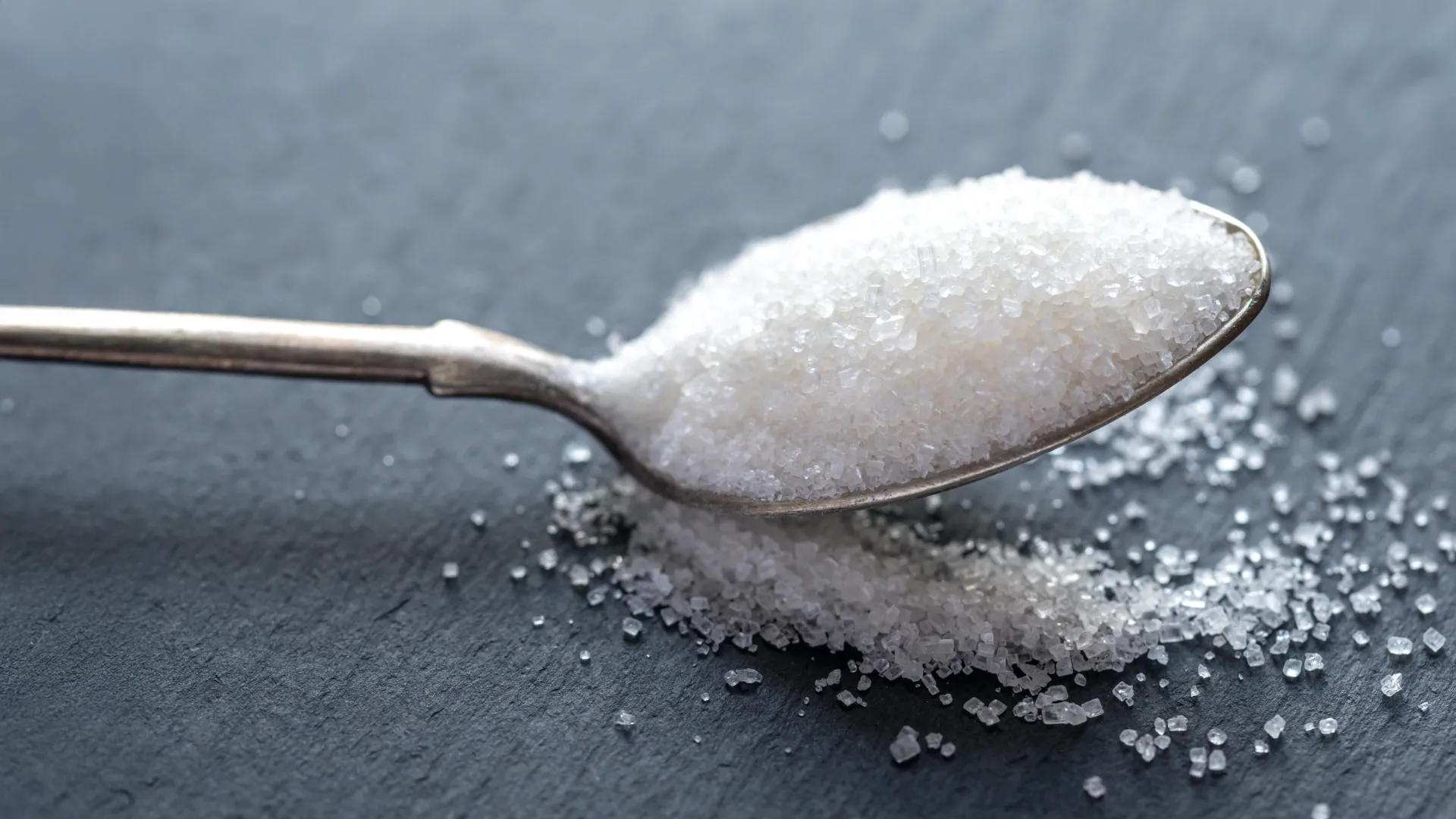
For generations, the culinary and scientific communities have pursued the elusive ideal of replicating the satisfying sweetness of sucrose, commonly known as table sugar, without its attendant health detriments. This enduring quest, stretching back over a century, has seen the emergence of various artificial and natural sweeteners, from early synthetic compounds like saccharin to contemporary options derived from plants such as stevia and monk fruit, all striving for the same fundamental objective: to deliver sugar’s familiar palatability while circumventing its drawbacks. The persistent challenge has been to discover a substitute that not only provides the characteristic taste of sugar but also avoids the pitfalls of excessive caloric intake, dental erosion, and the increased susceptibility to conditions like obesity, insulin resistance, and type 2 diabetes.
A recent scientific investigation, detailed in the journal Cell Reports Physical Science, indicates that this long-sought objective may be drawing nearer to fruition. Researchers affiliated with Tufts University have successfully devised a novel biosynthetic pathway for the production of tagatose, a naturally occurring monosaccharide that is exceptionally scarce in its native form. Tagatose possesses a remarkable ability to closely emulate the taste profile of granulated sugar, presenting a compelling possibility for consumers to indulge in sweetness with a significantly reduced impact on their health. Moreover, preliminary findings suggest that tagatose might even confer additional health advantages.
The inherent nature of tagatose, and its origins, are rooted in its presence within natural food sources, albeit in minute concentrations when contrasted with prevalent sugars such as glucose, fructose, and sucrose. Its existence is primarily observed in milk and other dairy products, where it arises from the breakdown of lactose under the influence of heat or enzymatic processes. This transformation is a common occurrence during the artisanal production of fermented dairy goods like yogurt, cheese, and kefir. Beyond dairy, minuscule quantities of tagatose can also be detected in certain fruits, including apples, pineapples, and oranges. However, in these botanical sources, tagatose typically constitutes less than a mere 0.2% of the total sugar content. Consequently, due to its inherent scarcity in readily extractable forms, tagatose is predominantly synthesized through industrial manufacturing processes rather than being directly harvested from food items.
The conventional methods employed for the commercial production of tagatose have historically been characterized by their inefficiency and considerable expense, as articulated by Nik Nair, an associate professor of chemical and biological engineering at Tufts University. To surmount these limitations, the research consortium embarked on developing an innovative manufacturing strategy that leverages the metabolic capabilities of genetically modified bacteria. The team engineered strains of Escherichia coli, a common bacterium, to function as microscopic bio-factories. These modified microbes were equipped with a specific set of enzymes designed to meticulously convert abundant supplies of glucose into tagatose. This bio-engineered approach is substantially more economically viable compared to prior methodologies that relied on galactose, a less abundant and more costly precursor.
Central to this groundbreaking biosynthesis is the incorporation of a newly identified enzyme, originating from slime mold, designated as galactose-1-phosphate-selective phosphatase (Gal1P). This crucial enzyme empowers the engineered bacteria to synthesize galactose directly from glucose. Subsequently, another enzyme produced by these same bacterial factories, known as arabinose isomerase, facilitates the conversion of the generated galactose into the desired tagatose. Employing this sophisticated biosynthetic cascade, the genetically modified E. coli strains demonstrate an impressive capacity to transform glucose into tagatose with conversion yields reaching as high as 95%. This represents a dramatic improvement over traditional manufacturing techniques, which typically achieve yields ranging from 40% to 77%. The enhanced efficiency inherently translates into a significantly more cost-effective production process.
From a sensory and physiological perspective, tagatose offers a compelling profile. It delivers approximately 92% of the sweetness intensity associated with sucrose, while simultaneously boasting roughly 60% fewer calories. Its safety for consumption in food products has been formally recognized by the U.S. Food and Drug Administration (FDA), which has designated it as "generally recognized as safe" (GRAS). This esteemed classification is shared by numerous ubiquitous ingredients integral to our diets, such as salt, vinegar, and baking soda.
A significant advantage of tagatose, particularly for individuals managing diabetes, lies in its unique metabolic fate within the human body. Unlike sucrose, which is largely absorbed in the small intestine, a substantial portion of tagatose undergoes fermentation by the gut microbiota in the colon. This differential absorption and metabolism result in a considerably diminished impact on postprandial blood glucose and insulin levels when compared to conventional sugars. Clinical investigations have consistently demonstrated only minimal fluctuations in plasma glucose or insulin concentrations following the consumption of tagatose.
Furthermore, tagatose exhibits potential benefits for oral hygiene. In contrast to sucrose, which serves as a primary fuel source for bacteria implicated in the development of dental caries, tagatose appears to inhibit the proliferation of certain detrimental oral microbes. Emerging research also suggests that tagatose may possess prebiotic-like properties, fostering the growth of beneficial bacteria in both the oral cavity and the gastrointestinal tract.
The functional attributes of tagatose extend beyond its sweetening properties, making it a versatile ingredient in culinary applications. Due to its low caloric content and limited absorption, tagatose functions effectively as a "bulk sweetener." This means it can substitute for sugar not only to impart sweetness but also to replicate the physical characteristics that sugar contributes to the structure and texture of baked goods and other prepared foods. This volumetric contribution is a capability that high-intensity sweeteners often cannot match. When subjected to heat, tagatose undergoes browning reactions akin to table sugar, and sensory evaluations conducted through taste tests confirm that it closely approximates the flavor and mouthfeel of conventional sucrose.
The paramount innovation underpinning this advancement in tagatose biosynthesis resides in the identification and integration of the slime mold’s Gal1P enzyme into the production bacteria, as highlighted by Professor Nair. This strategic molecular engineering enabled the researchers to effectively reverse a natural biological pathway that typically metabolizes galactose into glucose. Instead, the modified pathway now facilitates the generation of galactose from readily available glucose feedstock. This pivotal step not only unlocks the efficient synthesis of tagatose but also establishes a foundational platform for the potential biosynthesis of other rare sugars through analogous biotechnological approaches. The implications of this discovery are profound, potentially catalyzing a paradigm shift in the methods of sweetener production and their subsequent application across the food industry and beyond.
About the Author