A comprehensive investigation conducted in the Western Highlands of Guatemala by researchers from Washington State University has brought to light a significant disparity between public perception of drinking water safety and the actual microbiological quality of commonly consumed sources. The study, published in the esteemed Journal of Water and Health, meticulously examined eleven distinct water sources, revealing that the very bottled water products often held in high regard for their perceived purity were, in fact, the most frequently contaminated with coliform bacteria, a potent indicator of fecal pollution. This finding carries profound implications for public health strategies in regions where access to reliably safe water remains a critical challenge.
The research team embarked on an in-depth analysis within sixty households, carefully selecting an equal representation from both urban and rural settings. Their methodology involved a dual approach: first, gathering detailed insights into residents’ beliefs and perceptions regarding the safety of their drinking water, and second, collecting water samples for rigorous laboratory analysis. The collected samples were subjected to stringent testing for the presence of coliform bacteria, the specific bacterium Escherichia coli (E. coli), and crucially, antibiotic-resistant organisms such as extended-spectrum beta-lactamase-producing (ESBL) bacteria and carbapenem-resistant Enterobacterales (CRE). These latter categories of bacteria represent a growing global health menace, possessing the alarming ability to withstand many standard antibiotic treatments, thereby rendering infections they cause exceptionally difficult to manage. While these particular bacteria can often reside benignly within the human digestive system, their introduction into other bodily systems, such as the urinary tract or bloodstream, can precipitate severe and life-threatening conditions.
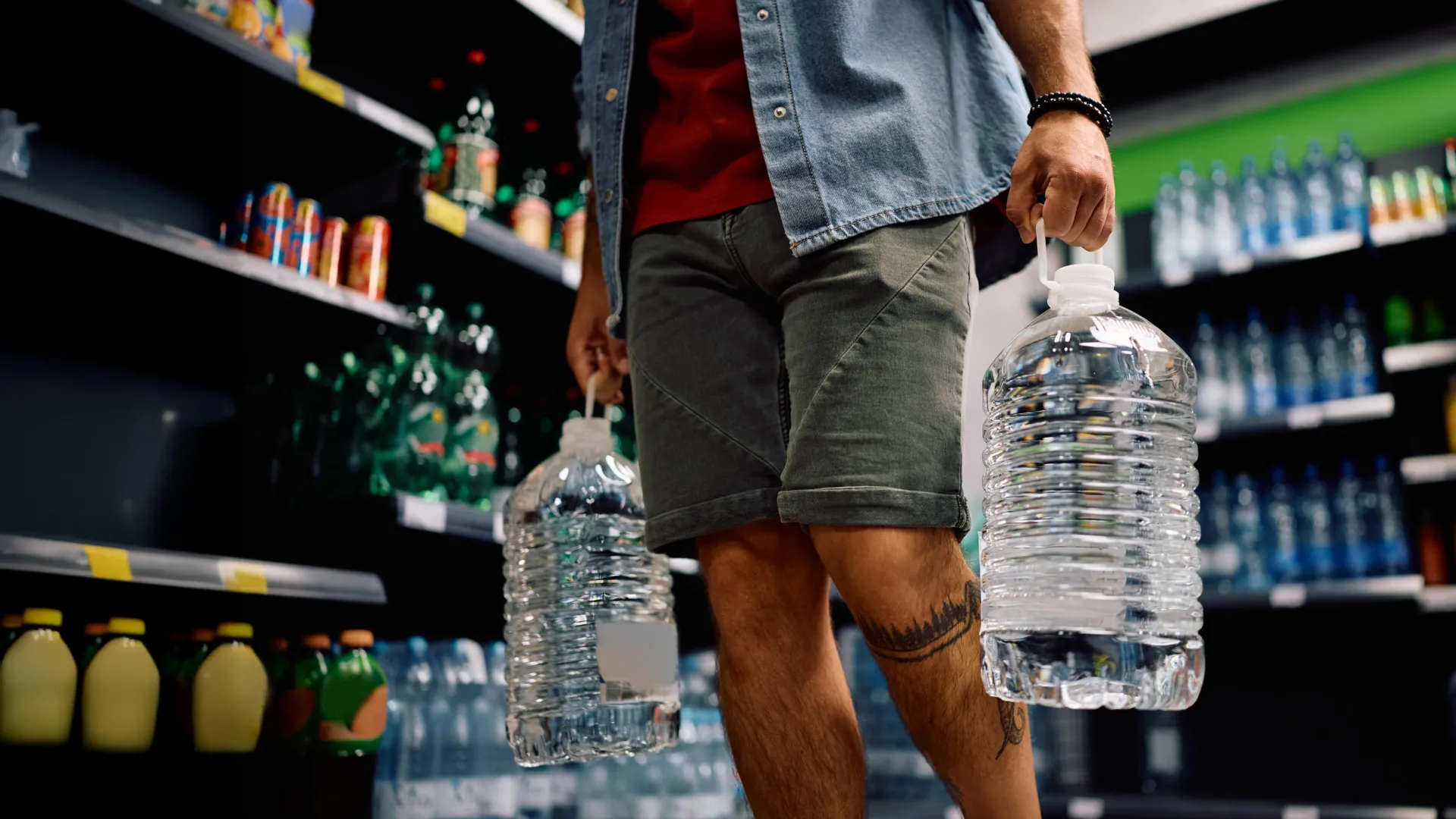
A particularly striking outcome of the study was the elevated prevalence of contamination within bottled water supplies. Despite their widespread acceptance as a safe alternative, these water sources tested positive for coliform bacteria at a rate six times higher than other examined water types. The World Health Organization’s stringent standards for potable water were met by a mere 17% of the bottled water samples collected. In Guatemala, these large refillable jugs of bottled water constitute a primary source of drinking water for a substantial portion of the population. The process typically involves refilling these containers at local purification facilities or neighborhood refill stations, where the water undergoes treatment, is sealed, and subsequently distributed to both residential and commercial establishments.
Dr. Brooke Ramay, the lead author of the study and an assistant research professor at WSU’s Paul G. Allen School for Global Health, articulated the core concern arising from these findings. "We observed a distinct disconnect between the public’s understanding of water safety and the actual conditions present within their homes, a situation that carries significant ramifications for public health," Dr. Ramay stated. She further elaborated on the findings regarding bottled water, suggesting that the issue might not lie primarily with the initial bottling process itself. Instead, she posited that post-bottling handling and storage could be creating an environment conducive to bacterial proliferation. "These large jugs can be stored improperly, and the dispensing mechanisms are not consistently cleaned, which we believe can foster ideal conditions for bacterial growth," she explained.
The pervasive nature of bacterial contamination extended across a broad spectrum of water sources examined in the study. Coliform bacteria were detected in an overwhelming 90% of all water sources tested. E. coli was identified in 55% of samples, and ESBL-producing bacteria were present in 30% of them. While CRE bacteria were found in fewer instances, their presence was nonetheless noted in some household piped water samples. The detection of these organisms in drinking water is a source of significant concern, not only for the immediate health risks they may pose but also for their potential to contribute to the wider spread of antibiotic resistance, even in instances where they do not elicit overt illness.
The research also underscored the critical role that societal beliefs and trust play in shaping public health behaviors. Individuals who express a high degree of confidence in the safety of their water source are demonstrably less likely to engage in essential precautionary measures, such as boiling or treating their water. Similarly, those who rely heavily on bottled water often forgo the necessary step of regularly cleaning the dispensing equipment. "Our findings suggest that assumptions about water safety can inadvertently contribute to contamination, as individuals may not implement the same hygienic practices for sources they trust as they would for those they perceive as less secure," Dr. Ramay observed.
Conversely, the study identified protected municipal wells as the safest water sources, exhibiting the lowest levels of contamination. This was particularly noteworthy as residents tended to rate these sources lower in terms of perceived safety. These community wells, characterized by their sealed systems and chlorination, demonstrated an absence of coliform contamination and no detectable levels of E. coli, ESBL, or CRE bacteria. However, the narrative shifted dramatically once this municipal water was channeled through pipes into individual households. Within homes, the contamination levels surged considerably. More than 65% of household water samples yielded positive results for coliform bacteria, while 28% tested positive for E. coli, 11% for ESBL, and another 11% for CRE.
The broader context of unsafe drinking water as a persistent global health crisis cannot be overstated. It is estimated that over 4 billion individuals worldwide lack access to safely managed water services. Fecal contamination of water sources is a primary driver of millions of diarrheal disease cases annually, disproportionately affecting young children. Furthermore, there is a growing body of evidence linking contaminated water to the escalating challenge of antimicrobial resistance. Understanding the intricate interplay between public perception, actual water quality, and ingrained behaviors is therefore paramount for the effective improvement of public health outcomes. As Dr. Ramay emphasized, "Comprehending how individuals perceive water safety is fundamental to enhancing public health. When people are convinced their water is safe, they are less inclined to adopt protective measures. Conversely, when they recognize a potential risk, their behavior tends to shift towards greater caution."
About the Author