A landmark scientific investigation has successfully reconstructed the genome of Treponema pallidum from human remains dating back approximately 5,500 years, unearthed in the Sabana de Bogotá region of Colombia. This monumental discovery, detailed in the prestigious journal Science, dramatically reconfigures humanity’s understanding of the historical reach and evolutionary trajectory of treponemal infections, which encompass severe diseases such as syphilis, yaws, and bejel in contemporary populations. The genetic evidence gathered from these ancient bones pushes back the known timeline of these pathogens by over three millennia, offering unprecedented insights into their deep past in the Americas.
The skeletal material, meticulously excavated from a rock shelter situated near modern-day Bogotá, provided a unique window into the biological landscape of prehistoric human communities. Prior to this finding, the genetic history of Treponema pallidum was understood to span a much shorter period. This ancient genome, however, now bolsters theories suggesting that treponemal diseases were circulating across the American continents far earlier than previous archaeological and historical records indicated, challenging long-held assumptions about their global distribution and emergence.
Geneticist Lars Fehren-Schmitz, affiliated with the University of California, Santa Cruz, underscored the profound implications of this research. "Our findings unequivocally demonstrate the extraordinary capacity of paleogenomics to illuminate the evolutionary pathways of species and to identify potential health hazards for both ancestral and contemporary societies," he stated. This sentiment highlights how the study of ancient DNA is revolutionizing our comprehension of disease ecology and human-pathogen co-evolution.
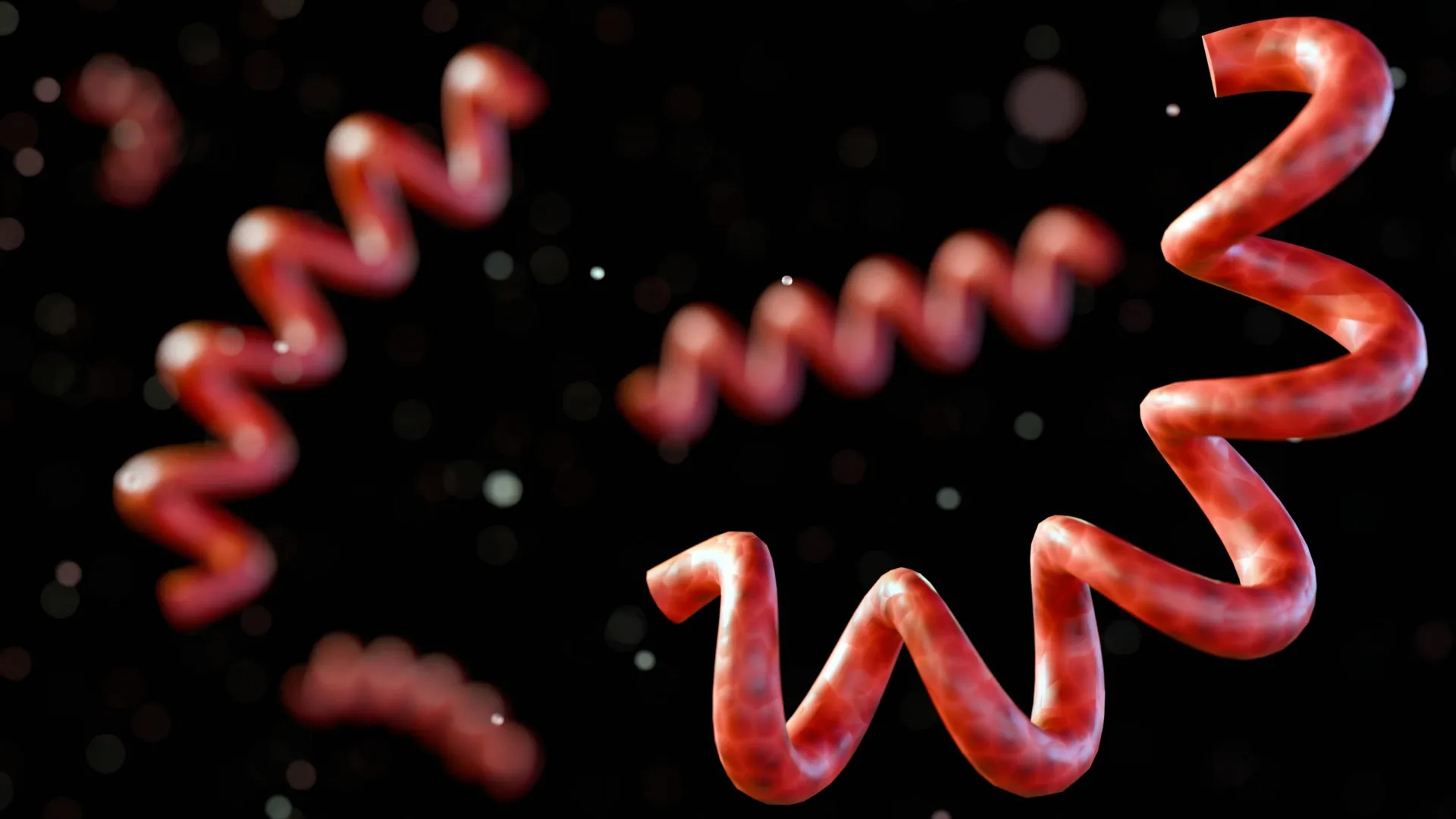
Treponemal diseases are a group of infections caused by spirochete bacteria belonging to the genus Treponema. The primary species, Treponema pallidum, is notoriously adept at evading the immune system and has diversified into several subspecies, each responsible for distinct clinical manifestations. Treponema pallidum subspecies pallidum causes venereal syphilis, a sexually transmitted infection with widespread systemic effects. Treponema pallidum subspecies pertenue leads to yaws, a chronic skin, bone, and cartilage infection prevalent in humid, tropical regions and typically transmitted through direct skin contact. Treponema pallidum subspecies endemicum is the causative agent of bejel (also known as endemic syphilis), a non-venereal disease primarily affecting skin, bones, and mucous membranes, common in arid, communal environments. A fourth condition, pinta, characterized by skin lesions, is caused by Treponema carateum or Treponema pallidum subspecies carateum. Intriguingly, a complete genome for the pathogen responsible for pinta has yet to be successfully sequenced, leaving its precise evolutionary relationships and classification somewhat ambiguous.
Despite the significant differences in their modes of transmission, geographical distribution, and clinical presentations, these various forms of treponemal diseases share an astonishingly similar genetic blueprint. This genetic homogeneity has long posed a formidable challenge for scientists attempting to pinpoint when and how these distinct disease syndromes diverged. While skeletal remains can sometimes bear tell-tale signs of chronic infection, such as characteristic bone lesions, the genetic evidence often narrates a far more intricate and expansive story. Significant gaps have historically persisted between the insights gleaned from physical anthropological examination of bones and the definitive confirmations offered by ancient DNA analysis concerning disease evolution.
The groundbreaking aspect of this particular investigation lies in the identification of an ancient Treponema pallidum strain that, while unequivocally belonging to the species, does not precisely match any of the currently recognized forms responsible for human disease. Although closely related to contemporary strains, the reconstructed ancient genome appears to represent a lineage that diverged very early in the bacterium’s evolutionary history. This suggests the existence of a "lost lineage" or an ancient form of the pathogen that has since become extinct or significantly transformed.
Anna-Sapfo Malaspinas, a group leader at the SIB Swiss Institute of Bioinformatics and associated with the University of Lausanne, offered a compelling hypothesis regarding this unique strain. "One intriguing possibility is that we have unearthed an ancient variant of the pathogen that causes pinta, a disease about which our understanding remains limited, but which is known to be endemic in Central and South America and typically manifests with localized skin symptoms," Malaspinas proposed. She further clarified, "While we cannot definitively prove this at present, it certainly represents a promising avenue for further inquiry."
Detailed genetic analysis conducted by the research team estimates that this ancient strain separated from other T. pallidum lineages approximately 13,700 years ago. This timeline contrasts sharply with the estimated divergence of the three modern subspecies, which appear to have branched off much more recently, around 6,000 years ago. These chronological findings lend substantial support to earlier research suggesting a far greater diversity among treponemal pathogens in the distant past than previously appreciated.
Elizabeth Nelson, a molecular anthropologist and paleopathologist at Southern Methodist University (SMU), emphasized the study’s contribution to ongoing debates. "Existing genomic evidence, combined with the genome we have presented here, does not definitively resolve the long-standing controversy surrounding the precise geographical origins of the various disease syndromes themselves. However, it unequivocally demonstrates a profound and extensive evolutionary history of treponemal pathogens that were already diversifying within the Americas many thousands of years earlier than was previously documented," Nelson articulated.
The inherent genetic similarity among Treponema pallidum strains, despite their vastly different modes of transmission and clinical outcomes, makes tracing the precise origins and evolutionary pathways of treponemal diseases exceptionally challenging. Davide Bozzi, a researcher at the University of Lausanne and SIB Swiss Institute of Bioinformatics, highlighted the broader implications of their findings: "Our results effectively push back the known period of T. pallidum‘s association with human populations by thousands of years, potentially extending beyond 10,000 years ago, into the Late Pleistocene epoch." This deep historical connection underscores a long and intricate co-evolutionary dance between humans and these elusive pathogens.
This groundbreaking discovery is built upon years of extensive archaeological and genetic investigations at the Tequendama 1 site, a significant rock shelter known for its continuous human occupation over millennia. Earlier collaborative studies led by archaeologist Miguel Delgado of the Universidad Nacional de La Plata in Argentina, alongside Fehren-Schmitz, had already provided a comprehensive background on the skeletal remains and their archaeological context, laying the groundwork for this latest paleogenomic triumph.
The identification of the ancient pathogen was not an initial objective of the research. Scientists originally undertook sequencing the individual’s DNA with the primary goal of investigating ancient human population history in the region. This endeavor generated an immense dataset comprising approximately 1.5 billion fragments of genetic material, a volume far exceeding typical yields in ancient DNA studies. During routine screening processes, research teams operating independently at the University of California, Santa Cruz, and the University of Lausanne, serendipitously detected minute traces of T. pallidum DNA. Recognizing the immense potential of this unexpected find, they subsequently decided to pool their expertise and resources to investigate it collaboratively.
Despite the fact that bacterial DNA constituted only a minuscule fraction of the total genetic material recovered, the extraordinary depth of the sequencing allowed the multidisciplinary team to reconstruct a near-complete genome of the ancient pathogen. Crucially, this was achieved without the necessity of employing specialized enrichment techniques typically required for targeting specific microbial DNA, a testament to the power of high-throughput sequencing and meticulous bioinformatics analysis.
It is important to note that the diseases caused by T. pallidum—bejel, yaws, and syphilis—do not invariably leave discernible marks on bones. Skeletal manifestations typically occur only under specific conditions and are not present in all infected individuals. Historically, most ancient genomes of this bacterium have been successfully recovered from teeth or bone samples that exhibited clear, macroscopic signs of disease. In stark contrast, the skeleton examined in this study presented no visible evidence of infection. The researchers ingeniously sampled a tibia, or shin bone, a skeletal element not commonly favored for ancient DNA studies due to its lower preservation potential compared to denser bones or teeth. The resounding success of this novel approach suggests that even bones lacking obvious disease markers can serve as invaluable repositories of ancient genetic information, thereby expanding the potential scope of paleopathological investigations.
Understanding the emergence, diversification, and historical trajectory of infectious diseases holds profound relevance for contemporary public health. By meticulously charting how pathogens evolved and adapted in the past, scientists aim to develop a more robust framework for anticipating how they might mutate and spread in the future. This invaluable knowledge can significantly enhance modern societies’ preparedness strategies for potential health crises, including emerging epidemics and pandemics, and inform the development of new therapeutic interventions and vaccines.
Before the official publication of their findings, the research team demonstrated an exemplary commitment to ethical research practices by sharing their discoveries with local communities in Colombia. They recognized the deep cultural and medical significance of the discovery for the country. This engagement involved extensive consultations with local scholars, students, and both Indigenous and non-Indigenous community members, as well as stakeholder engagement through presentations and interviews. Furthermore, all necessary permits for the export and study of the ancient remains were scrupulously obtained, ensuring adherence to national and international regulations.
Delgado emphasized the critical nature of this collaborative and respectful approach. "This process was absolutely essential because these findings are intimately interwoven with Colombia’s rich medical and cultural heritage," he stated. "Engaging scholars, students, and both Indigenous and non-Indigenous community members ensures that the research results are communicated ethically and interpreted in genuine partnership with local communities. Such an approach fosters trust, promotes the responsible stewardship of sensitive scientific discoveries, and ultimately reinforces local ownership of this crucial knowledge."
This monumental undertaking represents a triumph of international scientific collaboration. In addition to the aforementioned Nelson, Bozzi, Malaspinas, Delgado, and Fehren-Schmitz, the research was also co-led by Nasreen Broomandkhoshbacht, currently affiliated with the University of Vermont. The extensive interdisciplinary team further included Kalina Kassadjikova from the University of California, Santa Cruz; Jane Buikstra of Arizona State University; Carlos Eduardo G. Amorim from California State University, Northridge; Melissa Estrada Pratt of the Instituto Colombiano de Antropología e Historia in Bogotá, Colombia; Gilbert Greub from the University of Lausanne and Lausanne University Hospital in Switzerland; Nicolas Rascovan of the Institut Pasteur in Paris; and David Šmajs from Masaryk University in the Czech Republic. Their collective expertise in archaeology, paleogenomics, molecular anthropology, and bioinformatics was instrumental in unraveling this ancient biological mystery.
About the Author