As individuals navigate the landscape of their mid-forties and beyond, a discernible shift often occurs in physical capabilities, particularly concerning the strength and resilience of the upper limbs. This gradual attenuation of muscular power, known clinically as sarcopenia, is a natural physiological process characterized by the progressive loss of muscle mass and function. While the phenomenon is universal, its impact on daily life—ranging from the effort required to lift groceries to the stability needed for household tasks—is profound, diminishing autonomy and overall quality of life. The conventional wisdom often points towards traditional weightlifting, specifically using dumbbells, as the primary antidote. However, a growing body of evidence and practical experience suggests that for comprehensive and functional restoration of strength, a more integrated, body-centric approach may yield superior and more sustainable results, particularly for mature adults whose bodies benefit from gentler, more coordinated movements.
The decline in arm strength after the age of 45 is rarely an abrupt event, nor is it solely attributable to the cessation of effective response to isolated resistance training tools like dumbbells. Instead, it frequently stems from a broader systemic disengagement, where everyday activities no longer sufficiently challenge the intricate network of muscles responsible for supporting, stabilizing, and orchestrating the entire upper body kinetic chain. Traditional dumbbell exercises, while effective for hypertrophy and isolated strength gains, frequently segment muscle groups, often sidelining crucial elements such as postural integrity, inter-muscular coordination, and sustained muscular endurance. The result is musculature that might appear strong in isolation but lacks the integrated functional capacity demanded by real-world movements.
An advanced understanding of biomechanics and physiological adaptation reveals that a more effective strategy for revitalizing upper body strength involves fostering holistic development. This paradigm emphasizes building strength through prolonged muscular engagement, incorporating joint-protective angles, and promoting seamless whole-body coordination. When the skeletal alignment is optimized—meaning the shoulders are properly positioned over the hips, the elbows execute movements with deliberate control, and the hands maintain a strong, purposeful connection to the core—arm strength tends to rebound more rapidly and endure for extended periods. This comprehensive methodology prioritizes the cultivation of truly usable strength, the kind that empowers individuals in their daily endeavors, rather than merely inducing a temporary "pump" or superficial muscular enlargement.
The foundational principles for this restorative approach are rooted in several key physiological concepts. First, sustained tension encourages a broader recruitment of muscle fibers, including those typically less activated during quick, explosive movements. This prolonged engagement also enhances muscular endurance and strengthens connective tissues, fortifying the joints against strain. Second, joint-friendly angles are paramount, especially as joint cartilage may thin and ligaments become less elastic with age. Exercises designed to work within natural, comfortable ranges of motion minimize stress and reduce the risk of injury, promoting consistent, long-term adherence. Third, whole-body coordination recognizes that the human body operates as a kinetic chain. The arms do not function in isolation; their power and stability are intrinsically linked to the core and the rest of the torso. By integrating these elements, movements become more efficient, powerful, and less prone to compensatory strain. Finally, reactivating stabilizing muscles—often small, deep muscles that support joints—is critical. These muscles are frequently neglected in isolated training but are indispensable for joint integrity, injury prevention, and the efficient transmission of force from larger prime movers. Consistent application of these principles, through specific daily movements, cultivates a robust and functional upper body.
Herein lies a structured daily regimen of four exercises designed to reactivate crucial stabilizing muscles, enhance muscular endurance, and re-educate the neuromuscular pathways that link the arms to the core. When consistently practiced, these movements are engineered to rebuild practical strength that manifests in everyday tasks such as lifting, carrying, pushing, and providing bodily support throughout the day.
The Wall-Assisted Vertical Press
A common misconception is that the initial decline in arm power originates solely from the biceps or triceps. In reality, the foundation of upper body strength, particularly for pushing movements, frequently deteriorates first at the shoulder girdle. The Wall-Assisted Vertical Press addresses this by reconstructing pressing power while simultaneously safeguarding the delicate shoulder joints. This is achieved by maintaining an upright, supported body posture. The act of pushing against an unyielding surface, such as a wall, inherently compels a synchronous engagement of the pectoral muscles, deltoids, triceps, and core musculature, preventing the segmental isolation often seen in traditional free-weight exercises.
By ensuring the body’s alignment remains ‘stacked’—meaning the head, shoulders, hips, and ankles are vertically aligned—the arms are retrained to generate propulsive force without imposing undue strain on individual joints or muscles. This sustained, isometric pressure serves a dual purpose: it significantly improves muscular endurance, crucial for prolonged effort, and enhances joint integrity by strengthening the surrounding musculature. This exercise, therefore, emerges as a potent daily alternative to conventional dumbbell pressing, offering a safer yet profoundly effective pathway to revitalized pushing strength and shoulder health. Its real-world application is broad, aiding in tasks like pushing open heavy doors, lifting objects onto shelves, or even standing up from a seated position with greater ease.
Integrated Shoulder Stability Hold
Many individuals experience a reduction in overall arm efficacy because their shoulders fail to provide a stable, anchored platform for movement. When the shoulder blades—the scapulae—are permitted to drift excessively forward or upward, the arms are deprived of their essential base of support, leading to premature fatigue and reduced force output. The Integrated Shoulder Stability Hold specifically targets this issue by teaching the shoulders to remain firmly rooted and stabilized while the arms maintain a controlled, isometric tension.
This exercise involves holding the arms in a specific position, which intrinsically builds endurance throughout the shoulders, the upper arms, and the muscles of the upper back simultaneously. The focus is on engaging the scapular retractors and depressors, effectively "setting" the shoulders in an optimal position. This type of integrated, sustained strength directly translates into improved capacity for tasks requiring sustained arm effort, such as carrying heavy bags, holding a child, or maintaining posture during prolonged standing. By reinforcing this stable foundation, the entire upper limb system operates more efficiently, reducing compensatory movements and enhancing overall functional strength.
Elevated Bodyweight Push-Up Isometric
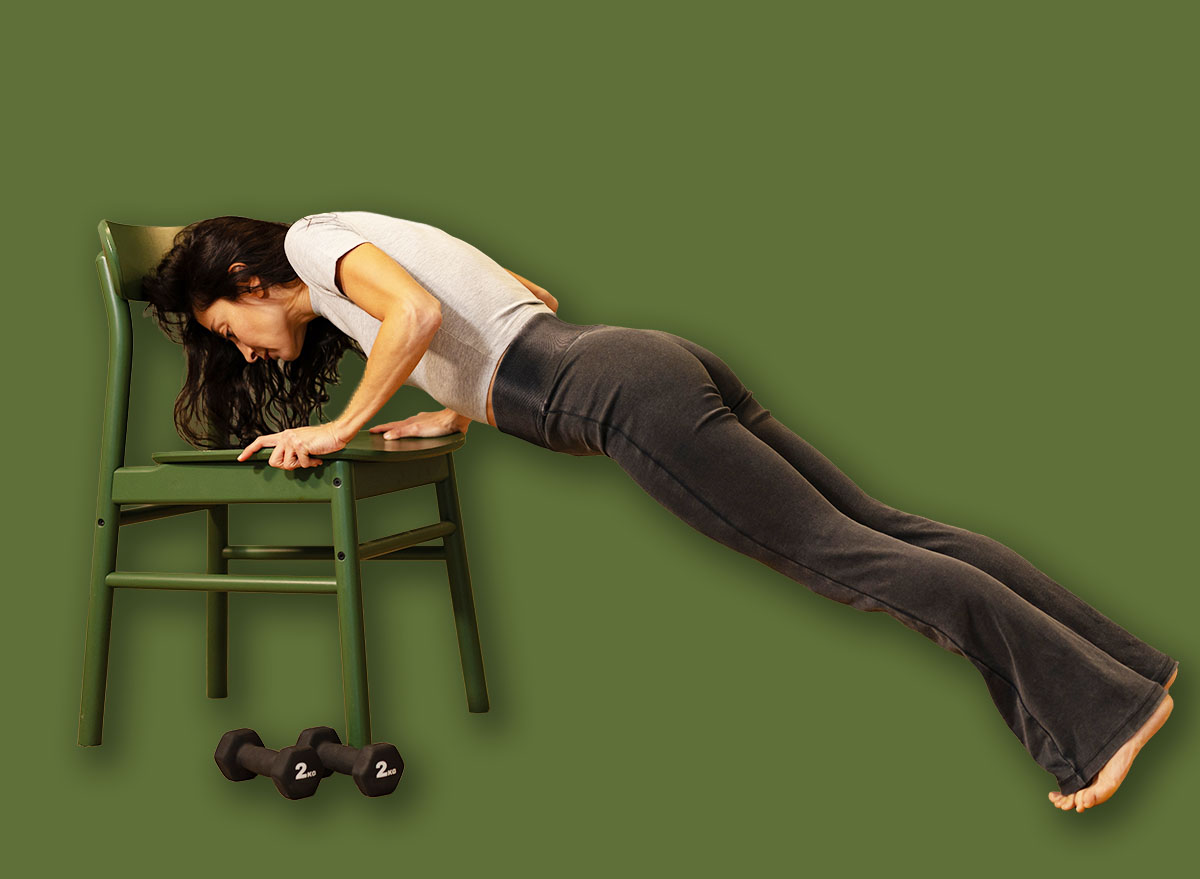
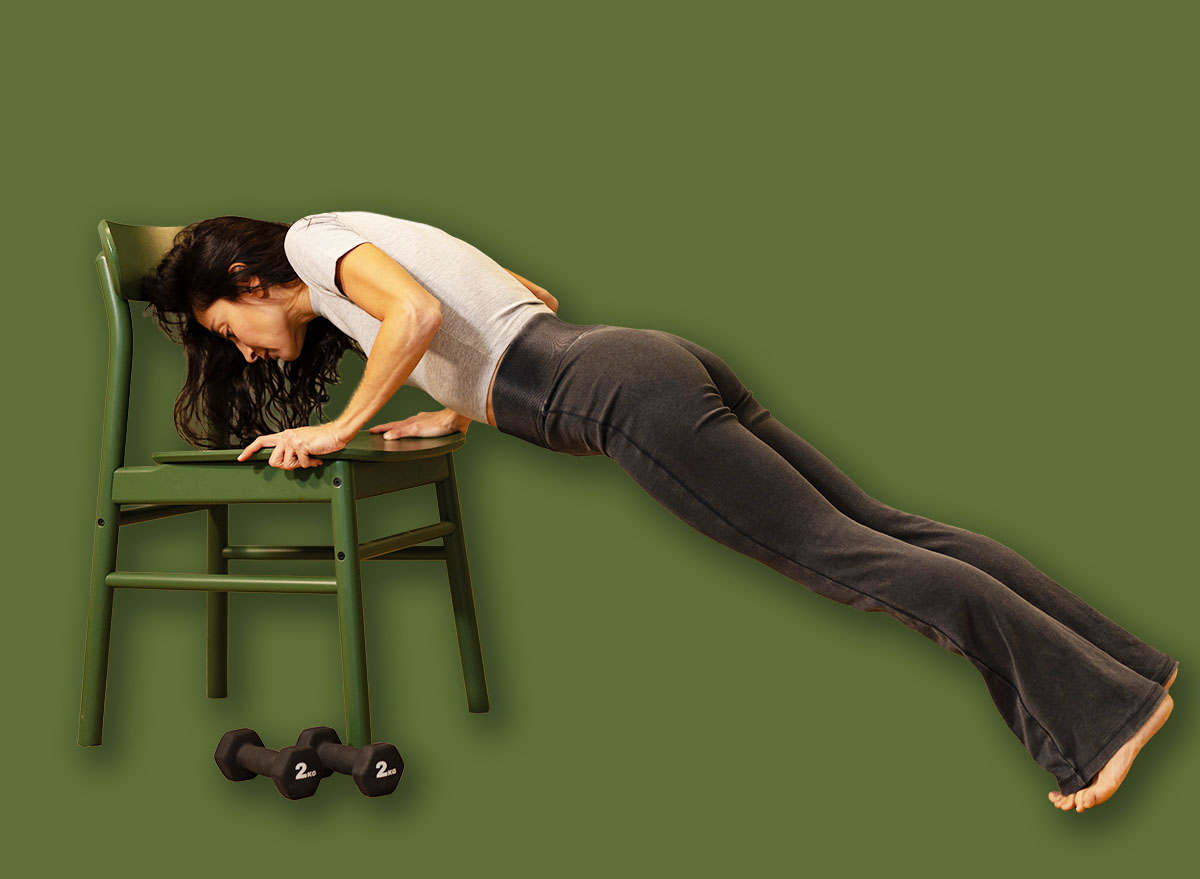
The ability to generate pushing force is a fundamental aspect of upper body strength, and its decline significantly impacts daily activities. The Elevated Bodyweight Push-Up Isometric is designed to rebuild this crucial pushing power by utilizing body weight against an elevated surface (like a kitchen counter or a sturdy chair), thereby mitigating the high-impact stress often associated with traditional floor push-ups. This approach allows individuals to engage the triceps, shoulders, and chest muscles continuously, while the core actively stabilizes the torso, creating a full-body engagement.
The core principle of this exercise is the static hold, which maximizes the time the muscles spend under tension. This method is remarkably effective at restoring strength and building endurance more efficiently than rapid, repetitive movements. By adjusting the angle—moving closer to or further from the elevated surface—the intensity can be precisely controlled, making it accessible for varying fitness levels. Consistent daily practice not only improves arm endurance but also cultivates a profound sense of joint confidence, reducing apprehension during pushing tasks and strengthening the entire anterior kinetic chain, essential for actions like moving furniture or pushing a lawnmower.
Controlled Arm Retraction Sweep
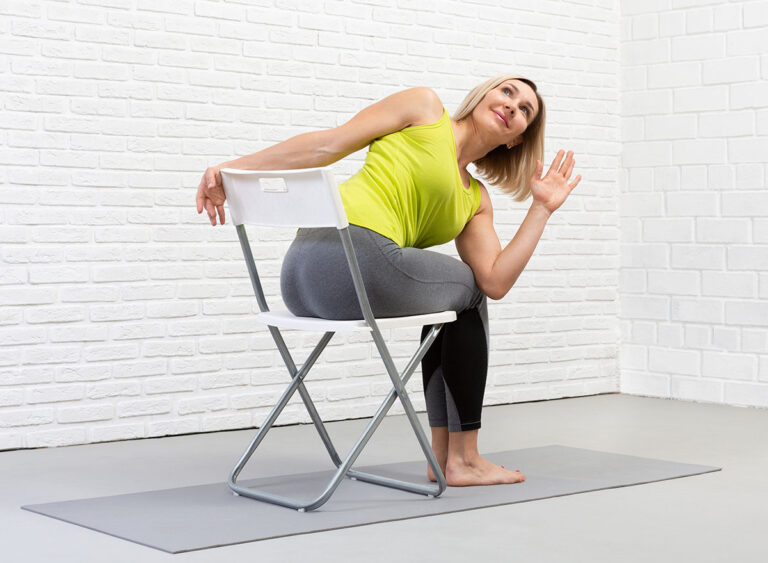
Weakness in the upper arms frequently manifests as compromised coordination between the elbow and shoulder joints. The Controlled Arm Retraction Sweep specifically addresses this disconnect by strengthening the arms through a deliberate, controlled range of motion, concurrently reinforcing optimal posture. The action of sweeping the arms backward dynamically activates the triceps—often an underutilized muscle group crucial for both arm extension and stability—and the muscles of the upper back. This combined activation is vital for fostering long-term, sustainable arm strength and proper shoulder mechanics.
By emphasizing precision and control throughout the entire sweep movement, this exercise effectively builds muscular endurance without imposing undue strain on the joints. The focus on the coordinated movement of the elbow and shoulder ensures that the entire arm functions as a cohesive unit. Over time, consistent engagement with this exercise not only improves muscular tone and strength in the arms but also enhances postural alignment by strengthening the muscles responsible for pulling the shoulders back and down. This translates into improved efficiency for tasks involving reaching, pulling, and maintaining an upright, confident stance, contributing significantly to overall upper body vitality.
In conclusion, the journey to restore and enhance upper extremity strength beyond mid-life is best approached not through isolated muscle targeting, but through an integrated framework that respects the body’s holistic design. By embracing these four functional, daily exercises—the Wall-Assisted Vertical Press, the Integrated Shoulder Stability Hold, the Elevated Bodyweight Push-Up Isometric, and the Controlled Arm Retraction Sweep—individuals can systematically rebuild foundational strength, improve joint integrity, and cultivate robust endurance. This paradigm shift from superficial muscle building to deep, functional integration empowers a renewed sense of physical capability, enabling a richer, more active engagement with the demands and joys of everyday living. Consistency, mindful execution, and a commitment to these integrated movement patterns are the cornerstones of a truly resilient and age-defying upper body.
About the Author