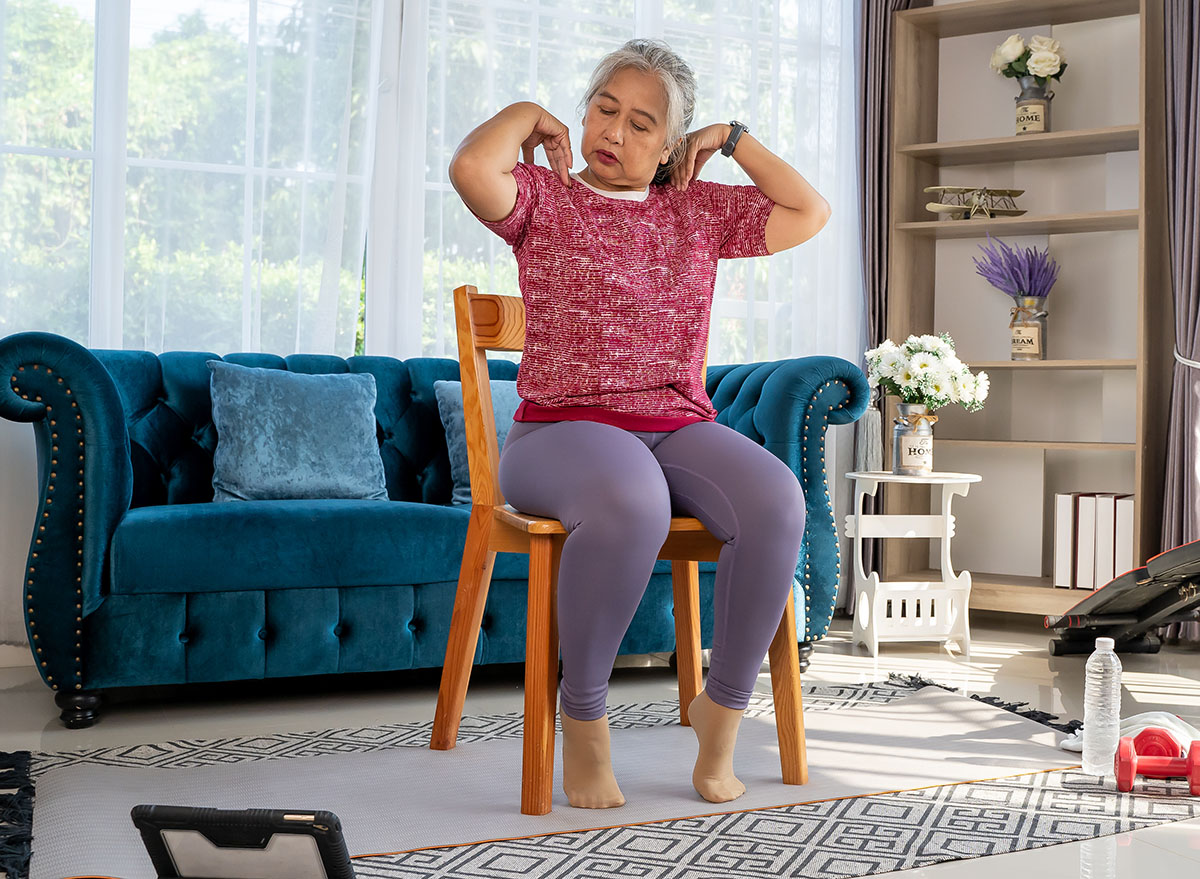
As individuals navigate the natural progression of aging, particularly after the age of 50, numerous physiological shifts can impact physical appearance and functional capacity. Among the most commonly cited concerns for women in this demographic is the perceived loss of firmness in the upper arms. This phenomenon, often colloquially referred to, stems from a confluence of factors including hormonal fluctuations, diminished skin elasticity, and the age-related decline in muscle mass known as sarcopenia. While these changes are an inherent part of the aging process, contemporary fitness science strongly indicates that targeted resistance training can effectively mitigate these effects, fostering enhanced strength, improved muscle definition, and greater overall physical independence.
The human body undergoes a complex series of transformations over a lifetime. For women, the period surrounding menopause often ushers in significant hormonal shifts, particularly a decrease in estrogen. This reduction can influence body composition, sometimes leading to an increase in adipose tissue accumulation and a more challenging environment for muscle maintenance. Concurrently, the body’s production of vital proteins like collagen and elastin, which are crucial for skin structure and elasticity, also wanes. This dual impact of reduced muscular support and decreased skin tautness contributes to the noticeable change in upper arm appearance.
Furthermore, the muscles of the upper arm, especially the triceps brachii located at the back of the arm, are particularly susceptible to age-related weakening if not intentionally engaged. Unlike the biceps, which are frequently activated in daily pulling movements, the triceps, responsible for extending the arm, often receive less incidental stimulation through routine activities. This relative underuse accelerates muscle atrophy in this region, leading to a less defined and often softer contour. However, this physiological reality is not an insurmountable barrier to maintaining or even improving upper body strength and tone. Fitness professionals emphasize that muscular tissue retains its responsiveness to resistance training at any age.
Vicki Chimenti, a certified personal trainer and instructor specializing in boxing, strength training, and running, frequently encounters questions from women over 50 regarding arm toning. She highlights that the perceived "looseness" in the upper arms largely results from a reduction in muscle mass and natural definition. Chimenti reassures that rebuilding both tone and strength is entirely achievable, even without access to specialized gym equipment. Similarly, Bethany Prostano, owner and coach at Orangetheory Fitness, underscores the importance of intentional training for the triceps. She notes that consistent strength work can help women over 50 not only rebuild strength and enhance tone but also support crucial aspects like joint health. Prostano articulates a broader perspective, stating, "Strength training isn’t just about appearance, it supports posture, independence and long-term function." This holistic view emphasizes that the benefits of targeted exercise extend far beyond aesthetic improvements, contributing significantly to quality of life.
A particularly effective and accessible approach to addressing upper arm strength and tone is through chair-based exercises. These routines offer a unique advantage by providing inherent stability, which can be invaluable for individuals who may have concerns about balance or joint strain during standing exercises. By anchoring the body, chair exercises allow for focused engagement of the upper body musculature, minimizing the risk of falls or injury. This makes them an ideal choice for varying fitness levels and mobility considerations, facilitating consistent participation in a strength-building regimen.
Chair-based workouts specifically target the primary muscle groups that define the shoulders and arms, encompassing the anterior (front) and posterior (back) regions of the upper limbs. By strengthening these areas, individuals can achieve greater firmness and definition, simultaneously improving overall posture. Chimenti observes that strengthening these areas leads not just to firmer arms, but also to a more confident and powerful way of moving in daily life. Prostano further elaborates that exercises like seated presses and chair dips effectively activate the triceps, shoulders, and biceps, with many variations also engaging the upper back and core. This comprehensive activation contributes to improved posture, which in itself can dramatically alter the perception and feel of the upper body.
Incorporating specific chair exercises into a regular routine can yield significant results. Here are five expert-recommended movements designed to build robust, toned upper arms:

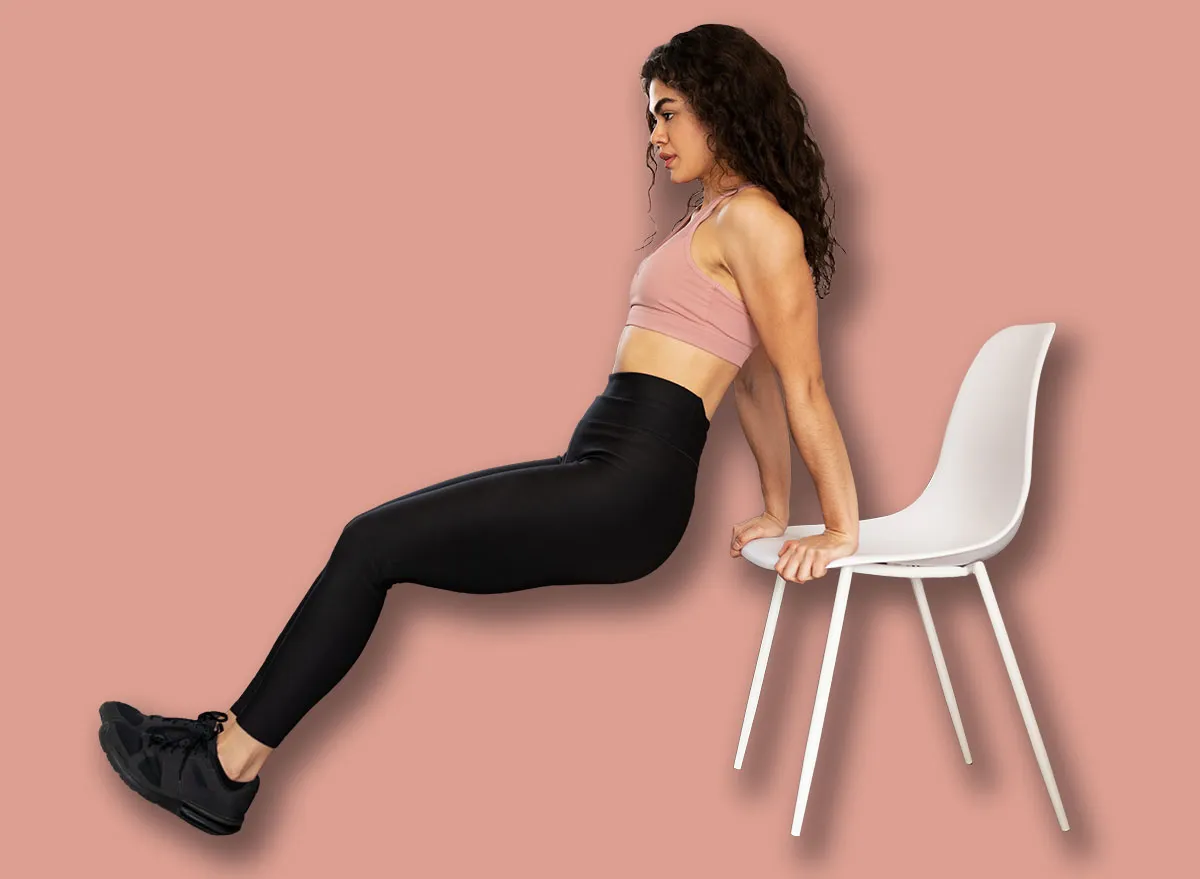
1. Chair Tricep Dips
This exercise directly targets the triceps, the muscle group most commonly associated with a lack of upper arm firmness. To perform a chair tricep dip, begin by sitting on the edge of a sturdy chair with your hands placed firmly on the chair’s edge, fingers pointing forward or slightly to the sides. Your feet should be flat on the floor, hip-width apart, with knees bent at a 90-degree angle. Carefully slide your hips off the chair, supporting your weight with your hands and feet. Ensure your back remains close to the chair. Slowly lower your body by bending your elbows directly backward until they form approximately a 90-degree angle, or to a comfortable depth. Keep your core engaged and chest lifted. Push through your palms to return to the starting position, extending your arms fully but avoiding locking the elbows. For increased difficulty, extend your legs further forward or straighten them completely. For a less challenging version, keep your feet closer to the chair. Aim for 3 sets of 8-12 repetitions, focusing on controlled movement rather than speed.
2. Seated Arm Circles
While seemingly simple, seated arm circles are remarkably effective for engaging the shoulders and improving posture, providing a "big burn" as Chimenti notes. Sit upright in a chair with your back straight and core gently engaged. Extend your arms out to the sides at shoulder height, palms facing down. Begin by making small, controlled circles forward, gradually increasing the size of the circles as your shoulders warm up. After 15-20 repetitions, reverse the direction, performing circles backward. Maintain a steady breath throughout the exercise. To enhance the intensity, hold light hand weights (1-3 pounds) or even household items like soup cans. This exercise not only strengthens the deltoid muscles of the shoulders but also promotes shoulder mobility and endurance, contributing to an overall more defined upper body silhouette.
3. Seated Bicep Curls
This foundational exercise is crucial for toning the front of your arms and maintaining functional strength essential for everyday lifting tasks. Sit tall in a chair with your feet flat on the floor. Hold a dumbbell in each hand, palms facing forward, with your arms extended downwards by your sides. Keeping your elbows close to your body and stable, slowly curl the weights upwards towards your shoulders, squeezing your biceps at the peak of the movement. Avoid using momentum or swinging the weights. Control the descent back to the starting position. Focus on the muscle contraction throughout the entire range of motion. Perform 3 sets of 10-15 repetitions. As strength improves, gradually increase the weight. If dumbbells are unavailable, water bottles or canned goods can serve as effective substitutes.
4. Chair Push Press
The chair push press is an excellent compound exercise for simultaneously tightening the arms and shoulders, engaging multiple muscle groups for comprehensive upper body development. Sit upright with a straight back, feet flat on the floor. Hold a dumbbell in each hand, resting them on your shoulders with palms facing forward. Your elbows should be bent and pointing downwards. Engage your core and press both dumbbells directly overhead until your arms are fully extended but not locked. Control the movement as you lower the weights back to your shoulders. This exercise targets the deltoids, triceps, and upper chest, while also requiring core stability. Aim for 3 sets of 8-12 repetitions. For beginners, start with lighter weights or perform the movement without weights, focusing on the pushing motion and muscle activation.
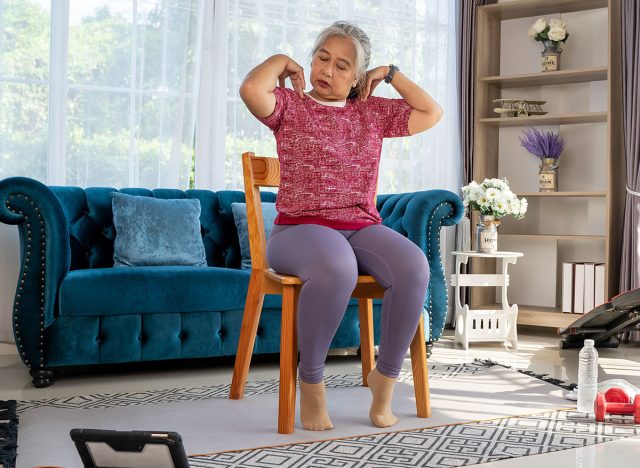
5. Seated Lateral Raise
The seated lateral raise specifically targets the medial (side) head of the deltoid muscle, which contributes to broader, more sculpted shoulders and an improved upper body aesthetic. Sit upright in a chair with your feet flat on the floor. Hold a light dumbbell in each hand, with your arms extended downwards by your sides, palms facing your body. Keeping a slight bend in your elbows, slowly raise your arms out to the sides until they are parallel with your shoulders, forming a ‘T’ shape. Imagine pouring water out of a pitcher as you lift, slightly rotating your wrists. Control the movement as you lower the weights back to the starting position. Avoid shrugging your shoulders or using momentum. Focus on isolating the shoulder muscles. Perform 3 sets of 10-15 repetitions. Start with very light weights, as this muscle group is smaller and easily overstressed.
To maximize the effectiveness of any workout regimen, consistency is paramount. Integrating these chair exercises into a routine 2-3 times per week, allowing for rest days in between, will facilitate muscle repair and growth. Progressive overload, a fundamental principle of strength training, dictates that muscles must be continually challenged to adapt and strengthen. This means gradually increasing the resistance (weight), the number of repetitions, or the number of sets over time. Starting with manageable resistance and prioritizing impeccable form is crucial for building a solid foundation and preventing injury.
As Prostano advises, focusing on proper technique initially is more important than lifting heavy. Once the form is mastered, progressively increasing the challenge will continue to stimulate muscle development. Furthermore, incorporating a brief warm-up before exercising and a cool-down with gentle stretches afterward can enhance flexibility, prepare the muscles for activity, and aid in recovery. Beyond the exercises themselves, overall health practices such as adequate protein intake for muscle repair and growth, sufficient hydration, and quality sleep are indispensable components of a successful fitness journey. Structured programs that combine both strength and cardiovascular training can further amplify muscle development and contribute to comprehensive well-being at any life stage.
In conclusion, the journey to cultivating stronger, more defined upper arms after 50 is not only attainable but also profoundly beneficial for holistic health. By understanding the physiological factors at play and embracing accessible, effective chair-based strength training, women can actively rebuild muscle tone, enhance functional strength, and improve posture. These efforts extend far beyond superficial aesthetics, contributing to greater confidence, sustained independence, and an enduring sense of vitality in daily life. Consulting with a healthcare provider or a certified fitness professional before embarking on any new exercise program is always recommended to ensure it aligns with individual health needs and goals.
About the Author