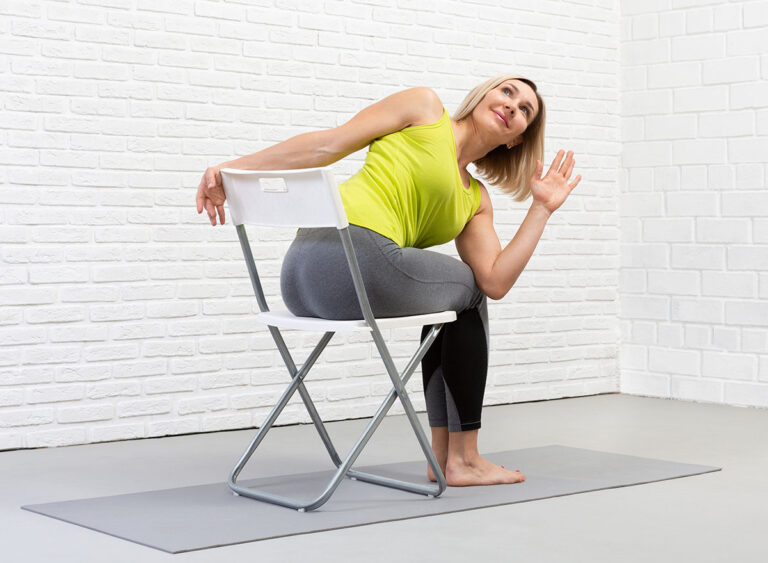
As individuals progress through their fifth decade and beyond, the sustained health and functional integrity of the body’s core musculature emerge as a critical determinant of overall well-being and independence. Often referred to as the powerhouse of the body, the core encompasses more than just the visible abdominal muscles; it is a complex network of muscles, including the deep transversus abdominis, the rectus abdominis, the obliques, multifidus, erector spinae, and pelvic floor. These muscles collectively form a robust girdle that stabilizes the spine, facilitates movement, and transfers force efficiently between the upper and lower extremities. A strong, responsive core underpins vital aspects of daily living, from maintaining upright posture and navigating uneven terrain to lifting groceries and rising from a seated position with ease and confidence. Conversely, a weakening core can precipitate a cascade of issues, including back pain, diminished balance, compromised posture, and a general sensation of instability that detracts from the quality of life.
While static holds, such as the plank, have garnered widespread popularity for their ability to engage core muscles, their utility in translating to real-world, dynamic strength, particularly for mature adults, warrants closer examination. The human body rarely operates in a completely static state; instead, movement is constant, requiring the core to dynamically brace, stabilize, and adapt to shifting loads and changing body positions. Consequently, training methodologies that mirror these dynamic requirements often yield more profound and transferable benefits. For individuals navigating the physiological shifts that accompany aging, prioritizing exercises that foster controlled movement, integrate multiple muscle groups, and enhance neuromuscular coordination becomes paramount, offering a safer and more effective pathway to sustained functional strength without undue stress on joints or heightened recovery demands.
Bodyweight training represents an exceptionally advantageous approach for cultivating core strength in older adults. It inherently provides a scalable intensity, allowing individuals to progress at their own pace while meticulously focusing on form and muscle activation. This modality eliminates the need for external weights that could potentially load the spine or place excessive strain on joints, making it a highly accessible and injury-preventative option. Furthermore, bodyweight movements naturally encourage improved coordination between the hips, shoulders, and trunk, fostering a holistic strength that supports athletic endeavors and the myriad demands of daily life, preserving agility and resilience through the years. The subsequent five exercises offer a robust alternative to static holds, challenging the core in multifaceted ways to build a functional, resilient foundation that extends far beyond the gym.
1. The Dead Bug: Precision in Spinal Stabilization
The Dead Bug exercise is a cornerstone of effective core training, particularly valuable for developing precise spinal stability while the limbs engage in independent motion. This anti-extension movement teaches the core to resist the natural tendency of the lower back to arch when arms and legs extend, a crucial skill for protecting the lumbar spine during activities such as walking, climbing stairs, or carefully lifting objects. Its inherent low-impact nature makes it ideal for older adults, allowing for meticulous attention to form and breath control without putting stress on the cervical or lumbar regions. By demanding controlled limb dissociation, the Dead Bug reinforces the ability of the deep abdominal muscles, rectus abdominis, hip flexors, and obliques to work synergistically to maintain a neutral spine.
To execute the Dead Bug, begin by lying supine on the floor, knees bent directly over hips, and arms extended towards the ceiling. Initiate the movement by slowly extending one arm overhead while simultaneously extending the opposite leg towards the floor. The critical focus is to keep the lower back pressed gently into the mat, preventing any arching. Return to the starting position with control and repeat on the alternate side. This deliberate, unhurried execution is key. Individuals should aim for 3 sets of 8 to 10 repetitions per side, resting for 30 to 45 seconds between sets. If maintaining lumbar contact is challenging, reduce the range of motion by not extending the limbs fully. Variations include bent-knee dead bugs, heel tap dead bugs, where the foot taps the floor instead of extending fully, and tempo-controlled dead bugs, which emphasize slow, deliberate movements.
2. The Bird Dog: Quadrupedal Balance and Core Integration
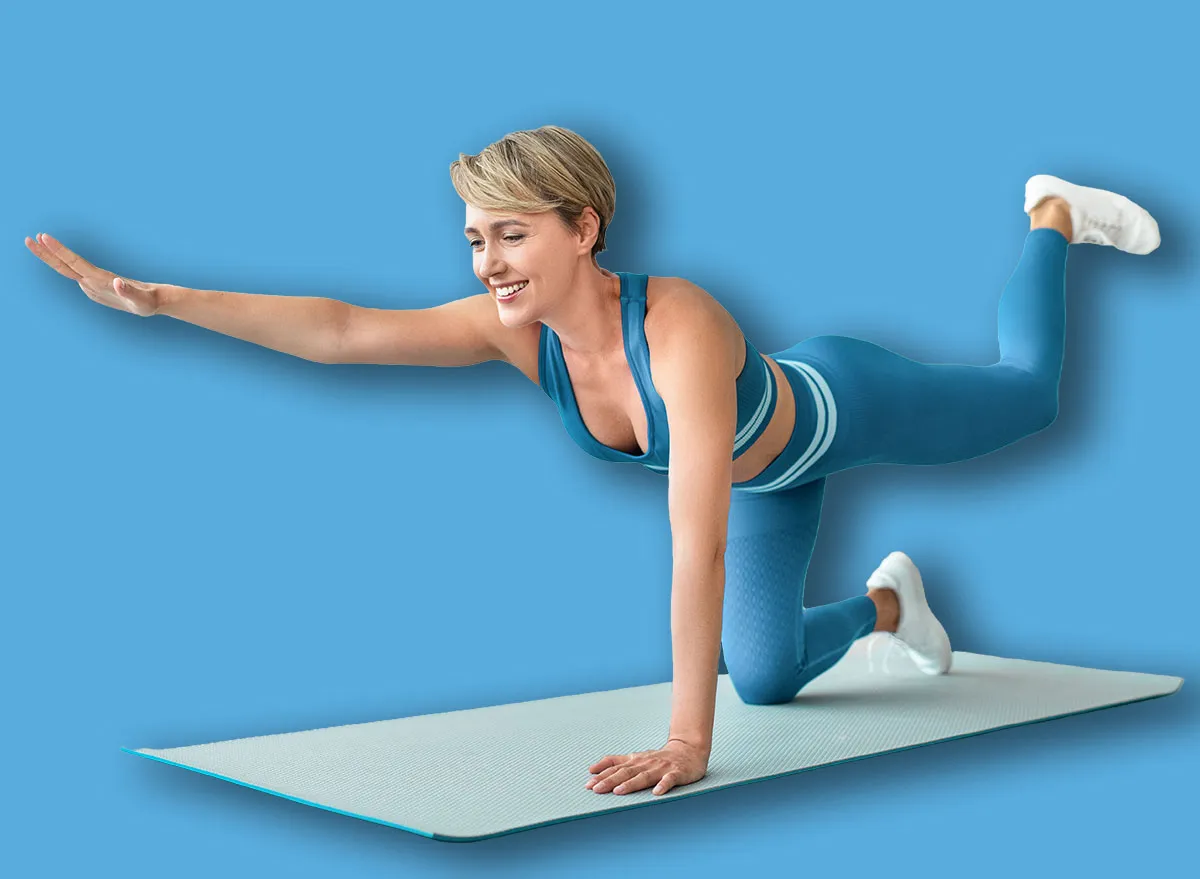
Building upon the principles of spinal stability, the Bird Dog exercise elevates the challenge by incorporating balance and coordination in a quadruped position. This movement directly addresses core stability through controlled limb extension, enhancing the communication between the deep core muscles, glutes, lower back stabilizers, and shoulders. It is particularly effective for improving proprioception—the body’s awareness of its position in space—and fostering the coordinated effort required for dynamic balance, which is vital for fall prevention and confident movement as one ages. The Bird Dog reinforces healthy breathing patterns that naturally support robust core engagement, contributing to a sense of stability and reducing unnecessary muscular tension throughout the trunk.
To perform the Bird Dog, position yourself on all fours with hands directly under shoulders and knees under hips, ensuring a neutral spine. Engage your core as if bracing for a gentle impact. Slowly extend one arm forward while simultaneously extending the opposite leg straight back, keeping both parallel to the floor. The goal is to maintain a flat back and level hips throughout the movement, avoiding any rocking or rotation of the trunk. Hold briefly at the peak of the extension before returning to the starting position with controlled precision. The movement should be deliberate and unhurried. Perform 3 sets of 8 to 10 repetitions per side, allowing for a 30-second rest period between sets. For those seeking to increase difficulty, elevated bird dogs, pause hold bird dogs, or resistance band bird dogs can be incorporated. The primary form cue is to move with sufficient slowness and control to ensure balance is never compromised.
3. The Hollow Hold: Unifying Anterior Chain Tension
The Hollow Hold is a foundational gymnastics-inspired exercise that cultivates profound anterior core tension, creating a strong, unified brace from the shoulders to the hips. This exercise intrinsically teaches the body to function as a singular, cohesive unit, a critical skill for supporting optimal posture and exerting precise spinal control in a variety of movements. It serves as an excellent diagnostic tool, quickly revealing any weak links in the anterior kinetic chain and allowing for immediate adjustments to intensity before fatigue compromises form. When executed correctly, the Hollow Hold generates deep engagement of the rectus abdominis, transverse abdominis, hip flexors, and shoulder stabilizers without requiring excessive or potentially harmful spinal flexion.
To initiate a Hollow Hold, lie supine on the floor with arms extended overhead and legs straight. Gently press your lower back into the floor, engaging your deep core. Slowly lift your head, shoulders, and legs a few inches off the ground, forming a slight "hollow" shape with your body. Your arms should remain extended overhead, and legs straight and together. The objective is to maintain constant tension in the abdominal muscles throughout the hold, ensuring the lower back does not arch away from the floor. Sustain this position for 20 to 40 seconds, performing 3 to 4 sets with a 45-second rest between each. Prioritizing the quality of the hold over its duration is paramount; discontinue the set as soon as the integrity of the tension begins to wane. Progressive variations include the tucked hollow hold (knees bent closer to the chest), one-leg hollow hold, and hollow body rocks, which add a subtle rocking motion.
4. The Reverse Crunch: Targeting Lower Abdominal Control
The Reverse Crunch offers a highly effective method for emphasizing the lower abdominal muscles with minimal direct strain on the spine, distinguishing it from traditional crunch variations. This exercise uniquely educates the pelvis on how to tilt and elevate under controlled muscular effort, fostering healthier, more stable movement patterns throughout the pelvic region. By reducing the reliance on momentum, a common pitfall in many abdominal exercises, the Reverse Crunch becomes inherently more joint-friendly and ensures that the target muscles are genuinely performing the work. When performed with focused intent, this movement delivers powerful core activation, particularly in the lower abdominals, hip flexors, and obliques, while mitigating unnecessary stress on the neck or upper back.
To perform the Reverse Crunch, lie on your back with knees bent and feet flat on the floor. Place your hands lightly by your sides or under your lower back for support. Engage your core and slowly lift your knees towards your chest, allowing your hips to gently roll off the floor. The movement should originate from the abdominal muscles, initiating a controlled pelvic tilt and lift, rather than a forceful swinging of the legs. Pause briefly at the peak of the movement when your knees are directly over your chest, then slowly and deliberately lower your hips and feet back to the starting position. Aim for 3 sets of 10 to 15 repetitions, with a rest period of 30 to 45 seconds between sets. Emphasize lifting the hips using core strength, not momentum from the legs. Variations include the bent-knee reverse crunch, single-leg reverse crunch, and slow-tempo reverse crunch, which further amplify muscle engagement.
5. The Bear Crawl: Dynamic Full-Body Core Integration
The Bear Crawl is a highly dynamic and integrative exercise that compels the core to stabilize the entire trunk while the limbs are in continuous, loaded motion. This foundational pattern dramatically enhances overall coordination, cultivates robust shoulder stability, and refines hip control, all simultaneously. Beyond its core-strengthening benefits, the Bear Crawl also serves as an effective conditioning tool, safely elevating heart rate without the impact typically associated with running or jumping. Over time, consistent practice of this movement contributes significantly to developing resilient, adaptable strength that seamlessly transfers to various sports, recreational activities, and the everyday demands of an active lifestyle. It engages the entire core, along with the shoulders, glutes, and hip flexors, in a synchronized, functional manner.
To execute the Bear Crawl, begin on all fours, hands directly under shoulders and knees under hips, with your knees hovering just an inch or two off the ground. Maintain a flat back, as if balancing a glass of water on your lower back, and keep your gaze slightly forward. Initiate movement by simultaneously stepping forward with one hand and the opposite foot. Continue this contralateral pattern, moving across a designated space. The key is to keep your hips low and stable, minimizing any rocking or rotation of the torso. The movement should be controlled and fluid, prioritizing stability over speed. Perform 3 sets, maintaining continuous movement for 20 to 40 seconds per set, resting for 60 seconds between each. To vary the challenge, explore forward-only bear crawls, backward bear crawls, and lateral bear crawls.
Best Core Training Principles for Mature Adults
Cultivating a powerful and adaptable core is a journey built on consistency, deliberate intention, and intelligent progression, rather than sheer brute force. As the body ages, the emphasis shifts from merely training hard to training smart, ensuring that exercises maximize results while safeguarding joint health and optimizing recovery. Adopting these principles will help individuals over 50 extract the greatest benefits from their core training regimen:
- Prioritize Form Over Reps: Always focus on executing each movement with precision and control. Incorrect form not only reduces effectiveness but significantly increases the risk of injury. If fatigue compromises form, it is time to rest or reduce the intensity.
- Listen to Your Body: Acknowledge and respect signals from your body. Minor aches or stiffness might indicate the need for a lighter day, modified exercises, or additional rest. Pushing through pain can lead to setbacks.
- Embrace Progressive Overload: Even with bodyweight exercises, progress is crucial. This can be achieved by increasing hold times, performing more repetitions, slowing down the tempo of movements, reducing rest periods, or introducing more challenging variations of the exercises.
- Integrate Breathwork: Proper breathing is intrinsically linked to core function. Learning to brace the core effectively through diaphragmatic breathing enhances stability and protects the spine during exertion. Exhale on the effort, and inhale during the release or recovery phase of a movement.
- Vary Your Routine: Regularly rotate between different core exercises to challenge the muscles from various angles and prevent plateaus. The five exercises detailed above offer a robust foundation for such variety.
- Consistency is Key: Short, regular core training sessions are far more beneficial than infrequent, intense workouts. Aim for 2-3 dedicated core sessions per week, allowing for adequate rest and recovery.
- Holistic Health: Remember that core strength is part of a larger picture of health. Adequate hydration, a balanced diet rich in protein for muscle repair, and sufficient sleep are all integral components that support muscle growth, recovery, and overall vitality.
By integrating these dynamic bodyweight core exercises and adhering to thoughtful training principles, individuals can proactively build and maintain a core that not only feels stronger but functions more effectively, supporting an active, resilient, and independent lifestyle well into their later years. A strong core is not merely about aesthetics; it is a fundamental investment in lifelong movement quality and overall physical capacity.
About the Author