As individuals navigate the aging process, maintaining physical vitality becomes increasingly crucial for overall well-being and independence. A common concern among older adults, particularly those over the age of 60, is the accumulation of abdominal fat, often referred to as a "belly overhang." While the concept of targeting fat reduction in a specific body area, known as spot reduction, is a pervasive myth in fitness circles, a comprehensive approach to strength training combined with sound nutritional strategies can significantly contribute to systemic fat loss, including around the midsection. For seniors, incorporating standing dumbbell exercises offers a particularly effective and accessible pathway to bolster muscle mass, elevate metabolic rate, and improve core stability without requiring floor-based movements that can be challenging for some.
The natural physiological changes associated with aging, such as sarcopenia—the progressive loss of muscle mass and strength—accelerate significantly past the sixth decade of life. This decline in lean muscle tissue has profound implications for metabolic health, as muscle is a metabolically active tissue that plays a pivotal role in calorie expenditure and glucose regulation. Reduced muscle mass often translates to a slower metabolism, making fat management more difficult. Furthermore, decreased muscle strength can compromise functional independence, balance, and overall quality of life. Therefore, engaging in regular resistance training is not merely beneficial but essential for mitigating these age-related declines.
Certified fitness professionals consistently advocate for strength training as a cornerstone of senior fitness regimens. Lacey Baier, a certified personal trainer, nutrition and fitness coach, and author, underscores the importance of strength training for individuals over 60, noting its capacity to build muscle, elevate heart rate, and demand core stability. The advantage of standing dumbbell exercises, as Baier highlights, lies in their ability to achieve these benefits without the necessity of getting down onto the floor, which can be a barrier for some due to mobility constraints or joint discomfort. These exercises are often compound movements, meaning they engage multiple joints and muscle groups simultaneously, leading to a greater caloric expenditure and enhanced functional strength relevant to daily activities.
A key principle to understand is that while you cannot selectively burn fat from your abdomen, you can build lean muscle throughout your body. This increase in muscle mass improves insulin sensitivity, making your body more efficient at processing carbohydrates and storing less as fat. It also significantly boosts your resting metabolic rate, meaning you burn more calories even at rest. When combined with a slight caloric deficit and adequate protein intake, this muscle-building strategy creates an optimal environment for sustainable fat loss across the entire body, including the abdominal region. For adults over 60, a frequency of two to three strength training sessions per week, focusing on controlled and deliberate movements, is generally recommended. This approach supports not only fat loss but also improvements in strength, posture, and energy levels.
Here are five standing dumbbell exercises that are particularly effective for seniors aiming to enhance overall strength, core stability, and metabolic health:
1. Goblet Squats:
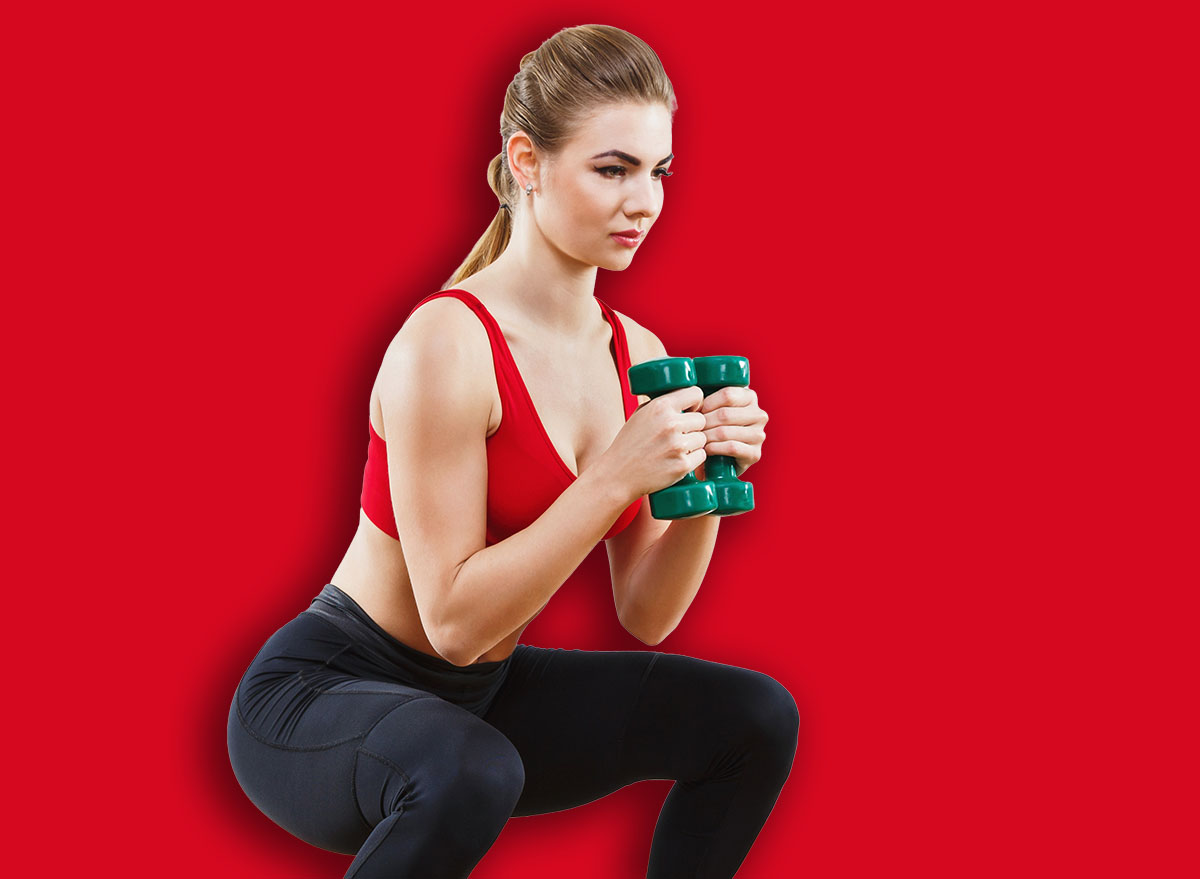
The goblet squat is an excellent foundational movement that targets some of the largest and most calorie-burning muscle groups in the body: the quadriceps, hamstrings, and glutes. Holding a single dumbbell vertically against the chest (like a goblet) encourages an upright torso position, making it a safer and often more comfortable alternative to traditional barbell squats, especially for those with limited shoulder mobility or lower back concerns. The act of holding the weight in front of the body also inherently engages the core muscles to maintain balance and posture throughout the movement.
- Execution: Stand with feet shoulder-width apart, toes slightly pointed out. Hold one dumbbell vertically with both hands against your chest. Keeping your chest up and back straight, push your hips back and bend your knees as if sitting into a chair. Descend until your thighs are roughly parallel to the floor or as far as comfortable without compromising form. Drive through your heels to return to the starting position, squeezing your glutes at the top.
- Benefits for Seniors: Strengthens the lower body, improves functional movement patterns essential for daily activities like sitting and standing, enhances core stability, and contributes significantly to overall calorie expenditure due to the large muscle groups involved.
2. Dumbbell Romanian Deadlifts (RDLs):
The Romanian Deadlift is a powerful exercise for developing the posterior chain—the muscles along the back of your body, including the hamstrings, glutes, and lower back. Unlike a conventional deadlift, the RDL emphasizes a hip-hinge movement with minimal knee bend, making it highly effective for targeting the hamstrings and glutes while strengthening the lower back and improving posture. This movement is crucial for counteracting the effects of prolonged sitting and improving overall body mechanics.
- Execution: Hold a dumbbell in each hand, palms facing your thighs, with a slight bend in your knees. Keeping your back straight and core engaged, hinge at your hips, pushing your gl glutes backward as you lower the dumbbells towards the floor. Maintain a neutral spine throughout the movement. Feel a stretch in your hamstrings. Only go as low as you can without rounding your back. Engage your glutes and hamstrings to pull yourself back to the starting upright position.
- Benefits for Seniors: Builds strength in the hamstrings and glutes, crucial for walking and climbing stairs; strengthens the lower back, which can help prevent back pain; and improves posture and hip mobility, reducing the risk of falls.
3. Dumbbell Shoulder Press:
The dumbbell shoulder press is an excellent exercise for building upper body strength, particularly in the shoulders (deltoids) and triceps. Performing it in a standing position adds an extra layer of challenge by requiring the core muscles to stabilize the torso against the weight being pressed overhead. This makes it a compound movement that works more than just the upper body.
- Execution: Stand with feet shoulder-width apart, holding a dumbbell in each hand at shoulder height, palms facing forward or towards each other. Keep your core tight and gaze straight ahead. Press the dumbbells directly overhead until your arms are fully extended but not locked out. Control the descent back to the starting position.
- Benefits for Seniors: Strengthens the shoulders and triceps, improving functional strength for tasks like lifting objects overhead; enhances core stability; and promotes overhead mobility, which is important for maintaining range of motion.
4. Alternating Reverse Lunges:
Lunges are fantastic unilateral exercises, meaning they work one side of the body at a time. The alternating reverse lunge is particularly beneficial for seniors because it builds unilateral strength, improves balance, and enhances stability—all critical components for preventing falls and maintaining functional independence. Moving backward into the lunge often feels more stable than stepping forward for many individuals.
- Execution: Stand tall, holding a dumbbell in each hand at your sides. Step one leg backward, lowering your hips until both knees are bent at approximately a 90-degree angle. Ensure your front knee is directly over your ankle and your back knee hovers just above the floor. Keep your torso upright and core engaged. Push off your back foot to return to the starting position, then repeat on the opposite side.
- Benefits for Seniors: Develops leg strength, particularly in the quadriceps, hamstrings, and glutes of each leg independently; significantly improves balance and coordination, reducing fall risk; and enhances hip mobility and stability.
5. Farmer’s Carry:
The Farmer’s Carry might seem deceptively simple, but it is a powerhouse exercise for building full-body strength, endurance, and core stability. It involves walking while holding heavy dumbbells at your sides, challenging grip strength, shoulder stability, and core musculature simultaneously. This exercise is highly functional, mimicking the act of carrying groceries or luggage.
- Execution: Stand tall with a heavy dumbbell in each hand at your sides, palms facing your body. Ensure your shoulders are pulled back and down, and your core is braced. Walk slowly and deliberately, maintaining good posture and avoiding leaning to one side. Focus on taking small, controlled steps. Carry the weight for a set distance or time.
- Benefits for Seniors: Dramatically improves grip strength, which is a strong indicator of overall health and longevity; strengthens the core and obliques for improved stability; enhances shoulder girdle stability; and reinforces good posture.
Beyond the specific exercises, a holistic approach is paramount for seniors aiming for improved health and body composition. This includes prioritizing adequate protein intake to support muscle synthesis, maintaining a slight calorie deficit for fat loss, ensuring sufficient sleep for recovery, and staying well-hydrated. Before embarking on any new exercise regimen, especially for those over 60 or with pre-existing health conditions, it is always advisable to consult with a healthcare provider or a physical therapist. They can offer personalized guidance and ensure the chosen exercises are safe and appropriate for individual needs and limitations. Consistency, patience, and a focus on proper form over heavy weight will ultimately yield the most sustainable and beneficial results in the journey toward enhanced fitness and well-being in later life.
About the Author