As individuals progress beyond their mid-fifties, many encounter persistent challenges with maintaining a toned and supported midsection, a phenomenon often attributed solely to fat accumulation. However, for a significant portion of the mature adult population, the appearance of a prominent lower abdomen extends beyond adipose tissue and frequently signals deeper biomechanical and postural imbalances. Traditional abdominal exercises, often performed on machines or in isolated, supine positions, frequently fall short in addressing these underlying causes, leading to frustration even among those committed to regular physical activity. A more comprehensive strategy, centered on functional movements performed in an upright stance, offers a potent alternative by re-educating the body’s intrinsic support systems.
The changes observed in the abdominal region in later life are multifactorial, stemming from a complex interplay of physiological shifts and accumulated movement patterns. Age-related muscle atrophy, or sarcopenia, impacts not just major muscle groups but also the deeper core stabilizers. Concurrently, connective tissues, including fascia and ligaments, can lose some of their elasticity, contributing to a less taut appearance. Hormonal fluctuations can also influence fat distribution and muscle maintenance. Beyond these physiological realities, long-standing postural habits, such as an anterior pelvic tilt, a forward head posture, or a general slumping of the upper back, exert considerable influence. These postural deviations can cause the pelvis to rotate forward, effectively pushing the abdominal contents outward and creating the illusion of greater abdominal volume. Similarly, inefficient breathing patterns, where the diaphragm is underutilized and the upper chest muscles overcompensate, can lead to chronic outward pressure on the abdominal wall, weakening its natural inward draw over time. The hips, as a central nexus of movement, also play a critical role; dysfunctional hip mechanics can force the lumbar spine and abdominal muscles to compensate, further compromising core integrity.
Conventional exercise methodologies, particularly those relying on gym machines, often inadvertently bypass the critical need for integrated core stability. When a machine supports the body, it reduces the demand on the deep abdominal musculature and associated postural muscles that are responsible for stabilizing the trunk against gravity. This isolation can strengthen superficial muscles without teaching the core to function as a cohesive unit, which is precisely what is required to mitigate the forward protrusion of the abdomen during daily activities. The problem isn’t a lack of effort, but rather an approach that fails to address the root causes of altered midsection presentation, which are fundamentally linked to how the body supports itself in an upright, dynamic environment.
A paradigm shift towards functional upright movement offers a more profound and sustainable solution. By engaging the body in a standing position, these exercises compel the entire core system—comprising the deep abdominal wall, pelvic floor, diaphragm, and multifidus muscles—to work synergistically. This integrated activation is essential for establishing a robust internal corset that naturally draws the lower abdomen inward and maintains that support throughout various movements. This approach moves beyond merely strengthening individual muscles; it retrains the neuromuscular pathways, teaching the body to inherently hold itself with optimal alignment and tension. The benefits extend far beyond aesthetics, encompassing improved balance, enhanced spinal stability, reduction in lower back discomfort, and greater functional independence in everyday tasks.
The efficacy of these functional movements lies in several core principles. Firstly, they emphasize a strong mind-body connection, requiring conscious engagement and control rather than brute force. Secondly, they integrate controlled respiration, ensuring that breathing actively supports core engagement rather than undermining it. Thirdly, a relentless focus on maintaining neutral pelvic and spinal alignment forms the bedrock of these exercises, correcting the very postural deviations that contribute to abdominal prominence. Finally, the emphasis is placed on sustained endurance of subtle, deep muscle activation, fostering lasting changes in postural habits rather than fleeting bursts of high-intensity effort. Consistent application of these principles is key to reshaping the midsection by restoring internal support from the ground up.
Here are five cornerstone exercises designed to cultivate robust core stability and optimize midsection contouring for individuals over fifty-five:
1. Upright Diaphragmatic Engagement with Sustained Core Activation:
This exercise directly confronts the issue of suboptimal breathing patterns that can exacerbate abdominal protrusion. Many individuals habitually breathe shallowly, primarily using their upper chest, or allow their abdomen to push excessively outward with each inhalation. This movement teaches the deep abdominal layers, particularly the transverse abdominis, to maintain a gentle inward tension even as the diaphragm descends for a full, calm breath. Performed in a standing posture, it demands that the core actively supports the torso against gravity, preventing the common tendency for the midsection to relax or slump forward. The focus on slow, controlled respiration prolongs the duration of muscular engagement without inducing fatigue, thereby cultivating an intrinsic core awareness that can translate into sustained postural support throughout the day. This foundational practice is instrumental in re-establishing the body’s natural internal corset.
2. Sustained Pelvic Neutralization Hold:
A prevalent contributor to the forward appearance of the lower abdomen in mature adults is an anterior pelvic tilt, where the pelvis tips forward, creating an exaggerated arch in the lower back. This posture not only pushes the abdomen outward but also places undue stress on the lumbar spine. The Sustained Pelvic Neutralization Hold is specifically designed to counteract this by activating the lower abdominal muscles and the glutes simultaneously. By gently tilting the pelvis backward to a neutral position and holding this subtle engagement, the exercise re-educates the body to maintain optimal pelvic alignment. The upright stance enhances the functional carryover, teaching the core to support this neutral position against gravitational forces. Sustaining this gentle hold cultivates muscular endurance, which is far more critical for long-term postural change than short, intense bursts of effort. Over time, consistent practice helps to subtly reshape the lower trunk by optimizing the vertical stacking of the torso over the hips.
3. Controlled Unilateral Limb Elevation with Trunk Stabilization:
The stability of the core is acutely tested during single-leg movements, such as walking or climbing stairs. When core control is inadequate, the trunk often sways or the abdomen shifts forward as one foot lifts off the ground. This "Controlled Unilateral Limb Elevation" (a slow, deliberate marching motion) removes momentum from the equation, compelling the deep core muscles to actively stabilize the pelvis and trunk with each leg lift. By consciously controlling the movement, individuals strengthen the intricate connection between their hip flexors, glutes, and abdominal muscles. This reprogramming teaches the midsection to remain engaged and drawn inward during dynamic, everyday activities, effectively counteracting the forward pull that contributes to abdominal overhang. It significantly improves dynamic balance and proprioception, crucial for fall prevention in older adults.
4. Articulated Hip Flexion with Abdominal Engagement:
Dysfunctional hip movement patterns can place chronic strain on the lower abdomen. When the hips fail to articulate properly during bending motions (e.g., squatting or hinging), the body often compensates by rounding the lower back and pushing the abdomen forward. This exercise meticulously retrains proper hip hinge mechanics, emphasizing movement originating from the hip joints rather than the spine, while simultaneously demanding steadfast abdominal tension. Performing the movement slowly and with control reinforces the correct motor pattern, ensuring that the core remains actively engaged throughout the hip flexion and extension. This re-establishes a harmonious balance between the anterior (abdominal) and posterior (gluteal and hamstring) chains of the body. Mastering the Articulated Hip Flexion with Abdominal Engagement directly influences how the midsection behaves during common tasks like bending, lifting, and maintaining an upright posture throughout the day, preventing abdominal protrusion linked to poor mechanics.
5. Lateral Torso Extension with Oblique Activation:
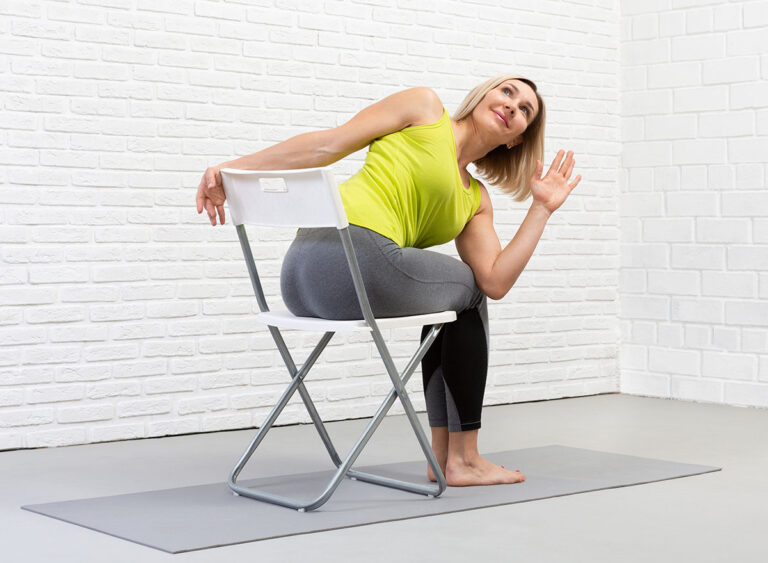
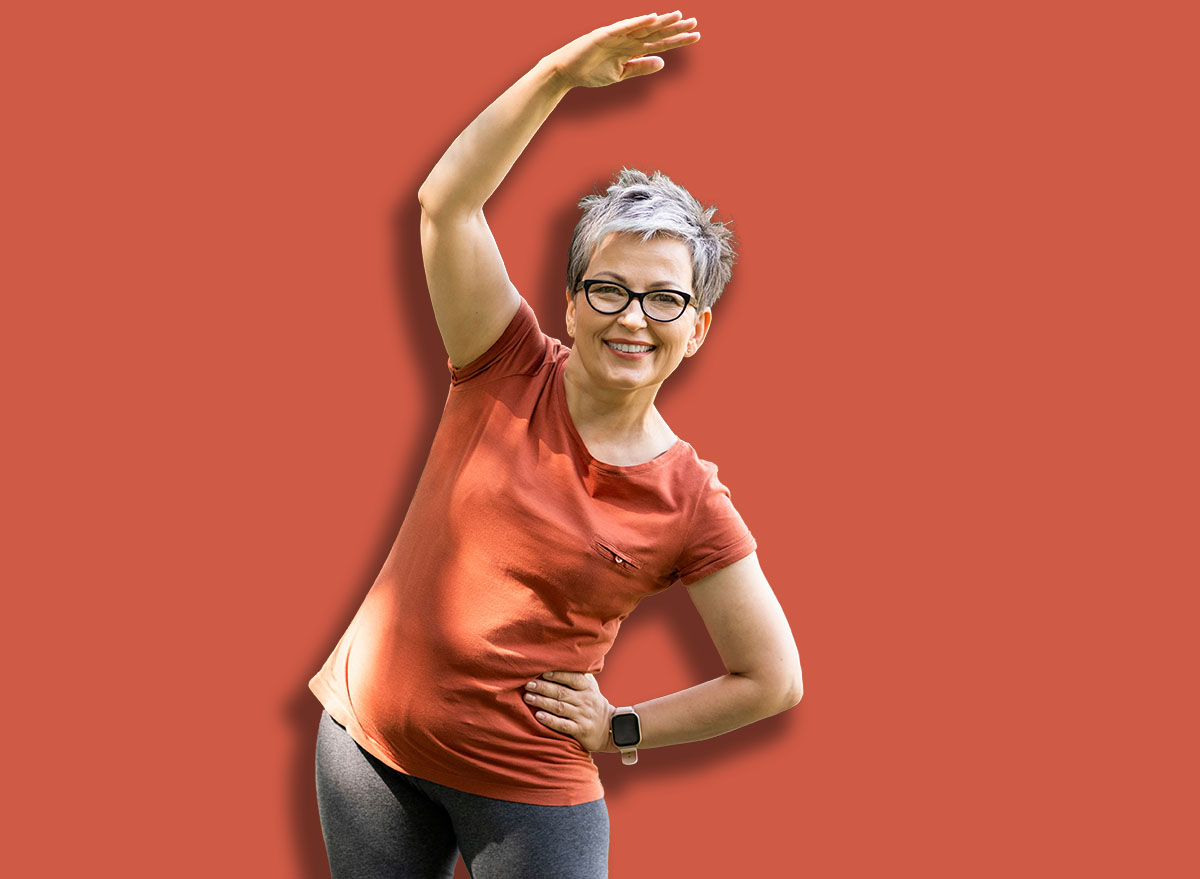
The lateral abdominal wall, primarily composed of the oblique muscles, plays a pivotal role in maintaining the integrity and inward pull of the lower abdomen. If these side stabilizers remain inactive, the midsection can appear to sag or spread laterally. The Lateral Torso Extension with Oblique Activation specifically targets these crucial muscles. Unlike traditional crunching movements that can compress the spine, this standing reach exercise trains the obliques to resist gravity while simultaneously promoting length through the waist. The slow, controlled nature of the reach builds endurance in the oblique musculature without placing undue stress on the spine. Over time, strengthening these lateral supports reduces the downward and outward gravitational pull on the abdomen, contributing significantly to a more streamlined and supported midsection profile. It also enhances overall trunk stability and the ability to resist rotational forces.
In conclusion, addressing midsection contouring and improving abdominal appearance in individuals over fifty-five requires a nuanced approach that transcends superficial muscle work. By embracing functional upright movements that integrate core stability with proper posture, breathing mechanics, and hip alignment, individuals can achieve not only a more streamlined physique but also substantial improvements in their overall functional capacity, balance, and spinal health. These exercises offer a holistic pathway to reclaiming core resilience and enhancing quality of life. As with any new exercise regimen, consulting with a qualified fitness professional, such as Tyler Read, BSc, CPT, who has extensive experience in health and fitness, is always recommended to ensure proper form and individual suitability.
About the Author