As individuals progress through their adult years, particularly beyond the age of 55, maintaining robust lower body strength and mobility becomes a cornerstone of sustained independence and overall well-being. The physiological changes associated with aging, such as sarcopenia – the gradual loss of muscle mass and strength – can significantly impact daily activities, balance, and increase the risk of falls. While many turn to conventional gym equipment to counteract these effects, a growing consensus among fitness professionals suggests that a more integrated approach, focused on functional movement, offers superior benefits for real-world application.
A common sight in many gym settings is the leg press machine, a device designed to strengthen the quadriceps, hamstrings, and glutes by pushing a weighted platform. While effective for isolating these major muscle groups and offering a low-impact resistance workout, its inherent design often overlooks critical components of human movement essential for daily life. According to Matt Bandelier, a seasoned personal trainer and the director of business development at Eden Health Club, the leg press, by its very nature, can inadvertently detract from developing comprehensive lower body resilience.
Bandelier explains that while the machine effectively loads the primary leg muscles, it concurrently eliminates the need for balance, proprioception (the body’s sense of self-movement and position), and the activation of smaller, yet crucial, stabilizing muscles around the knees and hips. In essence, the machine provides a highly controlled, supported environment that doesn’t demand the same level of neuromuscular coordination required to navigate an uneven sidewalk, climb a flight of stairs, or recover from a slight stumble. This detachment from "real-life control" can lead to a paradoxical situation where individuals can lift substantial weight on a machine but still feel unstable or weak during everyday movements.
The limitations of machine-based isolation training become particularly evident when considering the dynamic and multi-directional nature of human locomotion. Our bodies rarely move in a single plane of motion with external support in daily life. Navigating environments requires constant adjustments, shifts in balance, and the integrated action of numerous muscle groups working in concert. Therefore, a truly effective lower body regimen for older adults must incorporate movements that are not only weight-bearing but also multi-directional, scalable to individual fitness levels, and fundamentally driven by the need for stability.
Bandelier advocates for a streamlined, bodyweight-focused routine that addresses these critical elements in a highly efficient manner. This eight-minute sequence is designed to cultivate strength, balance, and coordination simultaneously, leveraging the body’s natural mechanics rather than relying on external apparatus. "We prepare our bodies for how we live – standing, stepping, shifting weight, and holding positions," Bandelier emphasizes. "This specific eight-minute circuit integrates all these facets using only bodyweight, strategic tempo, and deliberate repetitions." The routine involves performing each exercise for one minute (or 10 to 15 repetitions per side for unilateral movements), completing the full circuit, and then repeating it for a second round to achieve the total eight-minute duration.
Let’s delve into the specific exercises that form this powerful functional sequence:
1. Box Squats
Replacing the leg press with the box squat transforms a simple sitting motion into a comprehensive lower body and core exercise. Unlike the leg press, where the back is passively supported, the box squat actively engages the core musculature and hip stabilizers throughout the movement. The exercise involves lowering the body into a seated position onto a box or chair, lightly tapping it, and then driving back up to a standing position. This controlled descent and ascent demand activation of the glutes, quadriceps, and hamstrings, while simultaneously challenging hip mobility and spinal stability. The box provides a tactile cue for depth and a safety net, allowing individuals to focus on proper form, ensuring the hips initiate the movement and the chest remains upright. This functional pattern directly translates to improved ability to get up from chairs, sofas, and even off the floor, which is a critical skill for maintaining independence.
2. Bodyweight Hip Hinge (Good Mornings)
The hip hinge is a foundational movement pattern often overlooked but crucial for posterior chain strength and injury prevention. This exercise teaches the body to articulate at the hips, rather than rounding the lower back, which is essential for safely lifting objects, bending over, and even performing squats. By hinging at the hips and sending them backward while maintaining a slight bend in the knees and a neutral spine, this movement effectively engages the hamstrings, glutes, and erector spinae muscles. Bandelier highlights its role in fostering a synergistic relationship between the thighs and hips, ensuring that the workload is appropriately distributed, thereby safeguarding the knees from excessive strain. Mastering the hip hinge can significantly improve posture, reduce lower back pain, and enhance overall functional strength.
3. Reverse Lunge to Knee Drive
This dynamic exercise is a powerhouse for developing unilateral (single-leg) strength, balance, and coordination – attributes vital for walking, climbing stairs, and reacting to unexpected shifts in terrain. Beginning with a reverse lunge, stepping one leg backward and lowering the hips until both knees are bent at approximately 90 degrees, the movement then transitions into a powerful knee drive, bringing the back knee forward and up towards the chest. This sequence builds strength in the quadriceps, glutes, and hamstrings of the standing leg, while the knee drive engages the hip flexors and challenges dynamic balance. The emphasis on slow, controlled execution is paramount here, as it maximizes the time under tension for muscle development and refines the neuromuscular pathways responsible for stability. This exercise directly simulates movements like ascending stairs or stepping over obstacles, making it profoundly relevant to daily life.
4. Split Squat Isometric Hold
Isometric exercises, where muscles are contracted without changing length, are incredibly effective for building muscular endurance and strength in a joint-friendly manner. The split squat isometric hold involves getting into the bottom position of a lunge or split squat and holding that static position for an extended period. This sustained tension in the quadriceps, glutes, and hamstrings "lights up" these muscle groups, promoting significant strength gains without the impact associated with dynamic movements. It’s particularly beneficial for individuals concerned about joint health, as it strengthens the muscles supporting the joints without putting them through a full range of motion under load. This hold also cultivates mental fortitude and the ability to maintain stability under duress, further contributing to overall balance.
5. Squat Pulses
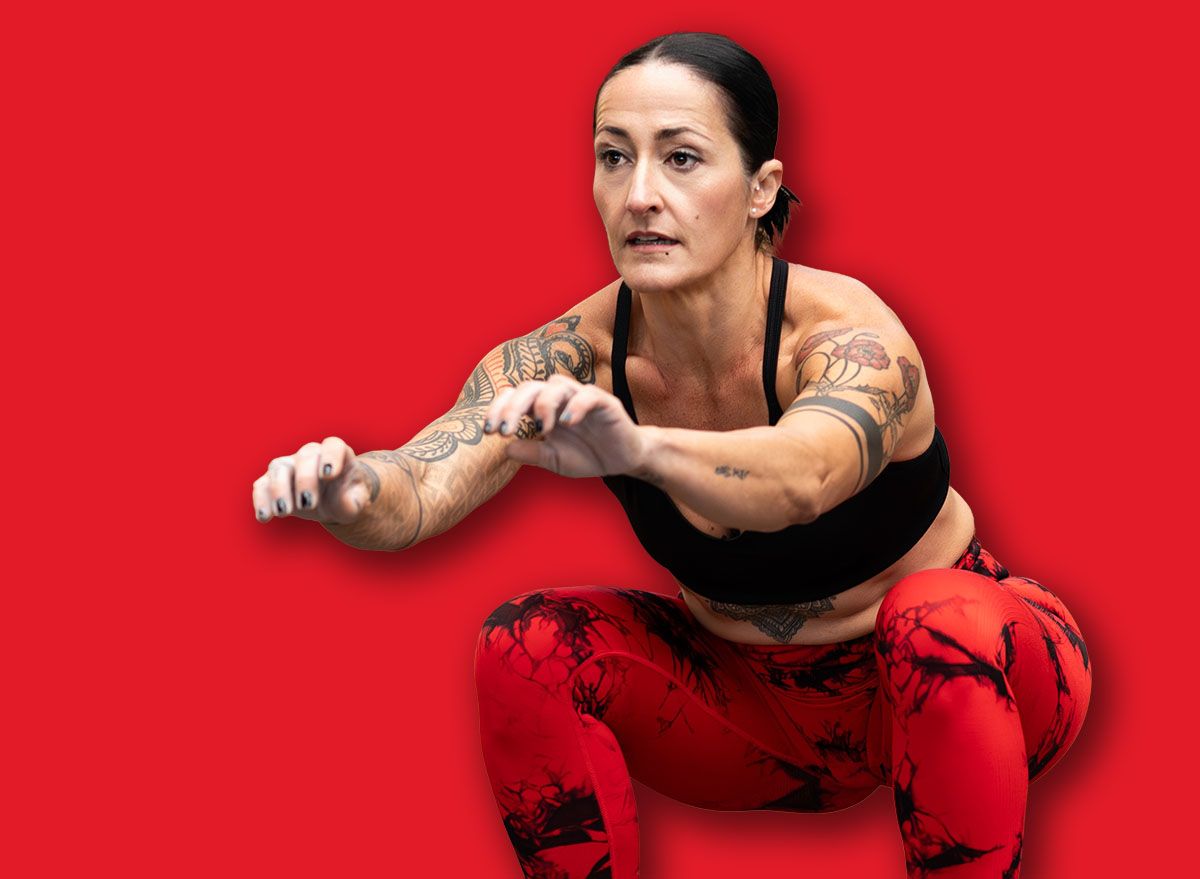
Squat pulses add another dimension to lower body training by focusing on muscular endurance and strength within a specific range of motion. After descending into a squat position, instead of fully standing up, the individual performs small, controlled "pulses" – moving only a few inches up and down from the bottom of the squat. This technique keeps the muscles under constant tension, significantly increasing the time under tension for the quadriceps, glutes, and hamstrings. It enhances local muscular endurance, allowing muscles to sustain effort for longer periods, which is crucial for activities like standing for extended durations or repeated bending. Squat pulses complement full squats by targeting the mid-range of motion, where muscles often need additional conditioning for sustained power.
The comprehensive benefits of incorporating such a functional routine extend far beyond merely strengthening the thighs. By cultivating improved balance, coordination, and integrated muscle activation, older adults can significantly reduce their risk of falls, a leading cause of injury and loss of independence. Enhanced lower body strength also contributes to better bone density, improved metabolic health, and increased confidence in performing everyday tasks. The ability to move freely and capably allows for continued participation in hobbies, social activities, and travel, thereby enriching one’s quality of life and fostering a sense of autonomy.
In conclusion, while gym machines like the leg press have their place in a fitness regimen, a truly holistic approach to lower body vitality for adults over 55 must prioritize functional movements that mirror the demands of real life. Matt Bandelier’s expertly designed eight-minute bodyweight circuit offers a potent and accessible solution, empowering individuals to build resilient strength, enhance balance, and preserve their independence for years to come. By shifting focus from isolated muscle work to integrated, purposeful movement, this routine serves as a powerful testament to the efficacy of training for how we truly live.
About the Author