As individuals navigate the journey past the age of fifty-five, maintaining robust physical function becomes increasingly vital for preserving independence and overall quality of life. Among the often-overlooked muscle groups crucial for this sustained mobility are the adductors, situated along the inner thigh. These muscles play a foundational role in a multitude of everyday movements, influencing everything from the stability of our hips and the efficiency of our stride to the ease with which we transition from sitting to standing or ascend stairs. A proactive focus on strengthening this area can yield significant improvements in lower body control, leading to a palpable sense of confidence and steadiness in daily activities.
The human body undergoes various physiological transformations with age, including a natural decline in muscle mass and strength, a phenomenon known as sarcopenia. While this process affects all skeletal muscles, the adductors, if neglected, can contribute to reduced hip stability and an altered gait pattern, potentially increasing the risk of falls. Strong adductor muscles are integral to balancing the pelvis, supporting the knee joint, and facilitating powerful, controlled leg movements. They work in concert with the abductors (outer thigh muscles) to maintain equilibrium, especially during single-leg stances inherent in walking. Furthermore, these muscles contribute to core and pelvic floor stability, underscoring their comprehensive importance to functional fitness.
Recognizing the specific needs of an aging population, fitness experts frequently advocate for exercise modalities that minimize stress on joints while maximizing muscle engagement. This is where the concept of bed-based exercises emerges as an exceptionally valuable strategy. Performing movements in a supported, supine, or side-lying position effectively reduces the demands on balance, allowing individuals to concentrate fully on activating the targeted musculature. The inherent stability of a sturdy bed provides a secure platform, mitigating concerns about potential falls or undue strain on the knees and hips, which can often be a barrier to exercise for older adults. This low-impact approach fosters a deeper mind-muscle connection, enabling exercisers to feel the correct muscles working from the very first repetition, thereby building consistency—a cornerstone of sustainable progress.
Incorporating a routine that targets the adductors from multiple angles, while simultaneously engaging hip stabilizers and the core, can lead to substantial gains. The following exercises, designed to be performed using only body weight and the support of a bed, offer an effective pathway to enhanced inner thigh strength and overall lower body integrity.
1. Supine Pillow Squeeze
This isometric exercise is foundational for establishing a strong mind-muscle connection with the adductors and building sustained tension. The ability to generate and hold this steady internal pressure is paramount for improving hip stability and overall leg control in dynamic movements. It’s often programmed early in a routine because many individuals immediately feel the inner thigh activation, which reinforces proper engagement.
- Muscles Engaged: Primarily adductor muscles (magnus, longus, brevis), with secondary engagement of pelvic stabilizers and core.
- Execution: Lie comfortably on your back on a firm surface, such as a bed, with your knees bent and feet flat. Place a medium-sized pillow or a rolled-up towel between your knees. Gently press your knees together, squeezing the pillow with your inner thighs, as if trying to flatten it. Maintain a steady, controlled squeeze without holding your breath.
- Recommended Protocol: Perform three sets, holding the squeeze for 20 to 30 seconds per set. Allow approximately 30 seconds of rest between each set.
- Key Form Pointers: Ensure continuous, consistent pressure on the pillow throughout the hold. Avoid allowing your hips to lift or arch your lower back excessively.
- Progression: Increase the hold duration, incorporate small pulses at the peak of the squeeze, or integrate this squeeze into a gentle glute bridge (as detailed next).
2. Glute Bridge with Inner Thigh Squeeze
This compound movement efficiently targets both the posterior chain (glutes and hamstrings) and the inner thighs, promoting better coordination between these vital muscle groups. By combining hip extension with adductor engagement, it mimics the integrated muscle activation required for functional movements like standing up or climbing stairs.
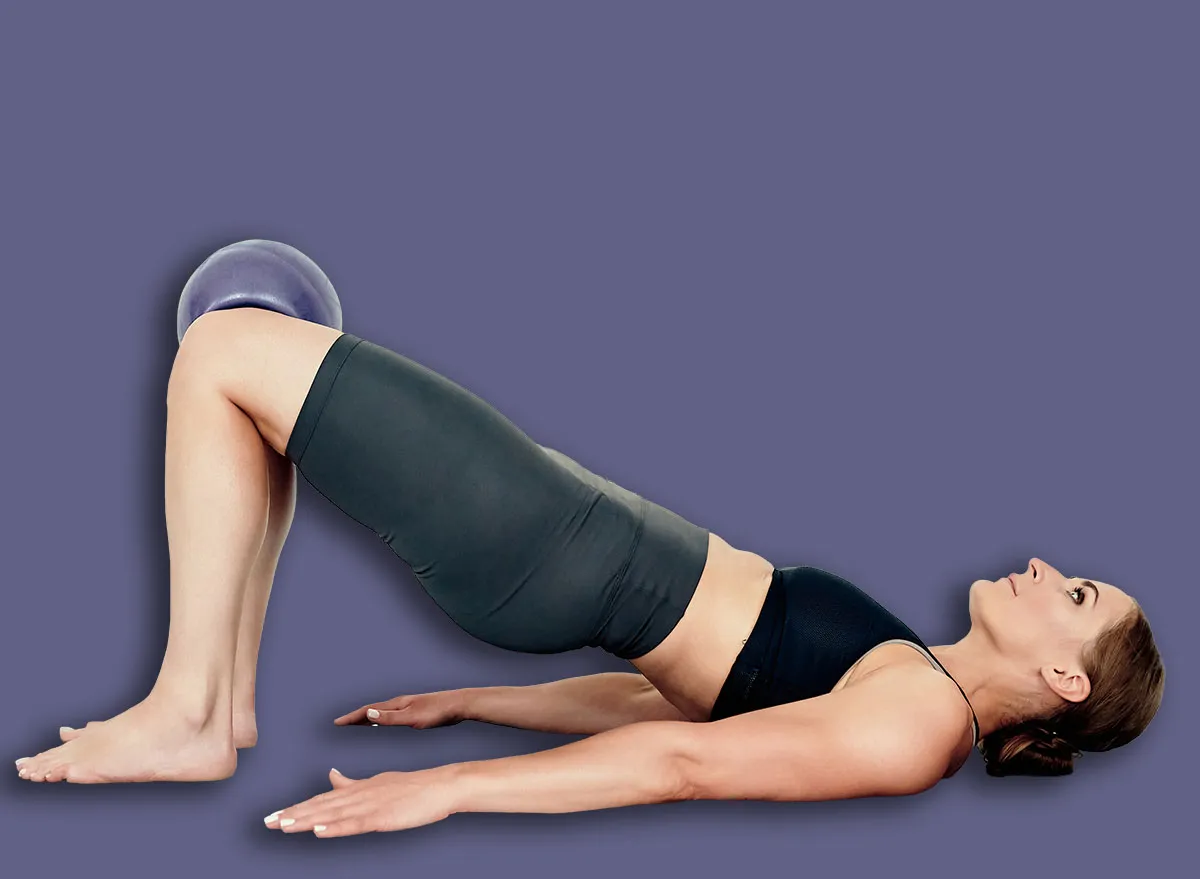
- Muscles Engaged: Gluteus maximus, hamstrings, adductors, and core stabilizers.
- Execution: Begin by lying on your back with knees bent and feet flat on the bed, hip-width apart. Place a pillow or rolled towel between your knees, similar to the Supine Pillow Squeeze. Engage your core, then press through your heels to lift your hips off the bed until your body forms a straight line from your shoulders to your knees, simultaneously squeezing the pillow between your thighs. Slowly lower your hips back down to the starting position with control.
- Recommended Protocol: Complete three sets of 10 to 12 repetitions. Rest for 45 seconds between each set.
- Key Form Pointers: Drive the movement from your heels, ensuring your glutes are doing the work, not just your lower back. Maintain a neutral spine and avoid excessive arching or rounding. Keep your ribs "down" (not flared) at the top of the bridge.
- Progression: Increase the hold time at the top of the bridge, try a slower tempo for both the lift and lower phases, or explore single-leg variations once proficient without the pillow.
3. Side-Lying Inner Thigh Raises
This exercise directly isolates the adductor muscles, promoting targeted strength and definition. It’s particularly beneficial because it allows for focused engagement of the inner thigh without placing undue stress on the knees or hips, making it suitable for individuals with joint sensitivities. Strengthening these muscles enhances leg control and contributes to overall lower-body stability during walking and standing.
- Muscles Engaged: Adductor longus, brevis, magnus, pectineus, and gracilis, with support from hip stabilizers and the core.
- Execution: Lie on your side on the bed, propping your head up with your hand or a pillow for comfort. Extend your bottom leg straight. Bend your top leg and place your foot flat on the bed in front of your bottom knee, or cross it over the bottom leg for support. Keeping your bottom leg straight and foot flexed, slowly lift it towards the ceiling using your inner thigh muscles. Control the movement as you lower it back down without letting it completely rest on the bed.
- Recommended Protocol: Perform three sets of 12 to 15 repetitions on each side. Rest for 45 seconds between sets.
- Key Form Pointers: Keep your hips stacked directly one on top of the other, avoiding any rolling backward or forward. The movement should originate from the inner thigh, not momentum.
- Progression: Introduce ankle weights for added resistance, experiment with slower tempos to increase time under tension, or incorporate a brief hold at the peak of the lift.
4. Seated Inner Thigh Pulses
Seated pulses offer a dynamic yet controlled way to build muscular endurance and awareness within the adductor group. This upright position is beneficial for those who prefer not to lie down for all exercises, while still effectively targeting the inner thighs. The repetitive tension generated by pulses helps to improve firmness and sustained control through the inner legs, crucial for maintaining balance during varied daily movements.
- Muscles Engaged: Adductors, with secondary engagement of hip flexors and core stabilizers.
- Execution: Sit upright on the edge of your bed with your feet flat on the floor, slightly wider than hip-width. You can place your hands on your hips or gently behind you for support. Lean slightly forward from your hips while keeping your back straight. Engage your inner thighs and perform small, controlled pulsing movements, bringing your knees slightly inward and then releasing, without letting them fully relax.
- Recommended Protocol: Complete three sets of 20 to 30 pulses. Rest for 30 seconds between each set.
- Key Form Pointers: Maintain a tall posture through your spine, avoiding any slumping or leaning back excessively. The movement should be small and focused on the inner thighs.
- Progression: Increase the number of pulses, slow down the tempo for greater muscle activation, or incorporate a longer squeeze at the innermost point of the pulse.
5. Side-Lying Leg Circles
Once a foundational level of strength is established, side-lying leg circles introduce a dynamic challenge that improves hip control, coordination, and adductor endurance across multiple planes of motion. The circular motion compels the adductors and surrounding hip stabilizers to work synergistically, enhancing the overall stability and fluidity of leg movement. This exercise helps translate static strength into functional, controlled mobility.
- Muscles Engaged: Adductors, hip stabilizers (including gluteus medius and minimus), and core.
- Execution: Lie on your side on the bed, similar to the side-lying raises, with your head supported. Extend both legs straight, keeping them stacked. Engage your core and lift your top leg a few inches off the bottom leg. From this lifted position, draw small, controlled circles with your top leg, moving forward and then backward. Ensure the movement is deliberate and not driven by momentum.
- Recommended Protocol: Perform two to three sets of 10 circles in each direction (clockwise and counter-clockwise) per side. Rest for 30 seconds between each set.
- Key Form Pointers: Keep the circles small and controlled to maximize muscle engagement rather than relying on momentum. Maintain a stable torso and avoid rocking your body.
- Progression: Gradually increase the size of the circles, perform the movement with a slower tempo, or add light ankle weights once mastery of form is achieved.
Beyond these specific exercises, the most significant improvements in inner thigh firmness and overall lower body confidence stem from a holistic approach to wellness. Consistency is paramount; regular engagement with these exercises, even for short durations, yields far greater benefits than sporadic intense sessions. Complementing this targeted strength work with supportive daily habits amplifies results.
Holistic Strategies for Enhanced Lower Body Wellness:
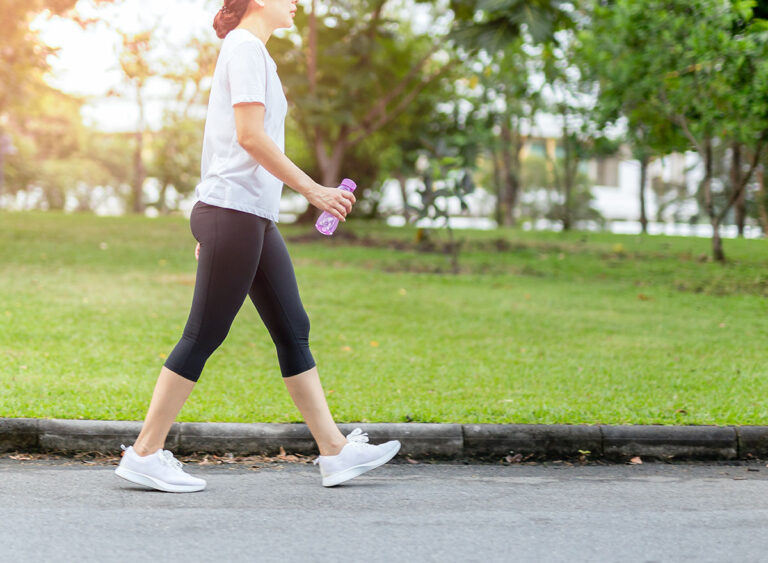
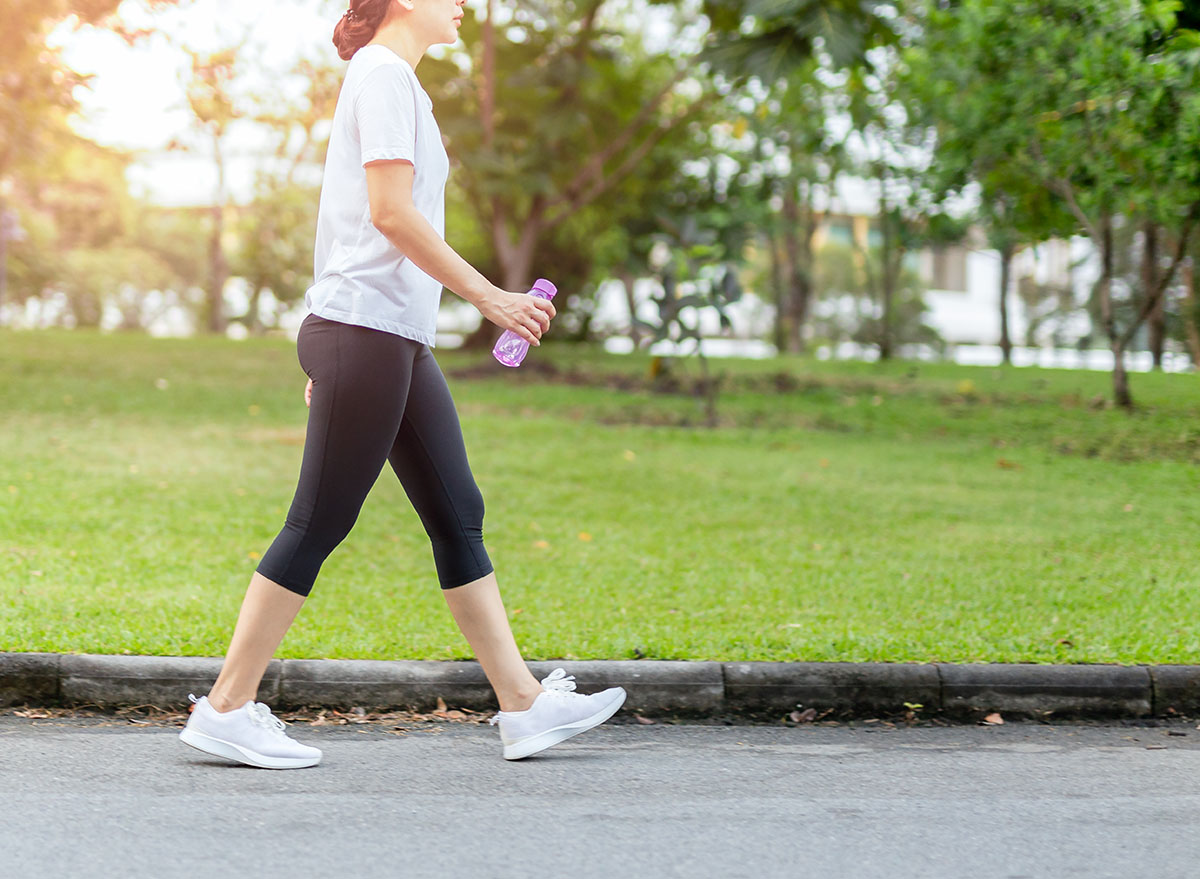
- Prioritize Daily Movement: Integrate consistent, low-impact activities like walking into your routine. Even short, frequent strolls contribute to circulation, muscle activation, and joint health.
- Embrace Gentle Stretching: Regular stretching, particularly for the hip flexors, hamstrings, and adductors, can improve flexibility, reduce muscle stiffness, and enhance range of motion, making strength exercises more effective.
- Maintain Adequate Hydration: Water is crucial for muscle function, joint lubrication, and nutrient transport.
- Focus on Nutrient-Rich Diet: Ensure sufficient protein intake to support muscle repair and growth, especially as sarcopenia becomes a consideration. A balanced diet rich in vitamins and minerals is essential for overall cellular health.
- Listen to Your Body: Pay attention to signals of fatigue or pain. Exercise should challenge you without causing discomfort. Adjust intensity, duration, or rest periods as needed, and consult a healthcare professional for persistent issues.
- Cultivate Patience and Persistence: Physical adaptations take time. Celebrate small victories and remain consistent, understanding that sustained effort leads to significant long-term benefits.
- Consider Professional Guidance: If unsure about proper form or suitable progressions, seeking advice from a certified personal trainer or physical therapist specializing in older adults can provide personalized strategies and ensure safety.
By diligently integrating these targeted bed-based exercises and adopting supportive daily habits, individuals over the age of fifty-five can expect to experience stronger, more supported inner thighs, leading to tangible improvements in lower body confidence, stability, and the overall enjoyment of an active, independent life. This proactive approach to physical well-being ensures that the later years are characterized by vitality and freedom of movement.
About the Author