Maintaining robust physical health becomes increasingly vital as individuals age, with a particular emphasis on core strength. The muscles of the abdomen and back serve as the body’s central powerhouse, influencing everything from balance and posture to daily functional movements. While traditional floor-based exercises are often lauded for their effectiveness in targeting these muscle groups, they can present significant accessibility challenges for older adults. Concerns regarding mobility, joint discomfort, and the inherent difficulty of transitioning to and from the floor can deter many seniors from engaging in crucial core-strengthening activities. This growing need for adaptive fitness solutions has led to an increased focus on seated exercise modalities, which offer a safe, stable, and highly effective alternative for enhancing core stability and promoting a healthier midsection in individuals over the age of 65.
The physiological changes associated with aging frequently contribute to shifts in body composition, including an increase in abdominal adiposity and a reduction in muscle mass, a condition known as sarcopenia. Hormonal fluctuations, a naturally decelerating metabolism, and often a decrease in overall physical activity levels combine to make the accumulation of visceral fat around the midsection more prevalent in later life. Beyond aesthetic concerns, excessive abdominal fat is linked to a higher risk of various health conditions, including cardiovascular disease, type 2 diabetes, and certain cancers. Furthermore, a weakened core directly compromises balance, elevates the risk of falls, and can impede the ability to perform routine tasks, thereby diminishing an individual’s independence and quality of life. Addressing these changes necessitates a targeted, yet accommodating, approach to physical activity.
Traditional abdominal exercises performed on the floor, such as crunches or planks, often demand a certain degree of flexibility, joint mobility, and overall strength that may not be readily available to everyone in their senior years. The process of lowering oneself to the floor and then rising back up can be physically demanding, potentially leading to pain or a fear of instability. This barrier to entry can lead to exercise avoidance, exacerbating the very issues these exercises aim to prevent. Consequently, fitness professionals are increasingly recommending seated variations of core exercises, recognizing their potential to circumvent these obstacles while still delivering substantial benefits.
Felicia Hernandez, a NASM-certified personal trainer and community engagement lead at Eden Health Club, underscores the critical role of accessibility and pelvic stabilization in senior fitness regimens. "For older adults, truly effective training transcends mere intensity; it’s fundamentally about ease of access, consistency, and precise pelvic control," Hernandez explains. She elaborates on how seated exercises empower individuals over 65 to engage their deepest core musculature without encountering the physical discomfort or logistical hurdles often associated with ground-level routines. This adaptable approach fosters greater adherence to exercise programs, which is paramount for achieving sustained health improvements.
The structural support provided by a sturdy chair fundamentally transforms the exercise experience. When seated, particularly towards the front edge of the seat, the body naturally receives valuable postural cues from the chair itself. This setup inherently encourages an upright spinal alignment, which in turn facilitates the activation of the deep core muscles, including the transverse abdominis, often described as the body’s natural corset. This muscular engagement is crucial for stabilizing the spine and pelvis, offering a foundational anchor that allows for controlled movement and effective muscle targeting. The enhanced stability reduces the fear of falling or losing balance, enabling participants to focus more intensely on the specific muscles being worked, thereby maximizing the efficacy of each repetition. The consistent support from the seat allows for more sustained and focused engagement of these vital stabilizing muscles, which might otherwise be compromised by compensatory movements when performed in less supported positions.
The following four seated exercises are specifically designed to bolster core strength, improve posture, and contribute to a more toned abdominal region, all while offering the inherent safety and accessibility of a seated position. These movements prioritize controlled bracing, rotational capacity, and precise activation of the lower abdominal muscles, ensuring comprehensive core engagement.
1. Seated Knee Pull-Ins: This exercise primarily targets the lower abdominal muscles and hip flexors. To perform it, sit tall on the front edge of a stable chair, with feet flat on the floor and hands gripping the sides of the seat for support. Lean back slightly, engaging the core, and then simultaneously draw both knees towards the chest, lifting the feet off the floor. Hold briefly, feeling the contraction in the lower abdomen, then slowly extend the legs back down without letting the feet touch the floor if possible, maintaining core tension. Repeat for 10-15 repetitions, focusing on a slow, controlled movement. This exercise is excellent for building foundational strength in the rectus abdominis and improving hip mobility without putting strain on the lower back.
2. Seated Chops: Addressing rotational power and oblique strength, seated chops are a dynamic core exercise. Begin by sitting upright on the chair with feet firmly planted, shoulder-width apart. Hold a light weight (a small dumbbell, medicine ball, or even a water bottle) with both hands, extending arms diagonally upwards to one side, for instance, over the left shoulder. In a controlled motion, bring the weight diagonally downwards across the body towards the opposite hip (right hip), mimicking a chopping motion. As the weight moves, engage the obliques and rotate the torso, keeping the spine long. Slowly return to the starting position. Complete 10-12 repetitions on one side before switching to the other. This movement enhances oblique muscle definition and improves spinal rotational flexibility, crucial for many daily activities.
3. Seated Marches with Core Bracing: This exercise focuses on dynamic lower abdominal engagement and postural stability. Sit upright with feet flat and hip-width apart. Place hands lightly on the thighs or grip the sides of the chair. Engage the core deeply, imagining drawing the navel towards the spine, creating a "bracing" sensation. While maintaining this core engagement, slowly lift one knee towards the chest as if marching, keeping the back straight and avoiding leaning back. Hold for a moment at the peak of the lift, then gently lower the foot back to the floor. Alternate legs, performing 12-15 repetitions on each side. The key is to maintain consistent core bracing throughout the movement, which strengthens the transverse abdominis and improves coordination.
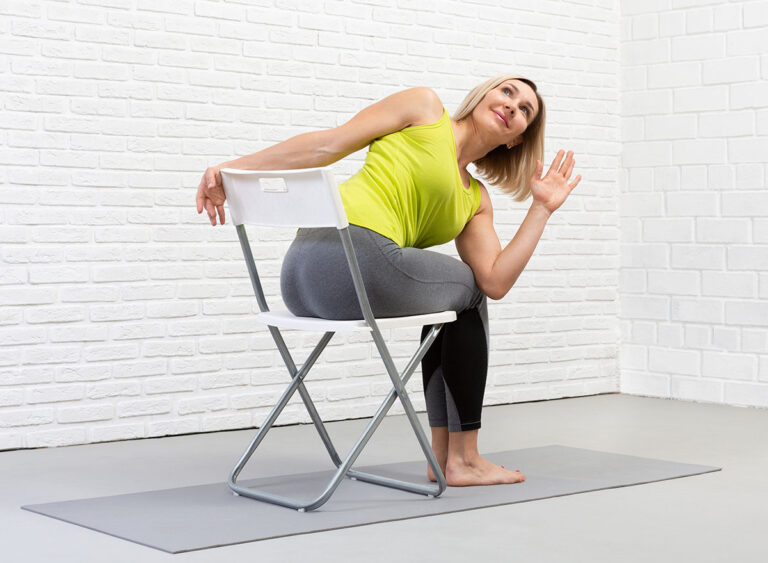
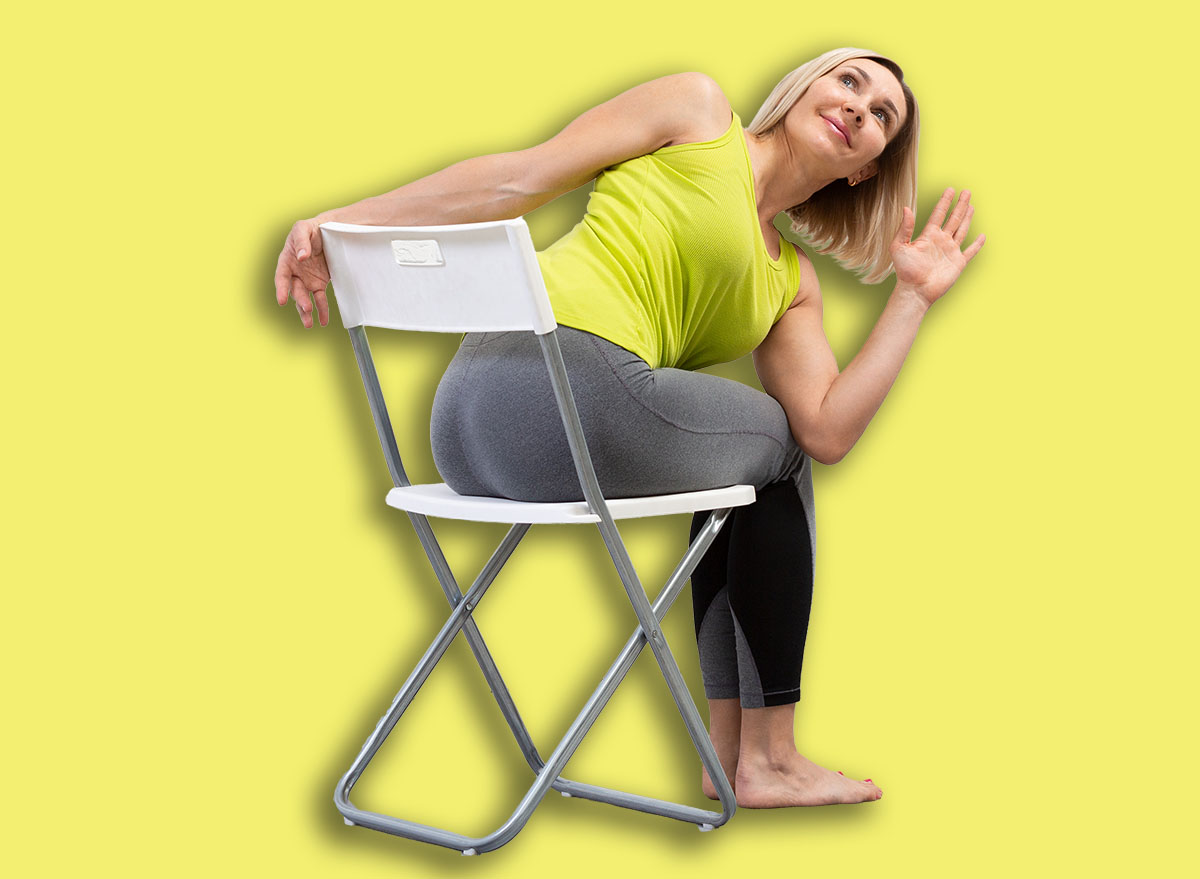
4. Seated Oblique Twists: Designed to target the external and internal oblique muscles, these twists improve spinal mobility and lateral core strength. Sit tall on the chair with feet flat, hip-width apart. Place hands behind the head, elbows wide, or cross arms over the chest. Keeping the hips stable and facing forward, slowly rotate the torso to one side, leading with the rib cage and engaging the side abdominal muscles. Avoid yanking or using momentum. Hold the twist briefly, then gently return to the center. Alternate sides, performing 10-15 rotations in each direction. This exercise is highly effective for sculpting the waistline and increasing the flexibility of the spine, contributing to better overall posture.
While targeted exercises are indispensable, a holistic approach is essential for achieving optimal abdominal health and overall well-being. Incorporating these seated core routines into a broader lifestyle strategy can yield more comprehensive results. This strategy includes adopting a balanced nutritional plan rich in whole foods, lean proteins, and fiber, while minimizing processed foods and excessive sugar intake. Adequate hydration, consistent sleep patterns, and effective stress management techniques are also critical, as they significantly influence hormonal balance and metabolic function, both of which impact fat distribution, particularly in the abdominal region. Furthermore, combining these specific core exercises with regular cardiovascular activity and full-body strength training will amplify the benefits, promoting overall fat reduction and muscle maintenance.
In conclusion, for individuals over the age of 65, the pursuit of a strong, stable core and a healthier midsection does not necessitate strenuous or potentially risky floor-based routines. Accessible seated exercises offer a compelling and highly effective alternative, providing the necessary support and stability to engage core muscles deeply and consistently. By mitigating common barriers to exercise, these routines promote greater adherence and allow older adults to actively participate in maintaining their physical independence, improving their balance, and enhancing their overall quality of life. As always, consulting with a healthcare professional or a certified fitness expert before embarking on any new exercise regimen is strongly advised to ensure the routine is tailored to individual health needs and capabilities.
About the Author