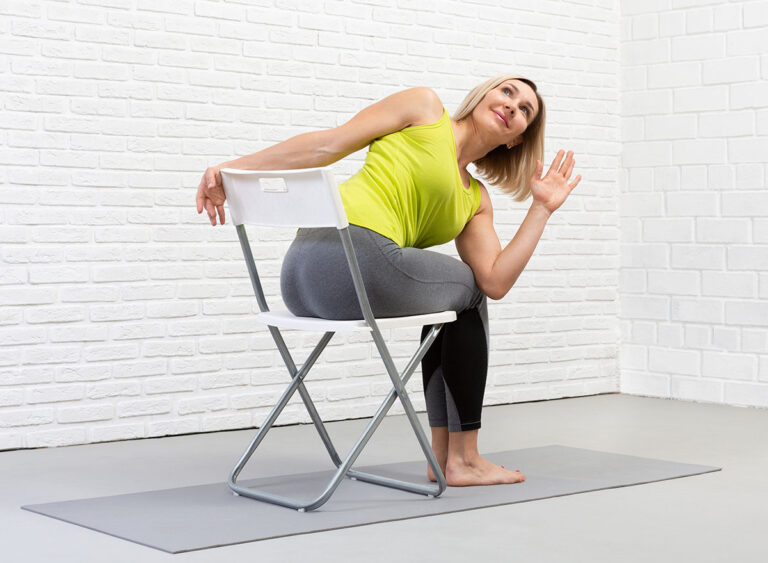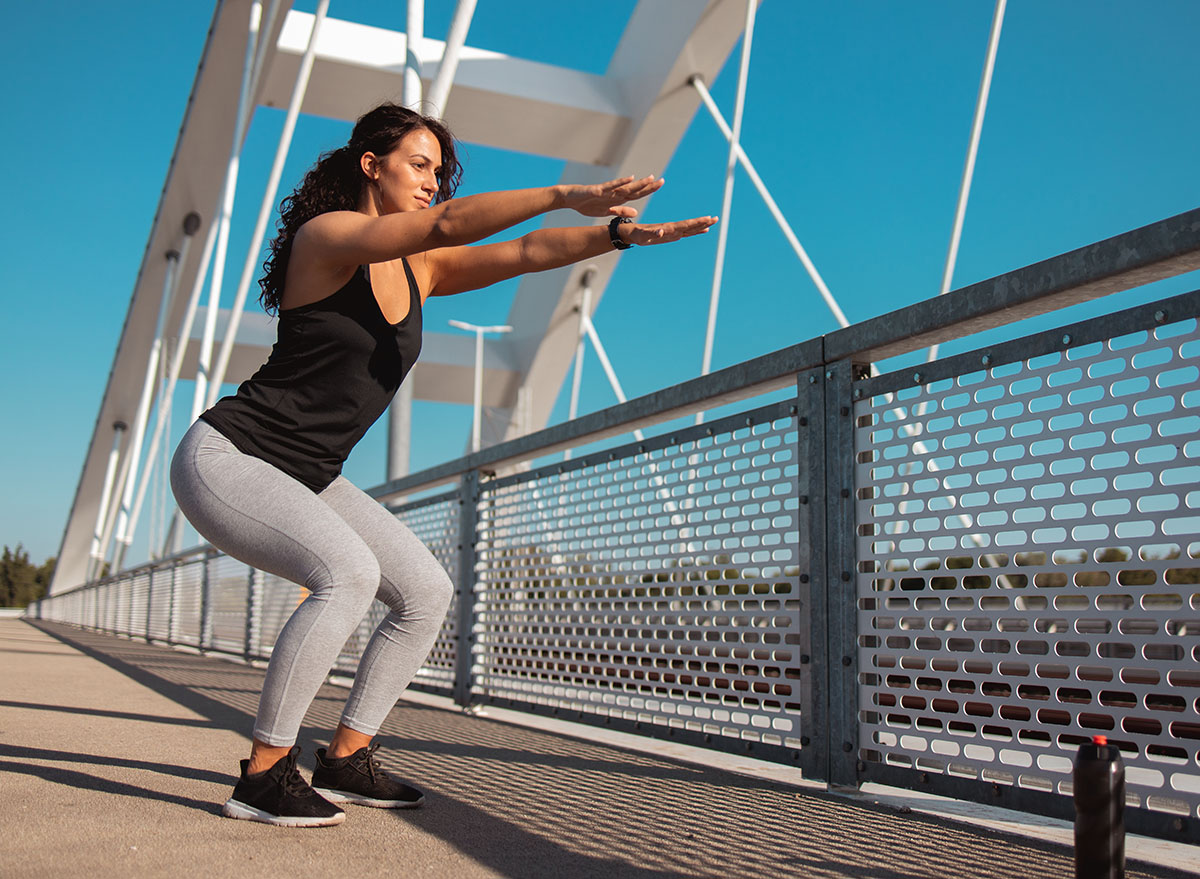
As individuals navigate the landscape of aging, maintaining physical fitness, particularly addressing changes in body composition, becomes an increasingly important focus. One common challenge that often intensifies with age is the accumulation of persistent abdominal fat, frequently referred to as a "lower belly pooch." This phenomenon is not merely a cosmetic concern but can be indicative of deeper physiological shifts that occur post-55, including hormonal fluctuations, a natural decline in muscle mass (sarcopenia), and potential reductions in overall physical activity levels. While traditional cardiovascular exercise is widely lauded for its myriad health benefits, a growing body of expert opinion suggests that for targeted reduction of lower abdominal fat and enhancement of core strength in this demographic, specific standing exercises may offer a more efficient and impactful approach than cardio alone.
The physiological changes experienced by individuals over the age of 55 significantly influence how their bodies store and metabolize fat. Hormonal shifts play a pivotal role; for women, the onset of menopause often correlates with a redistribution of fat from the hips and thighs to the abdominal area, specifically an increase in visceral fat, which surrounds internal organs. Similarly, men may experience a gradual decline in testosterone, contributing to increased abdominal adiposity. Concurrently, sarcopenia, the age-related loss of muscle mass and strength, leads to a slower metabolic rate, making it easier to gain weight and harder to lose it. When muscle mass diminishes, the body burns fewer calories at rest, exacerbating the challenge of managing abdominal fat. Furthermore, reduced mobility or a decrease in daily physical activity can compound these issues, creating a cycle where fat accumulation becomes progressively more difficult to reverse.
Recognizing these unique physiological realities, Eric North, a renowned wellness speaker, coach, and advocate known as The Happiness Warrior, champions a paradigm shift in fitness for older adults. North emphasizes the importance of exercises that not only burn calories but also actively build functional strength and engage multiple muscle groups simultaneously. He posits that while cardiovascular workouts are crucial for heart health and endurance, they may not be the most direct or potent method for sculpting the core and reducing lower abdominal fat, especially when compared to dynamic, standing strength-based movements.
North’s philosophy centers on the efficacy of standing exercises for several compelling reasons. Firstly, these movements inherently demand greater core engagement. Unlike exercises performed lying down, standing postures necessitate constant activation of the deep abdominal muscles—including the transverse abdominis and obliques—along with the lower back muscles, simply to maintain balance and stability against gravity. This continuous, integrated engagement builds a stronger, more resilient core, which is fundamental not only for a flatter abdomen but also for improved posture and reduced risk of falls. Secondly, standing exercises often incorporate larger muscle groups such as the glutes and shoulders, transforming them into full-body movements. This multi-joint activation leads to a significantly higher caloric expenditure per session compared to isolated abdominal work or steady-state cardio. The body is forced to work harder to stabilize and move weight, translating into more efficient fat torching and muscle building.
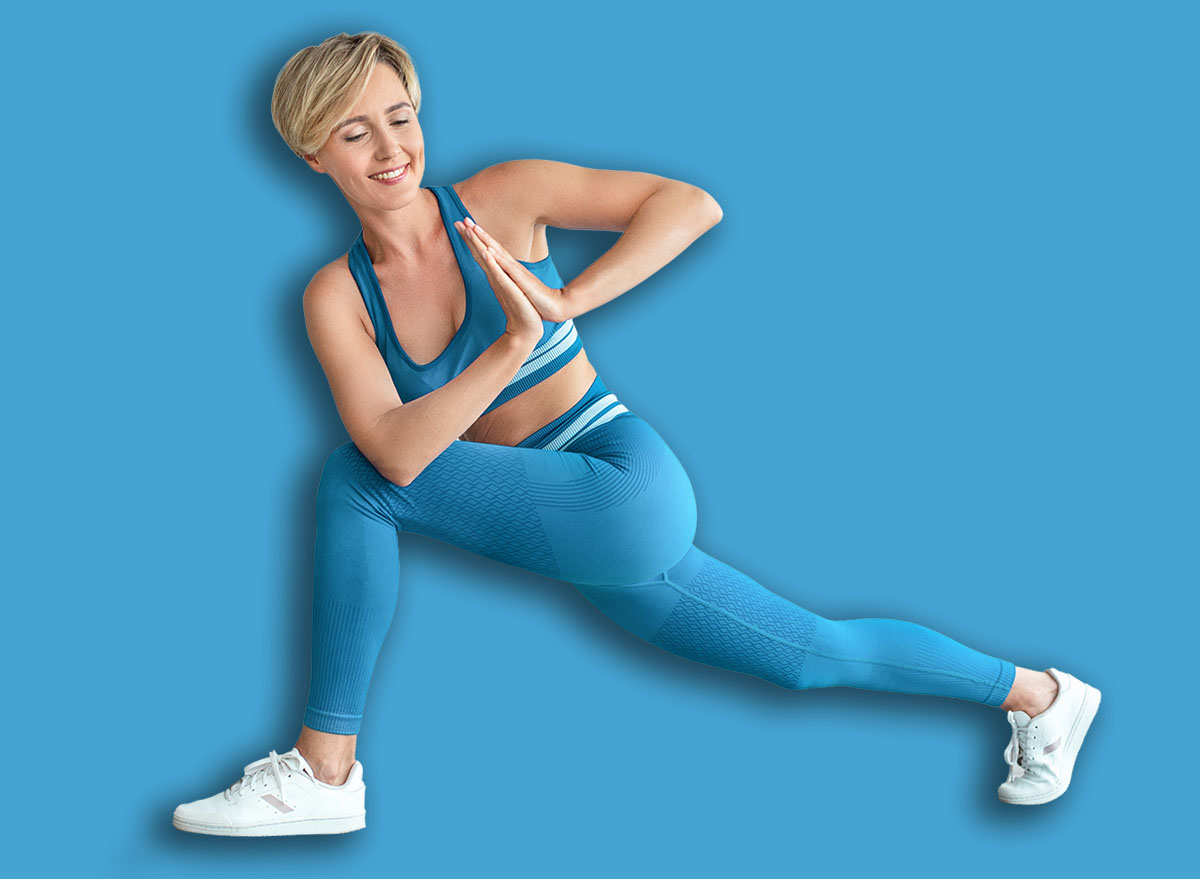
Beyond calorie burn, the functional benefits of standing exercises are particularly pertinent for those over 55. These movements often mimic activities performed in daily life—reaching, twisting, bending, lunging—thereby enhancing real-world strength, balance, and coordination. Improved functional strength contributes directly to maintaining independence and quality of life. Furthermore, by strengthening the musculature that supports the spine and pelvis, these exercises directly contribute to better posture. A well-aligned posture can visually reduce the appearance of a "lower pouch" and, more importantly, alleviate back pain and improve overall physical comfort. North states that this integrated approach, leveraging gravity and multi-muscle engagement, directly targets the problematic lower abdominal region by enhancing underlying muscle tone and promoting localized fat metabolism.
To effectively address lower abdominal adiposity and enhance core strength, individuals over 55 are encouraged to incorporate a routine featuring dynamic standing exercises three to four times weekly. The focus should always be on controlled execution and deliberate activation of the core muscles throughout each movement. Here are five such exercises, designed to be performed without the need for floor mats, as recommended by North:
1. Dumbbell Side Bends (Lateral Dumbbell Flexions):
This exercise primarily targets the oblique muscles, which are crucial for a sculpted waistline and lateral spinal flexibility.
- Execution: Stand tall with feet hip-width apart, holding a light to moderate dumbbell in one hand, arm extended straight down at your side. Keep the other hand behind your head or on your hip. Engage your core, keeping your back straight. Slowly bend directly sideways towards the hand holding the dumbbell, allowing the weight to pull you gently downwards. Feel the stretch on the opposite side of your torso and the contraction on the side with the dumbbell. Avoid leaning forward or backward. Return to the starting upright position by contracting your obliques.
- Benefits: Enhances oblique strength, improves spinal mobility, and contributes to better posture. For older adults, this movement helps maintain flexibility in the torso, essential for daily activities like reaching or twisting.
- Modification: Begin with a lighter weight or no weight at all, focusing purely on the controlled range of motion.
2. High-to-Low Woodchops (Rotational Torso Chops):
This dynamic, full-body exercise engages the entire core, including the obliques, transverse abdominis, and rectus abdominis, while also involving the shoulders and hips.
- Execution: Stand with feet shoulder-width apart, holding a light dumbbell or medicine ball with both hands. Begin with the weight held above one shoulder (e.g., right shoulder). In a controlled motion, twist your torso and bring the weight diagonally across your body, down towards the opposite hip (left hip). Allow your knees to bend and pivot on your feet as you rotate, mimicking a chopping motion. Keep your core tight throughout the movement. Reverse the motion to return to the starting position.
- Benefits: Excellent for rotational core strength, which is vital for everyday movements like turning, lifting, and swinging. It also improves coordination and builds power.
- Modification: Perform without weight initially to master the movement pattern. Focus on a smooth, controlled rotation rather than speed.
3. Standing Knee-to-Elbow Crunch (Standing Oblique Crunches):
This exercise targets the obliques and deep core stabilizers, improving balance and coordination while engaging the lower abdomen.

- Execution: Stand tall with feet hip-width apart, hands lightly placed behind your head or at your temples, elbows wide. Engage your core. Lift one knee towards your chest while simultaneously bringing the opposite elbow down to meet it, crunching your side. Focus on contracting your obliques and drawing your navel towards your spine. Return your foot to the floor and your elbow to its starting position in a controlled manner. Alternate sides.
- Benefits: Directly engages the obliques and lower abdominal muscles, improves balance, and enhances body control.
- Modification: If balancing is challenging, hold onto a sturdy chair or wall for support with one hand. Focus on bringing the knee up and contracting the core, rather than touching the elbow to the knee.
4. Reverse Lunge With Twist (Rotational Lunge):
This compound exercise works the glutes, quadriceps, and hamstrings, while the twisting motion significantly engages the core and improves hip mobility.
- Execution: Stand with feet hip-width apart, hands clasped in front of your chest or holding a light weight. Take a controlled step backward with one leg into a reverse lunge, ensuring your front knee is stacked over your ankle and your back knee hovers just above the floor. As you lunge, rotate your torso towards the front leg, keeping your hips relatively stable. Return to the starting position by pushing off the back foot, untwisting your torso. Alternate legs.
- Benefits: Strengthens lower body, improves balance, and adds a rotational core challenge. This is highly functional for movements like stepping and turning.
- Modification: Perform the lunge without the twist initially. Once comfortable with the lunge, add a smaller, controlled twist. Ensure stable footing.
5. Standing Forward Reach (Standing Abdominal Compression):
This exercise primarily targets the transverse abdominis, the deepest abdominal muscle, which acts like a natural corset to flatten the lower belly and support the spine.
- Execution: Stand tall with feet hip-width apart, knees slightly soft. Extend your arms straight out in front of you at shoulder height, palms facing each other. Engage your core deeply by drawing your navel towards your spine, as if zipping up tight pants. Maintaining this core engagement, slowly hinge forward at your hips, keeping your back straight and arms extended. Reach forward as if trying to touch something far away, feeling the contraction in your deep abdominal muscles and a stretch in your hamstrings. Do not round your back. Return to the upright position by squeezing your glutes and core.
- Benefits: Excellent for activating the transverse abdominis, which is key for a flatter lower abdomen and spinal stability. It also improves hamstring flexibility.
- Modification: Limit the forward hinge to a comfortable range of motion. The primary focus should be on deep core engagement rather than how far you can reach.
Incorporating these standing exercises into a regular fitness regimen, performed with mindful attention to form and core activation, represents a potent strategy for individuals over 55 aiming to reshape their abdominal profile and enhance overall functional strength. This targeted approach, as advocated by experts like Eric North, moves beyond the conventional wisdom of endless cardio, offering a more nuanced and effective path toward sustained health, vitality, and independence in later life. While these exercises are powerful tools, it is crucial to remember that a holistic approach encompassing balanced nutrition, adequate hydration, sufficient sleep, and stress management will amplify results and contribute to enduring well-being. By embracing these dynamic movements, older adults can proactively combat age-related physiological changes, fostering a stronger core and a more active, purposeful future.
About the Author