
In an era defined by fast-paced lifestyles and an increasing focus on wellness, the pursuit of convenient yet effective nutritional solutions has never been more prevalent. Among the myriad of dietary supplements and functional foods, protein bars have emerged as a staple for individuals seeking to bolster their protein intake efficiently. While dietitians consistently advocate for whole, unprocessed foods like lean meats, legumes, and dairy as primary protein sources, the practicality of a portable, pre-portioned bar for on-the-go nourishment is undeniable. For athletes, fitness enthusiasts, busy professionals, or anyone striving for improved satiety and muscle maintenance, selecting the right protein bar can be a critical component of their dietary strategy. This exploration delves into the attributes of several leading protein bars, each distinguished by its substantial protein content—specifically, those delivering upwards of 20 grams per serving—alongside other crucial nutritional considerations.

The fundamental role of protein in human physiology cannot be overstated. As a vital macronutrient, protein is indispensable for myriad bodily functions, including the synthesis and repair of tissues, the production of enzymes and hormones, and the support of a robust immune system. For those engaged in regular physical activity, adequate protein intake is particularly crucial for muscle protein synthesis, facilitating recovery from exercise, and promoting the growth of lean muscle mass. Furthermore, protein contributes significantly to satiety, helping to manage appetite and potentially aiding in weight management by reducing overall caloric intake. The recommended daily allowance for protein typically hovers around 0.8 grams per kilogram of body weight for the average sedentary adult, but this figure can escalate considerably for athletes or individuals with specific fitness goals, sometimes reaching 1.2 to 2.0 grams per kilogram. Protein bars, therefore, serve as a strategic tool to bridge potential nutritional gaps and ensure these elevated protein requirements are met without the need for extensive meal preparation.
However, the efficacy of a protein bar extends far beyond its protein gram count. A discerning approach to selection necessitates a holistic examination of its nutritional profile. Consumers should meticulously scrutinize labels for elements such as sugar content, fiber levels, and the quality of fats. Many protein bars, unfortunately, can masquerade as healthy options while containing excessive amounts of added sugars or artificial ingredients, undermining their purported health benefits. Low sugar content is a hallmark of a superior bar, minimizing unwanted caloric intake and avoiding blood sugar spikes. Conversely, a generous fiber content is highly beneficial, supporting digestive health, enhancing satiety, and contributing to a balanced gut microbiome. The type of protein also matters: whey and casein are popular dairy-derived proteins known for their complete amino acid profiles and varying absorption rates, while plant-based proteins (like pea, soy, or rice protein) offer alternatives for those with dietary restrictions or preferences, though they often require a blend to achieve a complete amino acid profile. Healthy fats, derived from nuts or seeds, provide sustained energy and aid in the absorption of fat-soluble vitamins, adding another layer of nutritional value. Lastly, understanding the bar’s caloric density helps determine its appropriate use—whether as a quick snack, a substantial post-workout recovery aid, or even a meal replacement.
Among the diverse array of options available, several brands have successfully formulated bars that meet the demanding criteria of high protein content while often balancing other nutritional aspects and appealing to taste preferences.
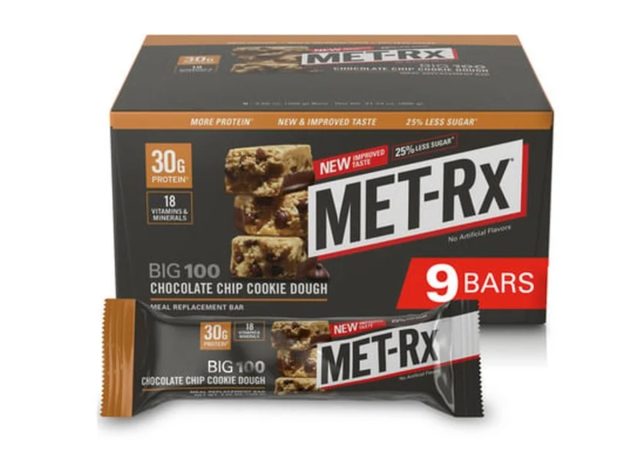
One of the most notable contenders in the high-protein bar segment is the MET-Rx Big 100 Protein Bar. Distinguishing itself with an impressive 32 grams of protein per bar, it often leads the market in sheer protein volume. This substantial protein offering, combined with approximately 400 calories and an infusion of 18 essential vitamins and minerals, including zinc, vitamin A, and vitamin C, positions it less as a simple snack and more as a robust meal replacement or a serious recovery fuel for intense athletic endeavors. Users frequently commend its ability to deliver a significant protein payload without the characteristic "funky whey taste" often associated with high-protein products. Its texture is also often cited as palatable and easy to consume, a crucial factor for a bar of its density. While its price point might be higher than some alternatives, many consumers deem it a worthwhile investment for its superior nutritional contribution and satisfying flavor profiles.
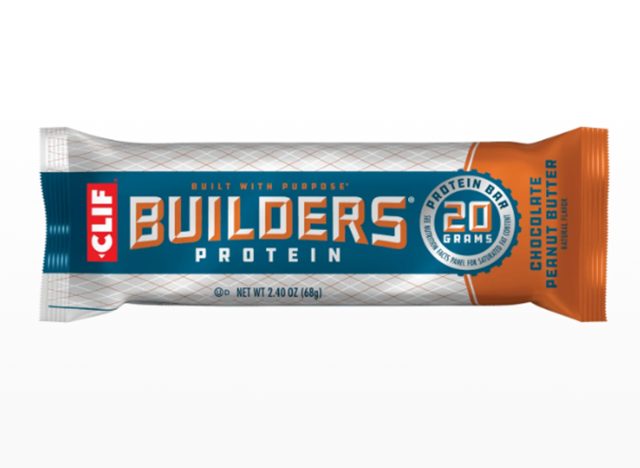
For those seeking a plant-based protein solution, the Clif Builders Protein Bar stands out. Each bar provides a solid 20 grams of plant-derived protein, catering to vegans and individuals preferring non-dairy options. Clif, a brand long associated with outdoor activities and sustained energy, ensures these bars are crafted without artificial sweeteners, aligning with a more natural ingredient philosophy. Available in a variety of classic flavors such as Peanut Butter, Chocolate, Chocolate Peanut Butter, Chocolate Mint, and Vanilla Almond, these bars are described as "dense," offering a substantial chew that contributes to satiety. Enthusiastic feedback from long-term users, including former triathletes, highlights their effective ratio of protein to fats and carbohydrates, making them a reliable dietary staple for those with high energy demands and specific protein targets.
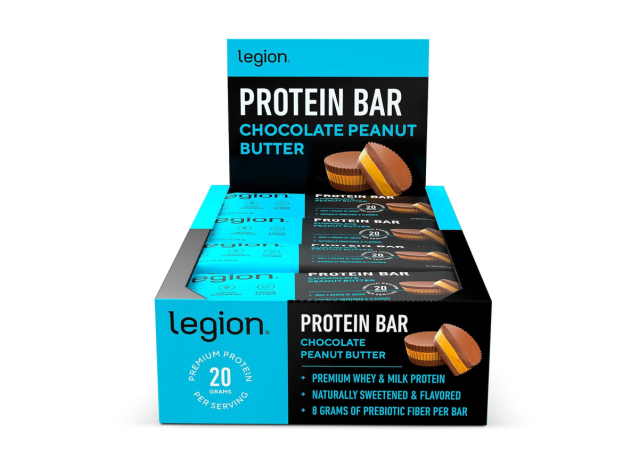
The Legion Protein Bar appeals to a consumer base highly attentive to ingredient quality and digestive health. Each bar delivers 20 grams of protein, combined with a modest 4 grams of sugar and the added benefit of prebiotic fiber. This inclusion of prebiotic fiber is particularly noteworthy, as it supports gut health by nourishing beneficial gut bacteria, which can indirectly enhance overall well-being and nutrient absorption. The brand prides itself on utilizing high-quality protein sources, specifically whey and milk protein, while deliberately avoiding common fillers or less desirable alternatives like sodium or calcium caseinates and soy protein. This commitment to "clean" ingredients and superior protein quality resonates strongly with consumers who prioritize purity in their supplements, often hailing it as a top-tier protein bar in the market for its taste, macros, and suitability for travel.
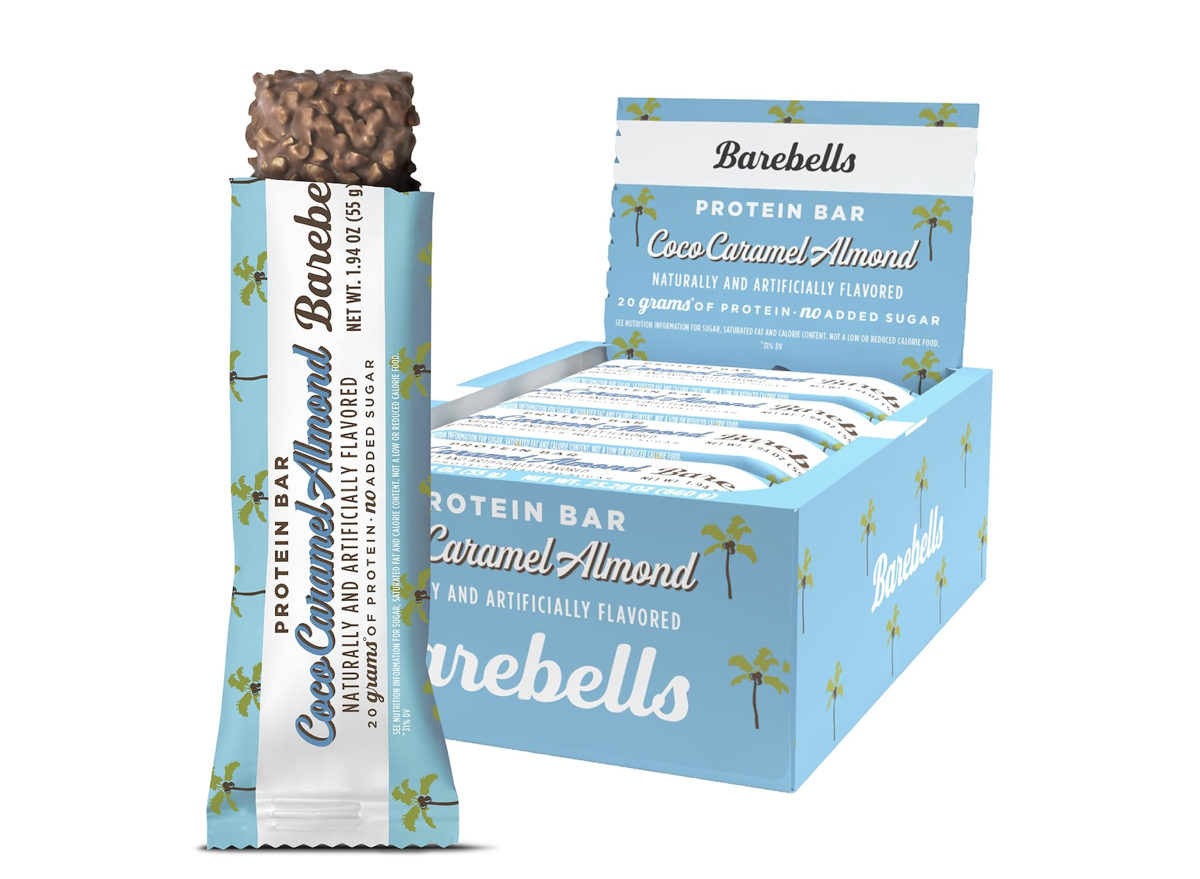
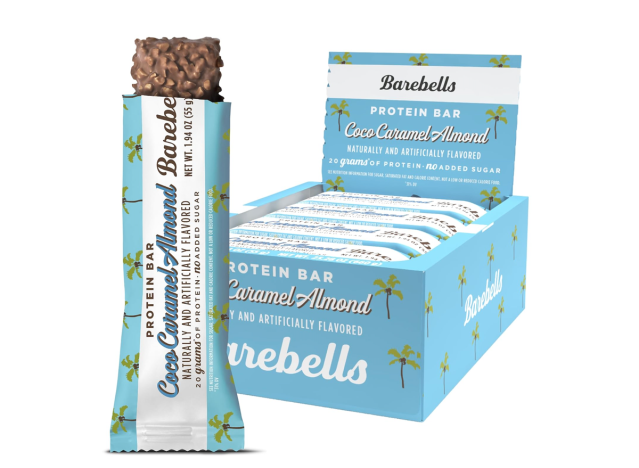
Barebells Protein Bars have garnered significant popularity for their uncanny ability to mimic the indulgent experience of a traditional candy bar, all while packing 20 grams of protein and containing no added sugar. This innovative formulation satisfies sweet cravings without the typical sugar overload, making it an attractive option for those managing sugar intake. Recent flavor introductions, such as Coco Caramel Almond, exemplify their mastery of taste, combining layers of golden caramel, real coconut, silky milk chocolate, and crunchy almonds. Despite the presence of sucralose as a sweetener, many users report a complete absence of the "fake sugar" aftertaste, a common complaint with other artificially sweetened products. The delightful texture, often featuring a satisfying crunch from nuts, further enhances the eating experience, blurring the lines between a health supplement and a decadent treat.
Similarly focused on delivering indulgence with nutritional integrity, FULFIL Protein Bars offer a compelling option, particularly with their recently launched 55-gram bar, which provides 20 grams of protein. These larger bars also boast a remarkably low sugar content, typically around 2 grams, and a minimal net carbohydrate count of 3-4 grams. The expansion in size from their original 40-gram offering provides even greater satisfaction. FULFIL distinguishes itself through creative flavor combinations, including Chocolate Salted Caramel, Chocolate Peanut Caramel, and a unique Chocolate Peanut Butter variant crafted with Reese’s peanut butter. This strategic partnership allows FULFIL to deliver a familiar, beloved taste profile, enabling consumers to indulge their sweet tooth and satisfy cravings for popular confections like a Reese’s cup, all while benefiting from a substantial protein boost and avoiding excessive "junk calories."
The Kind Protein Max bar is another exemplary option that demonstrates a commitment to a balanced nutritional profile beyond just protein. Each bar provides a robust 20 grams of protein, complemented by an impressive 10 grams of fiber, 13 grams of healthy fats, and a mere 1 gram of sugar, all within approximately 240 calories. This thoughtful blend of macronutrients contributes to sustained energy and prolonged satiety, making it an ideal choice for a substantial snack or a mini-meal. The flavor profiles are often characterized by a harmonious balance of sweet and salty notes, preventing either from becoming overwhelming. Consumers consistently laud these bars for their delicious taste and the dual benefit of high protein and fiber, often integrating them into their daily routine as a reliable and enjoyable source of essential nutrients.
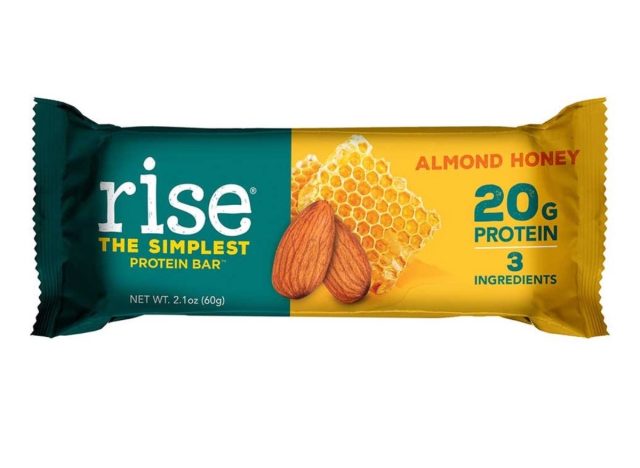
Finally, the Rise Whey Protein Bar emphasizes simplicity and purity, often formulated with a minimal number of ingredients (sometimes as few as three). While some variants may offer slightly less, many Rise bars consistently deliver 20 grams of whey protein per serving, aligning with the high-protein criteria. These non-GMO bars are celebrated for their clean ingredient lists, appealing to consumers who prioritize wholesome, uncomplicated nutrition. Despite their minimalist composition, users frequently praise their natural flavor and satisfying texture. The compact and sturdy nature of Rise bars makes them exceptionally suitable for active lifestyles, whether for outdoor adventures, pre- or post-workout fuel, or simply as a convenient, natural protein source during travel. Their straightforward approach to formulation often places them highly among those seeking an authentic and unadulterated protein experience.
In conclusion, the modern market for protein bars offers a wealth of options for individuals seeking to enhance their dietary protein intake conveniently. While whole foods remain the gold standard, these specialized bars provide a practical and effective means to meet nutritional requirements, especially for active individuals or those with demanding schedules. By moving beyond just the protein count and meticulously evaluating factors such as sugar content, fiber, fat quality, and ingredient sourcing, consumers can make informed choices that align with their specific health objectives and taste preferences. The featured bars—MET-Rx Big 100, Clif Builders, Legion, Barebells, FULFIL, Kind Protein Max, and Rise—each present unique advantages, demonstrating that high-protein supplementation can be both nutritionally sound and genuinely enjoyable, serving as a valuable component of a well-rounded and health-conscious diet.
About the Author