A significant body of research, published in the February 4, 2026, edition of Neurology Open Access, a publication of the American Academy of Neurology, has illuminated a compelling connection between adherence to a Mediterranean-style dietary regimen and a markedly diminished susceptibility to stroke among women. While the study establishes a robust association between this dietary approach and lower stroke risk, it is crucial to underscore that this correlation does not imply a direct causal link or a guaranteed prevention of cerebrovascular events. Rather, the findings highlight a strong statistical relationship between specific food consumption habits and long-term neurological health outcomes.
Investigators meticulously examined stroke rates across a large cohort of women, identifying a discernible trend: those who most rigorously embraced the principles of the Mediterranean diet exhibited lower overall incidences of stroke. This protective effect extended to both major classifications of stroke: ischemic and hemorrhagic. Ischemic strokes, which constitute the predominant form, arise from an obstruction that impedes blood flow to a segment of the brain. Conversely, hemorrhagic strokes occur when a cerebral blood vessel ruptures, leading to internal bleeding within the brain.
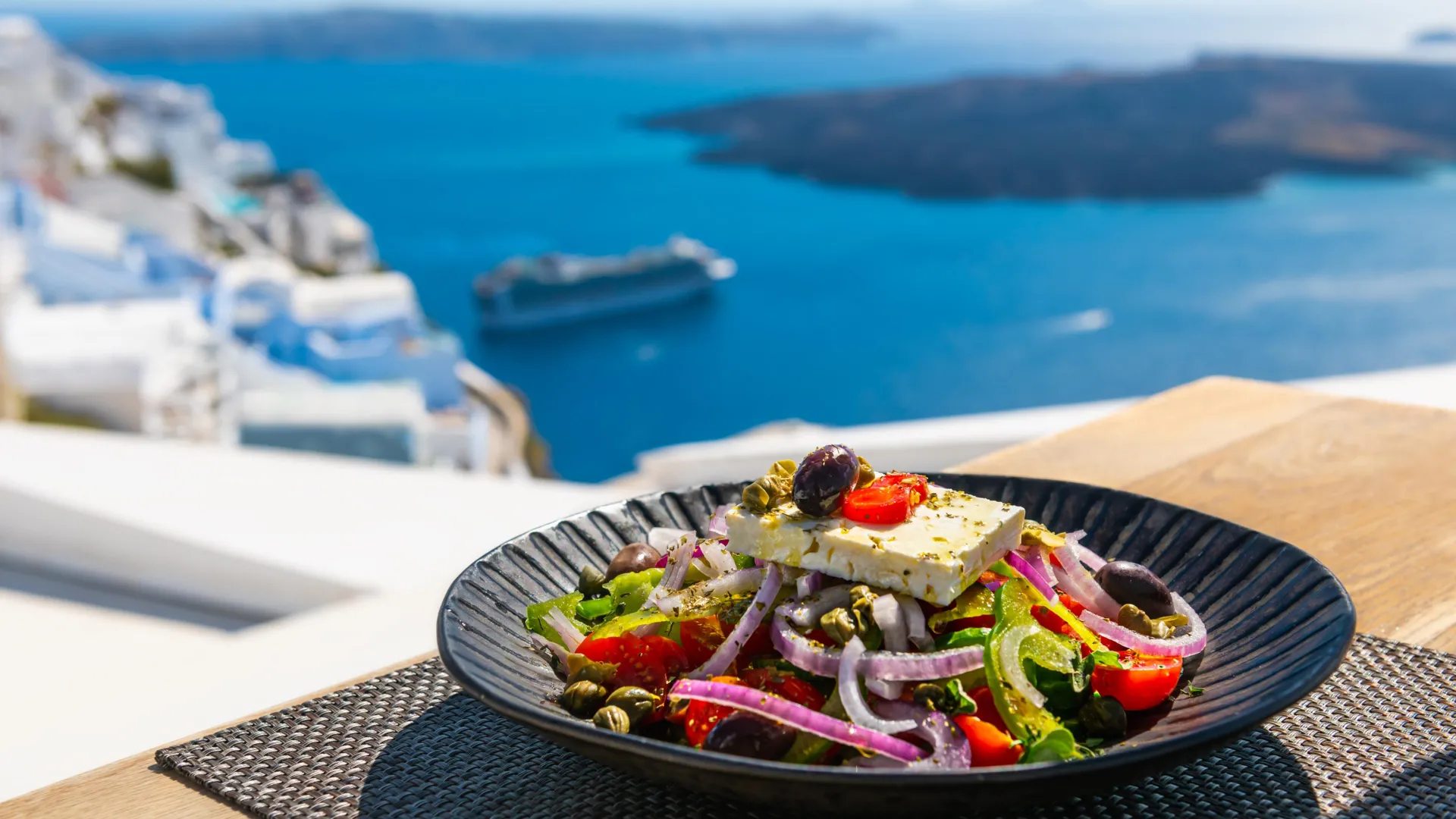
At its core, the Mediterranean dietary framework prioritizes the consumption of a wide array of plant-based foods, including abundant vegetables, fruits, legumes, and an emphasis on fish as a protein source. It champions healthy fats, predominantly from olive oil, while advocating for a reduction in the intake of less beneficial foods such as dairy products, red meat, and items laden with saturated fatty acids.
Dr. Sophia S. Wang, PhD, a distinguished researcher at the City of Hope Comprehensive Cancer Center in Duarte, California, and a lead author of the study, remarked on the significance of these findings. "Our results provide further substantiation for the growing body of evidence that underscores the paramount importance of a healthful diet in the endeavor of stroke prevention," she stated. Dr. Wang further expressed particular interest in the observed impact on hemorrhagic stroke. "We were especially keen to note that this dietary pattern appears to confer a benefit against hemorrhagic stroke, a type of cerebrovascular event that has been the subject of fewer large-scale investigations," she added.
The foundation of this extensive research was laid upon the dietary habits and subsequent health trajectories of an impressive cohort of 105,614 women. Crucially, these participants were free from any history of stroke at the commencement of the study, and their average age was 53 years. To ascertain their dietary patterns, each woman completed a comprehensive questionnaire detailing her eating habits at the study’s outset. Based on the responses, researchers meticulously calculated a score for each participant, ranging from zero to nine, reflecting the degree to which their diet aligned with established Mediterranean eating guidelines.
The scoring system awarded points for exceeding population averages in the consumption of whole grain cereals, fruits, vegetables, legumes, olive oil, and fish. A moderate intake of alcohol also contributed a point. Conversely, participants received points for consuming less red meat and dairy than the average. The study revealed a clear stratification within the cohort: approximately 30% of the women achieved the highest scores, ranging from six to nine, indicating strong adherence to the Mediterranean diet. At the other end of the spectrum, about 13% of participants fell into the lowest scoring group, with scores between zero and two, signifying minimal adherence.
Over an observational period spanning an average of 21 years, researchers diligently tracked the health outcomes of these women, meticulously documenting a total of 4,083 stroke events. This comprehensive tally included 3,358 instances of ischemic stroke and 725 instances of hemorrhagic stroke. Analysis of the data revealed a notable disparity in stroke occurrences between the highest and lowest diet score groups. In the group demonstrating the highest adherence to the Mediterranean diet, 1,058 ischemic strokes were recorded. In stark contrast, the group with the lowest adherence experienced 395 cases of ischemic stroke. A similar trend was observed for hemorrhagic strokes, with 211 cases reported in the highest adherence group and 91 cases in the lowest.
Even after statistically controlling for a multitude of other well-established stroke risk factors, such as tobacco use, sedentary lifestyles, and the presence of hypertension (high blood pressure), the observed differences in stroke incidence remained statistically significant. Women who exhibited the highest scores for Mediterranean diet adherence were found to be 18% less likely to experience any type of stroke when compared to their counterparts in the lowest adherence group. The reduction in risk was specifically quantified at 16% for ischemic strokes and a more substantial 25% for hemorrhagic strokes.
"Stroke continues to be a leading cause of mortality and long-term disability globally, making it profoundly encouraging to consider that dietary modifications could play a pivotal role in mitigating the risk of this devastating condition," stated Dr. Wang. She further emphasized the need for continued research. "Further investigations are essential to independently corroborate these findings and to deepen our understanding of the underlying biological and physiological mechanisms responsible for these observed effects. Such insights could pave the way for the development of novel and more targeted stroke prevention strategies," she concluded.
It is important to acknowledge the inherent limitations of the study, a primary one being the reliance on self-reported dietary information. This methodology, while practical for large-scale studies, carries the potential for recall bias, meaning some participants might not have accurately remembered or reported their precise eating habits, thereby introducing a degree of uncertainty into the data. The foundational research that enabled this significant publication was generously supported by funding from the National Institute of Neurological Diseases and Stroke, underscoring the national commitment to advancing our understanding of neurological health. The findings from this study contribute a vital piece to the intricate puzzle of stroke prevention, reinforcing the long-held understanding of the profound impact of nutrition on cardiovascular and neurological well-being.
About the Author