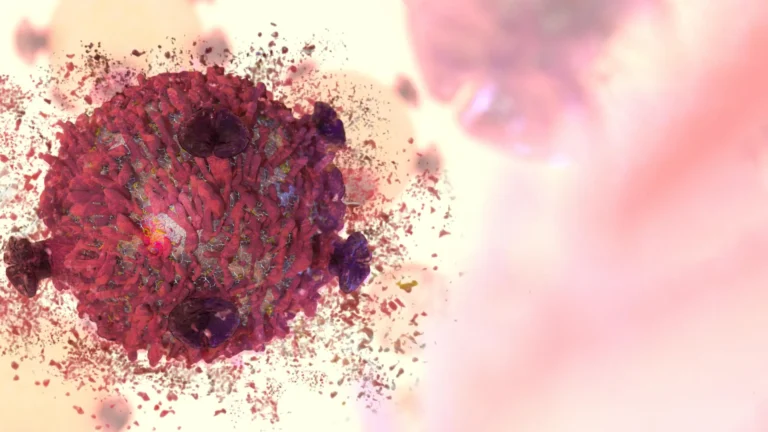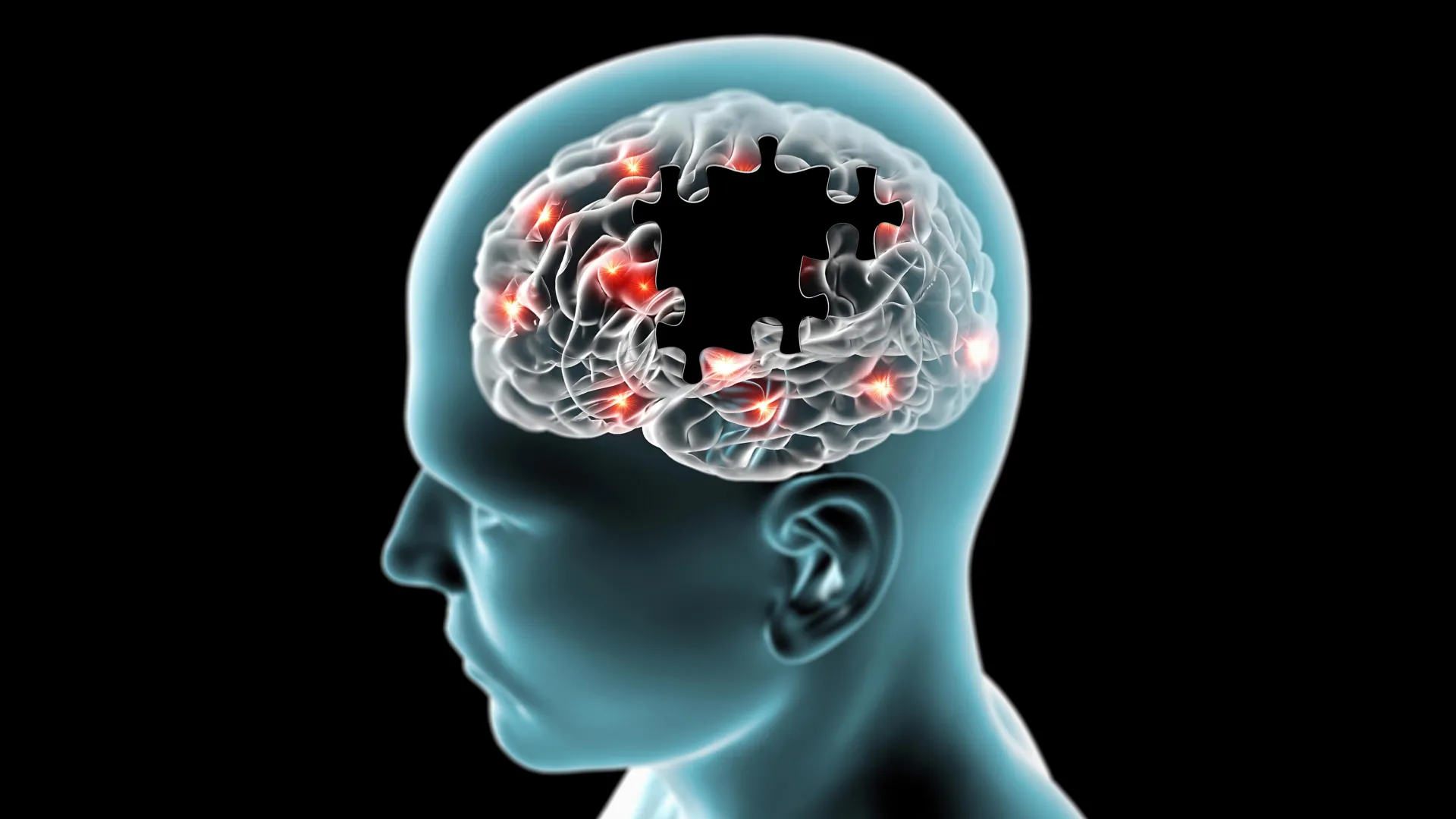
An experimental therapeutic agent, originating from research at Northwestern University, has presented compelling new evidence of its potential to intercept Alzheimer’s disease in its nascent stages, prior to the onset of discernible cognitive impairment. This groundbreaking development centers on the identification of a particularly pernicious variant of amyloid-beta oligomers, microscopic protein aggregates that play a pivotal role in initiating the cascade of neurological damage characteristic of Alzheimer’s. The investigative team has pinpointed this specific oligomer subtype as a key instigator of early cellular dysfunction, inflammatory responses within the brain, and the activation of immune cells, all precursors to the devastating memory loss associated with the disease.
The drug candidate, a small-molecule compound designated NU-9, has demonstrated a remarkable capacity to diminish the levels of this highly toxic amyloid-beta oligomer subtype. In rigorous testing utilizing a preclinical model of Alzheimer’s disease in mice, NU-9 not only reduced the presence of these harmful aggregates but also significantly mitigated the cellular damage they inflict. This targeted approach, aimed at intervening at the very genesis of Alzheimer’s pathology, fuels optimism that NU-9 could potentially serve as a prophylactic measure, either preventing the disease entirely or substantially delaying its inexorable progression and the eventual destruction of neurons. The research underscores a paradigm shift in Alzheimer’s treatment strategy, advocating for interventions that target the disease’s earliest molecular signatures, long before clinical symptoms become apparent.
The comprehensive findings of this pivotal study are slated for publication on December 18th in Alzheimer’s and Dementia: The Journal of the Alzheimer’s Association, a leading peer-reviewed publication in the field. Dr. Daniel Kranz, the lead author of the study and a recent Ph.D. graduate from Northwestern’s Interdisciplinary Biological Sciences (IBiS) program, emphasized the critical timing of intervention. He explained that Alzheimer’s disease embarks on its insidious journey decades before overt symptoms manifest, with early pathological events such as the intracellular accumulation of toxic amyloid-beta oligomers and the subsequent reactivity of glial cells occurring long before any noticeable decline in memory. By the time cognitive deficits emerge, the underlying disease process is already profoundly advanced, a scenario that has likely contributed to the high failure rate of numerous clinical trials. Dr. Kranz highlighted that their research deliberately administered NU-9 before the onset of symptoms, effectively modeling the crucial pre-symptomatic window for therapeutic intervention.
William Klein, the corresponding author of the study and a distinguished professor of neurobiology at Northwestern’s Weinberg College of Arts and Sciences, echoed Dr. Kranz’s sentiments. Professor Klein, a renowned expert in Alzheimer’s research and a co-founder of Acumen Pharmaceuticals, which is developing a therapeutic antibody targeting the identified amyloid-beta oligomer subtype, underscored the fundamental challenge of late-stage intervention. He noted that by the time individuals experience memory loss, the pathological changes within the brain are already extensive and difficult to reverse. The team’s strategy with NU-9 aims to disrupt the disease process at its earliest, most vulnerable stage. Richard Silverman, a key co-author and inventor of NU-9, is a highly respected figure in medicinal chemistry. Professor Silverman, whose previous inventions include pregabalin (Lyrica), a widely used medication for fibromyalgia, nerve pain, and epilepsy, is the Patrick G. Ryan/Aon Professor in Weinberg’s Department of Chemistry and the founder of Akava Therapeutics, a company established to commercialize NU-9, now known as AKV9.
The conceptualization of NU-9 dates back approximately fifteen years, stemming from Professor Silverman’s extensive research efforts focused on developing small-molecule compounds capable of inhibiting the formation of toxic protein aggregates implicated in various neurodegenerative disorders. The compound’s therapeutic potential was initially showcased in 2021, when it demonstrated efficacy in animal models of amyotrophic lateral sclerosis (ALS). In these ALS models, NU-9 successfully cleared toxic SOD1 and TDP-43 proteins and restored the functionality of upper motor neurons. Building on this success, NU-9 received clearance from the U.S. Food and Drug Administration in 2024 to commence human clinical trials for ALS.
More recently, in early 2024, Professor Silverman, Professor Klein, and Dr. Kranz extended their investigation to assess NU-9’s efficacy in the context of Alzheimer’s disease. In a preceding study, NU-9 proved effective in clearing toxic amyloid-beta oligomers from laboratory-grown brain cells derived from the hippocampus, a brain region critically involved in learning and memory formation. Professor Klein articulated the unifying principle behind NU-9’s broad therapeutic potential: "In both ALS and Alzheimer’s disease, cells suffer from toxic protein buildup. Cells have a mechanism to get rid of these proteins, but it gets damaged in degenerative diseases like ALS and Alzheimer’s. NU-9 is rescuing the pathway that saves the cell." This suggests a fundamental mechanism of action that addresses a common cellular vulnerability in neurodegenerative conditions.
To further validate and expand upon the drug’s promise in treating Alzheimer’s disease, the research consortium set out to rigorously evaluate its ability to halt the earliest pathological changes. The current study involved administering NU-9 to a pre-symptomatic mouse model engineered to develop Alzheimer’s-like pathology. These mice were administered a daily oral dosage of NU-9 for a period of sixty days. The outcomes observed were profoundly encouraging. NU-9 significantly attenuated reactive astrogliosis, a hallmark of neuroinflammation that typically escalates long before any behavioral or cognitive symptoms become evident. Furthermore, the number of toxic amyloid-beta oligomers found to be bound to astrocytes—the star-shaped glial cells that provide crucial support and protection to neurons and regulate the brain’s inflammatory response—experienced a substantial reduction. Compounding these positive effects, an abnormal conformation of the TDP-43 protein, a known marker of neurodegenerative diseases and a contributor to cognitive impairments, also showed a marked decrease.
Professor Klein expressed his astonishment at the magnitude of these findings, stating, "These results are stunning. NU-9 had an outstanding effect on reactive astrogliosis, which is the essence of neuroinflammation and linked to the early stage of the disease." The observed improvements were not confined to localized areas but were evident across multiple brain regions, indicating that NU-9 possesses a systemic, brain-wide anti-inflammatory effect. This widespread impact is crucial for addressing a disease that affects the brain diffusely.
During their in-depth investigation of NU-9’s effects on the pre-symptomatic Alzheimer’s mouse model, the research team uncovered an unexpected and significant finding. For many years, the scientific consensus has largely viewed amyloid-beta oligomers as more detrimental than the larger amyloid-beta fibrils that coalesce to form the characteristic plaques observed later in the disease progression. However, this research has illuminated the critical fact that not all amyloid-beta oligomers are created equal. The Northwestern scientists have identified a specific subtype that exhibits particularly toxic properties.
Dr. Kranz elaborated on this crucial discovery: "We identified a distinct amyloid beta oligomer subtype that appears inside neurons and on nearby reactive astrocytes very early in the disease. It potentially acts as an instigator of early Alzheimer’s pathology." This specific subtype, provisionally termed ACU193+ due to its detection by the ACU193 antibody, was observed to first appear within stressed neurons. Subsequently, these oligomers appear to migrate and adhere to the surfaces of adjacent astrocytes. The binding of ACU193+ oligomers to astrocytes is hypothesized to trigger a cascading inflammatory response that permeates the brain, initiating the pathological process long before any memory deficits become apparent.
The potent ability of NU-9 to target and substantially reduce this specific toxic subtype strongly suggests its exceptional utility in intervening at Alzheimer’s earliest, most treatable stages. By effectively diminishing the prevalence of ACU193+ oligomers, NU-9 holds the potential to prevent the detrimental activation of astrocytes. While astrocytes serve as the brain’s primary defense mechanism, their prolonged activation into a reactive state can become destructive. This aberrant reactivity leads to synaptic damage, the release of pro-inflammatory molecules, and an acceleration of neurodegeneration. Therefore, interrupting this destructive cycle represents a potentially powerful strategy for slowing the advancement of Alzheimer’s disease.
Both Dr. Kranz and Professor Silverman drew parallels between this therapeutic approach and established preventative strategies in other major diseases, such as cancer and heart disease. Professor Silverman remarked, "Most people are used to monitoring their cholesterol levels. If you have high cholesterol, it doesn’t mean that you will have a heart attack soon. But it’s time to take drugs to lower your cholesterol levels to prevent that heart attack from happening down the road. NU-9 could play a similar role. If someone has a biomarker signaling Alzheimer’s disease, then they could start taking NU-9 before symptoms appear." This analogy highlights the concept of proactive intervention based on early biological indicators.
Professor Klein further emphasized the synergistic potential of early diagnostics and effective therapeutics. He stated, "There are a couple early diagnostic blood tests for Alzheimer’s disease in development. The promise of better early diagnostics — combined with a drug that could stop the disease in its tracks — is the goal." The convergence of advanced diagnostic tools and disease-modifying treatments represents the ultimate aspiration for combating Alzheimer’s.
The research team is actively pursuing further validation of NU-9’s therapeutic efficacy. Current efforts include testing the drug in additional animal models of Alzheimer’s disease, including models of late-onset Alzheimer’s that more closely mirror the typical aging process in humans. The researchers also intend to conduct longer-term studies to ascertain whether symptoms develop in treated animals and to meticulously examine how early intervention with NU-9 influences memory function and neuronal health over extended periods. The study, titled "Identification of a glia-associated amyloid beta oligomer subtype and the rescue from reactive astrogliosis by inhibitor NU-9," received vital support from the National Institute of Health under grant AG061708.
About the Author