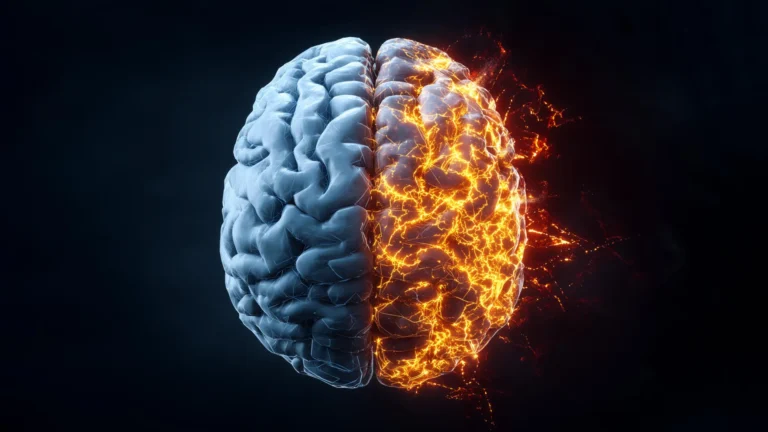
A groundbreaking investigation conducted at the University of Victoria (UVic) has illuminated the potential of a specific protein to concurrently address critical issues of intestinal permeability, colloquially termed "leaky gut," and the debilitating symptoms associated with severe depression. Published in the esteemed journal Chronic Stress, this research posits that a naturally occurring glycoprotein, identified as Reelin, could represent a significant therapeutic avenue for enhancing both digestive health and psychological well-being.
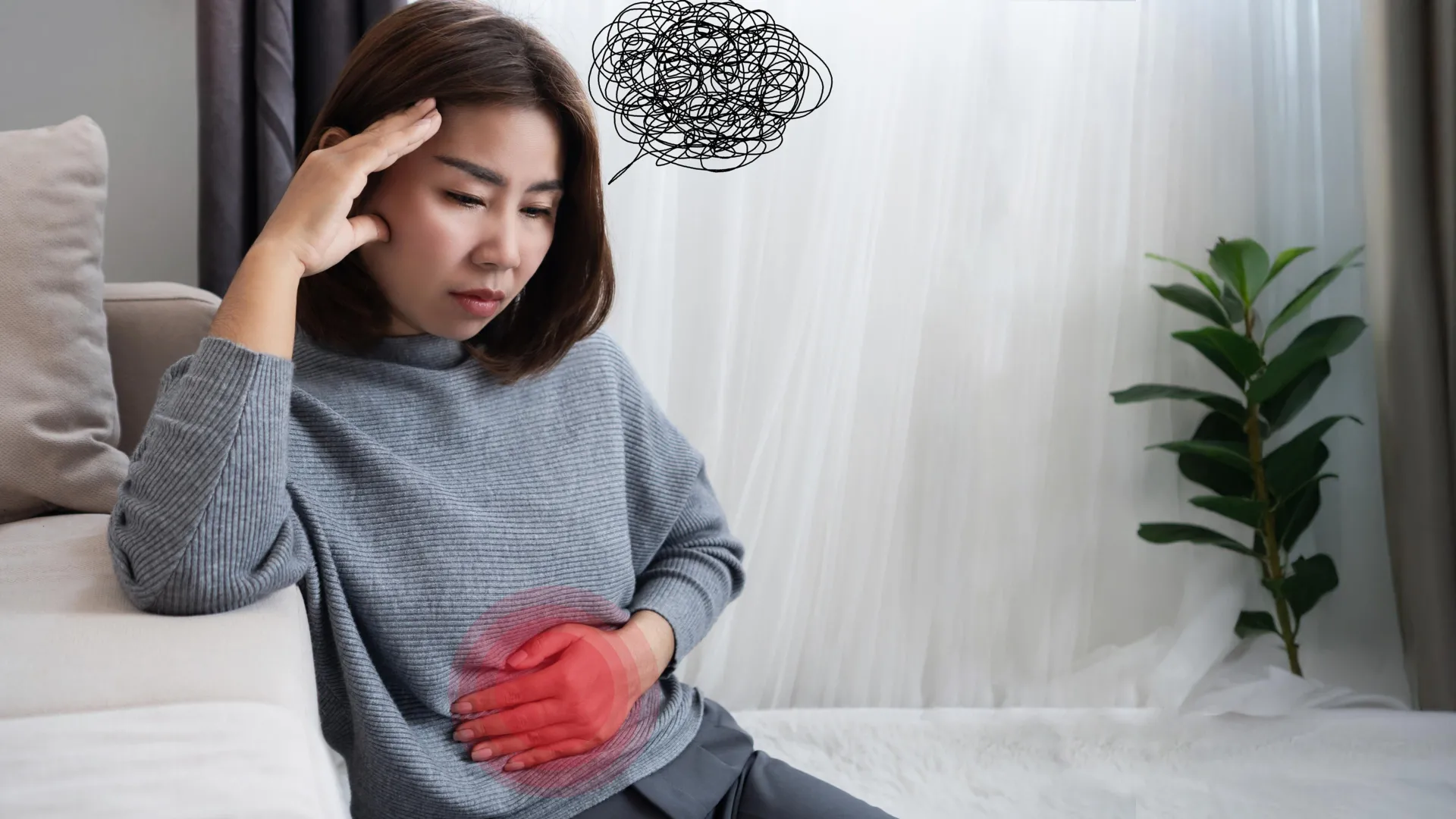
The intricate network of the gastrointestinal system, encompassing the stomach, colon, and intestines, serves as a vigilant gatekeeper in a healthy organism, meticulously regulating the passage of nutrients from the digestive tract into the bloodstream. This delicate equilibrium, however, is profoundly vulnerable to the pervasive effects of prolonged stress and stress-induced conditions, including major depressive disorder (MDD). Over extended periods of duress, the integrity of the gut barrier can be compromised, leading to an increased permeability—the phenomenon widely known as "leaky gut." This compromised state allows for the inadvertent translocation of deleterious bacteria and toxins from the intestinal lumen into the systemic circulation. Such an event can trigger a robust inflammatory response from the immune system, a cascade that has been increasingly implicated in the exacerbation of depressive symptoms. Consequently, therapeutic strategies designed to fortify and restore the gut barrier are gaining traction as a means to mitigate the onset or severity of MDD.
At the forefront of this promising research is Hector Caruncho, a distinguished professor of medical sciences at UVic and the corresponding author of the study, who suggests that therapies leveraging the capabilities of Reelin might usher in a novel paradigm for simultaneously addressing the complex interplay between gut and brain health. Reelin is a multifaceted protein found ubiquitously throughout the human body, with significant concentrations detected in neural tissues, the circulatory system, the liver, and the intestinal tract. Professor Caruncho articulated the study’s core objective: "This investigation was meticulously designed to elucidate the precise role of Reelin within the gastrointestinal environment, particularly under conditions characterized by chronic psychological stress. The intricate communication pathway between the gut and the brain, often referred to as the gut-brain axis, is proving to be indispensable for a comprehensive understanding of numerous psychiatric ailments, including depression."
The preclinical models employed in this research yielded compelling observations: chronic stress was found to induce a discernible reduction in Reelin levels within the intestinal tissues. Strikingly, a singular administration of a minuscule dose, precisely 3 micrograms (3 µg), of Reelin proved sufficient to restore these diminished levels to their baseline, healthy state. This finding underscores the protein’s potential for potent restorative effects.
Furthermore, the study builds upon a foundation of prior scientific inquiry that has consistently linked lower Reelin concentrations in the brain to diagnoses of major depressive disorder in human subjects. Analogous decrements in Reelin levels have also been documented in rodent subjects subjected to chronic stress protocols. In these animal models, a solitary intravenous infusion of the same 3 µg dosage of Reelin elicited observable antidepressant-like behavioral effects. Compounding these findings, previous investigations have established Reelin’s indispensable role in the physiological process of intestinal lining regeneration. Ciara Halvorson, a doctoral candidate in neuroscience at UVic and the study’s lead author, emphasized the profound implications of these combined results: "Collectively, these findings hold significant promise for the future management of major depressive disorder, particularly for individuals who contend with the dual burden of depression and co-occurring gastrointestinal disorders."
The gut lining undergoes a remarkable process of rapid cellular turnover, with the epithelial cells being replenished approximately every four to five days under normal physiological conditions. This accelerated renewal is a critical adaptive mechanism, essential for maintaining the integrity of the barrier, given its constant exposure to potentially noxious ingested substances and the endogenous microbial environment. The hypothesis put forth by the researchers is that Reelin plays a protective role against the development of leaky gut by actively supporting and facilitating this vital process of gut lining regeneration. By bolstering the gut barrier’s resilience, Reelin may, by extension, offer a protective buffer against the exacerbation of depressive symptoms that are often precipitated by inflammatory immune responses triggered by the leakage of intestinal contents.
While the current findings represent a significant leap forward, the researchers are candid about the need for further investigation before Reelin-based therapeutic interventions can be translated into clinical practice. Nevertheless, the study’s outcomes illuminate a highly promising and novel therapeutic strategy. By targeting the intricate bidirectional communication between the brain and the gut, Reelin holds the potential to offer a more holistic and comprehensive approach to the treatment of depression, addressing both its neurological and gastrointestinal underpinnings. The research was generously supported by funding from two prominent Canadian research agencies: the Canadian Institutes of Health Research (CIHR) and the Natural Sciences and Engineering Research Council of Canada (NSERC), underscoring the national importance and potential impact of this scientific endeavor.
About the Author