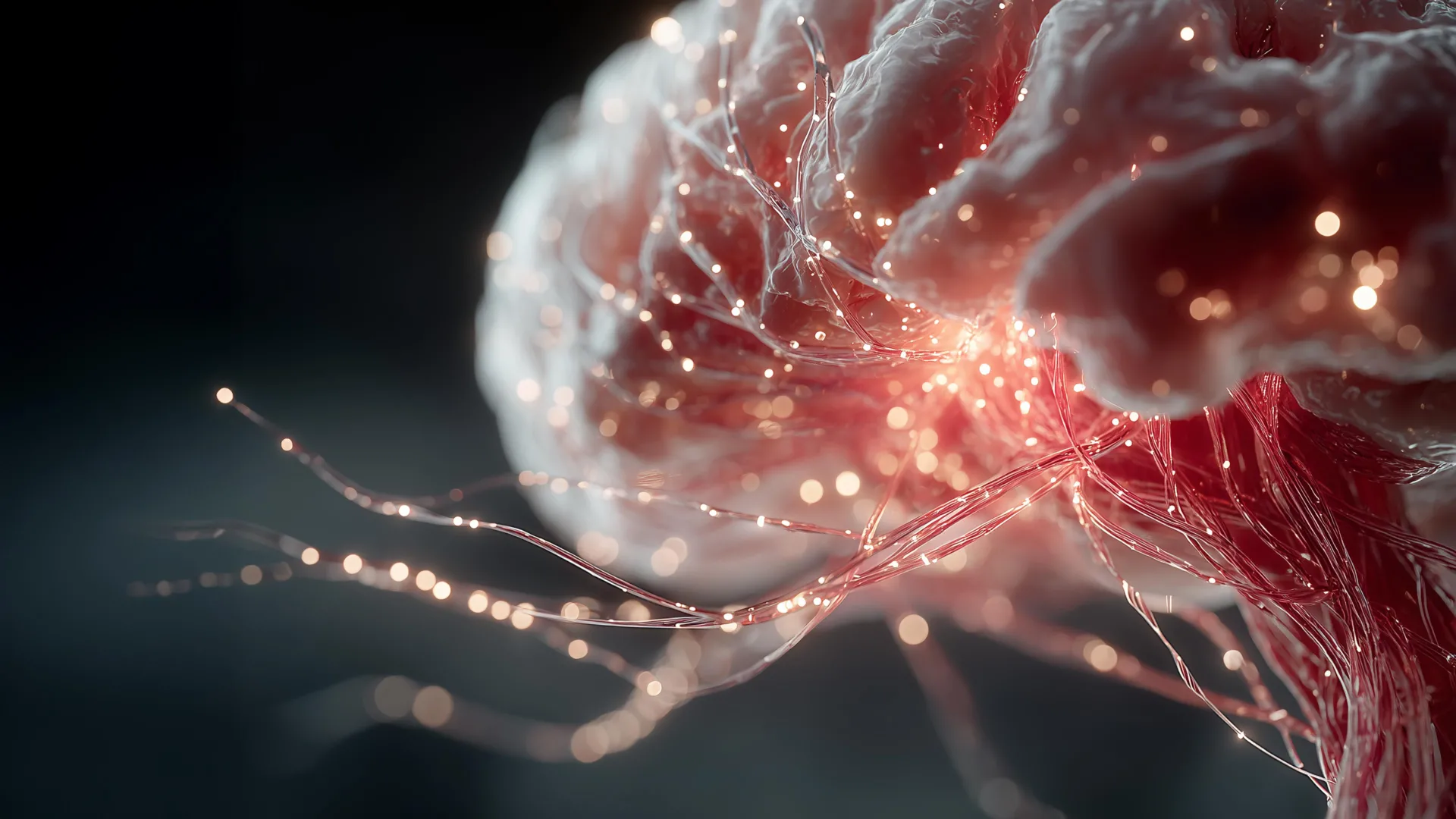
A groundbreaking study employing sophisticated laboratory-cultivated brain organoids has yielded unprecedented insights into the distinct electrical communication patterns exhibited by neurons in individuals diagnosed with schizophrenia and bipolar disorder. These complex psychiatric conditions, which impact vast global populations, have historically presented formidable diagnostic challenges due to an incomplete understanding of their fundamental molecular and cellular mechanisms. The implications of this research extend beyond mere diagnostic clarification, offering a tangible pathway towards more precise and effective therapeutic interventions.
Traditionally, the identification and management of many mental health disorders have relied heavily on clinical observation and subjective assessment, often necessitating a protracted and empirical approach to pharmacological treatment. This "trial-and-error" methodology, while sometimes effective, can be time-consuming, frustrating for patients, and may not always yield optimal outcomes. The current findings, meticulously detailed in the esteemed journal APL Bioengineering, represent a significant departure, introducing the potential for objective, biologically derived markers to inform clinical decision-making.
The inherent difficulty in diagnosing conditions like schizophrenia and bipolar disorder stems from the absence of clearly defined, localized neurological anomalies. Unlike certain neurodegenerative diseases, such as Parkinson’s, where biochemical imbalances like dopamine levels can provide diagnostic clues, these psychiatric disorders manifest in more diffuse alterations within neural networks. Dr. Annie Kathuria, a leading biomedical engineer at Johns Hopkins University and the principal investigator of this pivotal research, articulated the limitations faced by clinicians, stating that "Schizophrenia and bipolar disorder are very hard to diagnose because no particular part of the brain goes off. No specific enzymes are going off like in Parkinson’s." The ambition of this new research, she explained, is to move beyond mere confirmation of a diagnosis, envisioning a future where these "brains in a dish" could serve as personalized platforms for testing drug efficacy and determining optimal dosages, thereby streamlining the path to patient recovery.
The methodology employed in this investigation involved the creation of intricate brain organoids, which are three-dimensional cellular structures designed to mimic key aspects of human brain development and function. The research team meticulously sourced somatic cells, specifically blood and skin cells, from individuals with diagnosed schizophrenia and bipolar disorder, as well as from healthy control subjects. Through a process of cellular reprogramming, these cells were converted into induced pluripotent stem cells, granting them the remarkable ability to differentiate into a variety of specialized cell types, including the diverse neural populations characteristic of the human brain.
Subsequently, these nascent brain organoids were subjected to rigorous analysis using advanced machine learning algorithms. The focus of this analysis was the electrical activity generated by the organoids’ neuronal networks. In the healthy brain, communication between neurons is mediated by the rapid transmission of electrical impulses. The researchers meticulously examined the intricate patterns and temporal dynamics of these electrical signals, seeking to identify unique signatures that differentiate between healthy neural function and the aberrant activity associated with schizophrenia and bipolar disorder.
A crucial discovery emerged from this detailed examination: specific characteristics of the organoids’ electrical behavior served as reliable biomarkers for schizophrenia and bipolar disorder. These electrophysiological signatures were sufficiently distinct to enable researchers to accurately classify the origin of the organoids with a high degree of precision. When analyzed in their baseline state, the organoids could be correctly identified as belonging to an affected patient or a healthy individual 83% of the time. This diagnostic accuracy saw a remarkable improvement, reaching 92%, when the organoids were subjected to gentle electrical stimulation. This stimulation was designed to elicit a more robust and comprehensive neural response, thereby amplifying subtle differences in electrical communication.
The patterns uncovered were not superficial; they represented complex and highly specific deviations in neuronal firing and signal propagation. Neurons derived from patients with schizophrenia and bipolar disorder exhibited distinct anomalies in their firing patterns and timing across multiple electrical measurements. These variations coalesced to form a unique electrophysiological fingerprint for each condition, providing a molecularly observable basis for these complex disorders. Dr. Kathuria emphasized the significance of these findings, noting that "At least molecularly, we can check what goes wrong when we are making these brains in a dish and distinguish between organoids from a healthy person, a schizophrenia patient, or a bipolar patient based on these electrophysiology signatures." The team’s approach involved meticulously tracking the electrical signals produced by developing neurons, comparing them against the electrical profiles of organoids derived from individuals without these mental health conditions.
To achieve a more profound understanding of how neurons form functional networks within these organoids, the researchers employed cutting-edge microchip technology. The organoids were carefully positioned onto specialized microchips equipped with multi-electrode arrays. This intricate arrangement, resembling a dense grid of microscopic sensors, allowed for the simultaneous recording of electrical activity from numerous neurons. This innovative setup effectively functioned as a miniaturized electroencephalogram (EEG), a well-established clinical tool used to measure brain activity in human patients, but applied at a cellular level within the organoid model.
Upon reaching full maturation, these pea-sized brain organoids attained a diameter of approximately three millimeters. They comprised a diverse array of neural cell types, mirroring the cellular composition of the prefrontal cortex, a brain region critically involved in higher cognitive functions such as decision-making, planning, and working memory. Furthermore, these sophisticated organoids demonstrated the capacity to produce myelin, a vital fatty substance that acts as an electrical insulator for nerve fibers, significantly enhancing the speed and efficiency of signal transmission throughout neural pathways.
While this initial study involved a modest cohort of 12 patients, Dr. Kathuria expressed strong optimism regarding the potential for significant clinical translation. She posits that these organoids could evolve into an invaluable platform for pre-clinical drug testing. Before a psychiatric medication is administered to a patient, its effects could be evaluated on organoids derived from that individual, or on organoids representative of their condition, thereby predicting efficacy and identifying potential adverse reactions.
The research team is actively forging collaborations with neurosurgeons, psychiatrists, and neuroscientists at the esteemed John Hopkins School of Medicine. This multidisciplinary endeavor is focused on gathering additional biological samples from psychiatric patients. The objective is to meticulously investigate how varying concentrations of different medications influence the electrical activity within the brain organoids. Even with a limited number of samples, the researchers are hopeful that they can provide preliminary guidance on medication dosages that may help restore more normative neural activity patterns.
Dr. Kathuria highlighted the current inefficiencies in psychiatric treatment, noting that "That’s how most doctors give patients these drugs, with a trial-and-error method that may take six or seven months to finds the right drug." She pointed to clozapine, a widely prescribed medication for schizophrenia, as an example, explaining that approximately 40% of patients exhibit resistance to its effects. The potential of organoid technology, she suggested, lies in its ability to circumvent this arduous trial-and-error period, potentially enabling clinicians to identify the most effective therapeutic agent much sooner. This advancement could fundamentally transform the treatment landscape for individuals living with schizophrenia and bipolar disorder, offering a more personalized, evidence-based, and efficient approach to mental healthcare.
About the Author