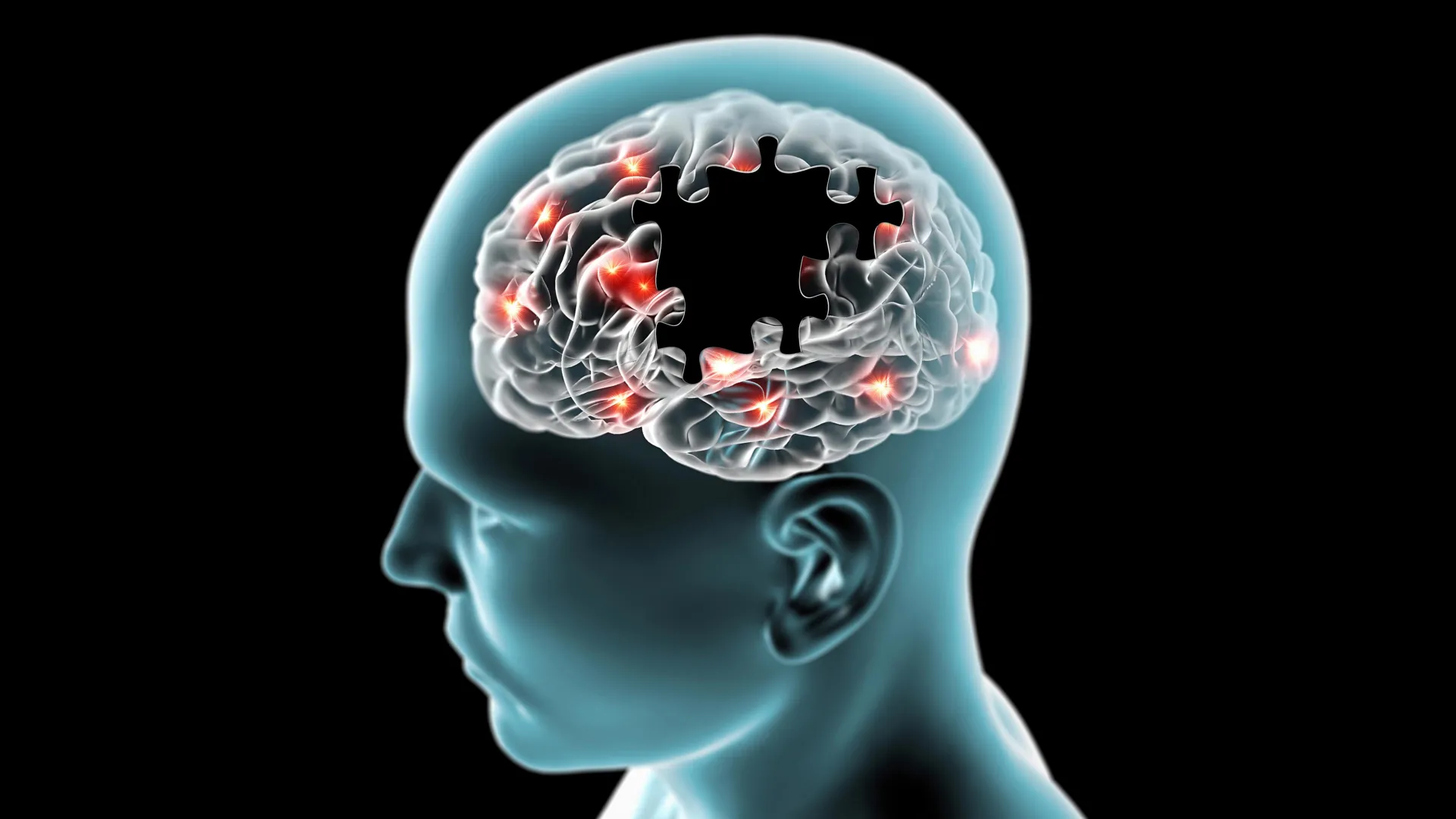
Parkinson’s disease, a chronic and progressively debilitating neurological condition affecting an estimated one million individuals across the United States with nearly 90,000 new diagnoses annually according to the Parkinson’s Foundation, fundamentally disrupts the body’s capacity for controlled and fluid motion. This disorder is characterized by the gradual demise of specific nerve cells within the brain responsible for producing dopamine, a neurotransmitter indispensable for motor regulation. Current therapeutic interventions primarily aim to alleviate the observable symptoms of Parkinson’s, yet their efficacy often diminishes over extended periods, leaving a significant unmet need for treatments that address the disease’s foundational mechanisms. A recent groundbreaking investigation spearheaded by scientists at Case Western Reserve University has illuminated a previously unrecognized biological cascade that significantly contributes to the cellular damage inherent in this neurodegenerative process.
This pivotal research, meticulously detailed in the scientific journal Molecular Neurodegeneration, elucidates the intricate sequence of events wherein the aggregation of aberrant proteins within neural cells precipitates the death of neurons critical for movement control, a defining pathology of Parkinson’s disease. Dr. Xin Qi, the study’s senior author and a distinguished professor of Brain Sciences at Case Western Reserve School of Medicine, explained that the team has identified a detrimental interaction between specific proteins that compromises the integrity of mitochondria, the vital energy-producing organelles within brain cells. Crucially, this discovery is accompanied by the development of a targeted intervention designed to interrupt this damaging molecular dialogue and reinstate healthy neuronal function.
Following an intensive three-year research period, the scientific cadre ascertained that alpha-synuclein, a protein notoriously implicated in the pathological protein clumps observed in Parkinson’s disease, forms an abnormal association with an enzyme known as ClpP. Ordinarily, ClpP plays a crucial role in preserving cellular homeostasis and function; however, its aberrant binding with alpha-synuclein leads to a significant disruption of its enzymatic activity and, consequently, its protective cellular roles.
The disruption of ClpP by alpha-synuclein triggers a cascade of detrimental effects, leading to the progressive failure of mitochondria. These organelles, often referred to as the cellular powerhouses, are responsible for generating the energy required for all cellular processes. When their function is compromised, it results in widespread neurodegeneration and a profound loss of brain cells, accelerating the progression of Parkinson’s disease as demonstrated through extensive experimentation across various research models.
In a significant therapeutic development, the researchers have engineered a compound designated as CS2, specifically formulated to counteract this harmful protein interaction. This innovative treatment functions as a molecular decoy, effectively intercepting alpha-synuclein and preventing it from engaging with and damaging ClpP, thereby safeguarding the cell’s energy supply systems. Through rigorous testing in diverse experimental paradigms, including analyses of human brain tissue samples, neurons derived from patients, and animal models of Parkinson’s disease, CS2 demonstrated a notable reduction in neuroinflammation and significant improvements in motor coordination and cognitive function.
This novel therapeutic strategy represents a paradigm shift in the management of Parkinson’s disease, moving beyond the mere palliation of symptoms to directly address one of the fundamental etiological factors driving the neurodegenerative process. Dr. Di Hu, a research scientist within the Department of Physiology and Biophysics at the School of Medicine, emphasized that this represents a "fundamentally new approach" to treating Parkinson’s, focusing on its "root causes" rather than solely managing its manifestations.
This groundbreaking advancement is a testament to Case Western Reserve University’s established expertise in the fields of mitochondrial biology and neurodegenerative disease research. The institution’s synergistic research environment and access to sophisticated experimental platforms were instrumental in translating fundamental biological discoveries into a potentially transformative therapeutic strategy.
The research team is now focused on advancing this promising discovery towards clinical application. Over the ensuing five years, their strategic objectives include optimizing the drug for human administration, conducting comprehensive safety and efficacy trials, identifying crucial molecular biomarkers that can accurately track disease progression, and ultimately developing patient-centered treatments. Dr. Qi expressed optimism for the future, envisioning the development of mitochondria-targeted therapies that could empower individuals to reclaim their functional capacity and enhance their quality of life, potentially transforming Parkinson’s disease from a devastating, progressive ailment into a manageable or even resolvable condition.
About the Author