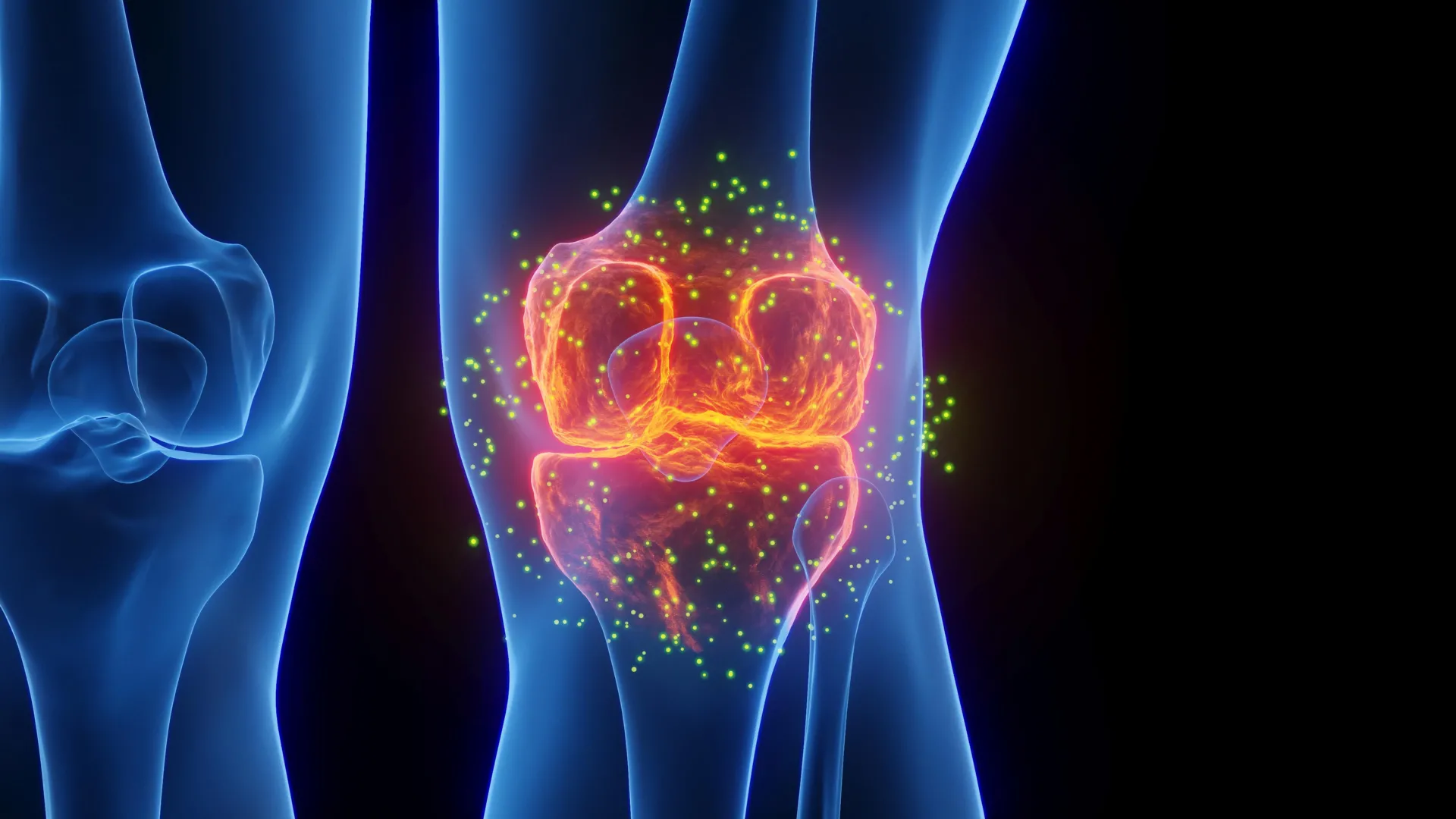
A groundbreaking study spearheaded by researchers at Stanford Medicine has unveiled a novel therapeutic strategy capable of reversing age-related cartilage degradation and averting the onset of osteoarthritis following joint injuries. The investigation, published in the prestigious journal Science, centers on a protein known as 15-PGDH, which scientists have identified as a key driver of tissue aging and functional decline. By inhibiting this protein, the research team successfully stimulated the regeneration of articular cartilage in aged mice and demonstrated its protective effect against the development of osteoarthritis in models mimicking common athletic injuries. These findings hold significant implications for millions worldwide suffering from joint pain and could pave the way for treatments that go beyond symptom management to address the root causes of cartilage loss.
The research builds upon prior work by the same laboratory, which in 2023 identified a class of proteins dubbed "gerozymes" – enzymes that accumulate with age and contribute to the gradual deterioration of tissue function. Among these, 15-PGDH (15-hydroxyprostaglandin dehydrogenase) emerged as a critical player. Previous studies had established its role in age-related muscle weakness in mice, where blocking 15-PGDH led to increased muscle mass and endurance, while artificially elevating its levels resulted in muscle atrophy. This protein’s influence, however, extends beyond muscle, having been implicated in the regeneration processes of bone, nerve, and blood cells. In these tissues, repair typically involves the activation and differentiation of stem cells. Cartilage, however, presented a unique case.
Unlike other tissues where stem cells are the primary architects of repair, the Stanford team discovered that cartilage regeneration in response to 15-PGDH inhibition occurred through a different mechanism. Instead of relying on resident stem or progenitor cells, the existing cartilage-producing cells, known as chondrocytes, underwent a remarkable reprogramming. Their genetic expression patterns shifted, enabling them to revert to a more youthful and functional state, effectively producing new, healthy cartilage. This discovery challenges conventional understanding of tissue regeneration and offers a potent new avenue for therapeutic intervention.
The impact of this approach was vividly demonstrated in experiments with aging mice. When these animals received an inhibitor of 15-PGDH, either systemically or directly injected into the knee joint, their thinned and degenerated cartilage began to thicken, restoring the smooth, load-bearing surface essential for joint mobility. Crucially, the regenerated tissue was confirmed to be hyaline cartilage, the very type most commonly affected by osteoarthritis, rather than a less functional form. The extent of this regeneration in aged subjects was described as "remarkable" by the researchers, exceeding expectations for any previously studied drug or intervention.
Beyond addressing age-related wear and tear, the study also explored the potential of this treatment in preventing post-injury osteoarthritis. Knee injuries, particularly those resembling anterior cruciate ligament (ACL) tears, are prevalent among athletes and active individuals, and a significant percentage of those affected go on to develop osteoarthritis within 15 years, even after successful surgical repair. In a model simulating such injuries, mice treated with the 15-PGDH inhibitor following trauma showed a dramatically reduced incidence of osteoarthritis development. In contrast, untreated control animals, which exhibited elevated 15-PGDH levels post-injury, readily developed the degenerative condition. Treated mice also exhibited improved mobility and weight-bearing capacity on the injured limb, indicating a faster and more complete recovery.
The researchers further investigated the molecular underpinnings of this regenerative process. Analysis of chondrocytes from aged mice revealed an upregulation of genes associated with inflammation and the conversion of cartilage into bone, alongside a downregulation of genes responsible for cartilage formation. Treatment with the 15-PGDH inhibitor effectively reversed these trends. Specific populations of chondrocytes associated with 15-PGDH production and cartilage degradation significantly decreased, while a population expressing genes vital for hyaline cartilage formation and extracellular matrix maintenance saw a substantial increase. This genetic reprogramming underscores the ability of the inhibitor to restore chondrocytes to a more youthful and functional phenotype.
The potential clinical applicability of this discovery was further bolstered by experiments using human cartilage samples. Tissue harvested from patients undergoing knee replacement surgery due to severe osteoarthritis was treated with the 15-PGDH inhibitor. Within a week, these human samples exhibited a reduction in 15-PGDH-producing chondrocytes, decreased expression of genes linked to cartilage breakdown and fibrocartilage formation, and early indicators of articular cartilage regeneration. These results from human tissue provide compelling evidence that the observed regenerative capacity is not limited to animal models and holds genuine promise for human therapeutic use.
Osteoarthritis, a pervasive degenerative joint disease affecting an estimated 20% of adults in the United States, imposes a substantial economic burden, costing an estimated $65 billion annually in direct healthcare expenses. Current treatment paradigms largely focus on pain management or surgical joint replacement, with no approved pharmaceutical interventions capable of slowing or reversing the underlying cartilage damage. This new approach, by directly targeting the cellular mechanisms of aging and damage, represents a paradigm shift, offering the potential to not only alleviate symptoms but to fundamentally restore joint health and potentially obviate the need for invasive joint replacement surgeries.
The protein 15-PGDH’s role is intricately linked to prostaglandins, signaling molecules involved in various physiological processes, including inflammation and repair. Earlier research from the Blau laboratory had established that prostaglandin E2 (PGE2) is crucial for the function of muscle stem cells. The enzyme 15-PGDH acts to break down PGE2. Therefore, inhibiting 15-PGDH effectively increases the local levels of PGE2. While PGE2 has been implicated in inflammation and pain, this study highlights that at physiological levels, modest increases can paradoxically promote regeneration. This nuanced understanding of prostaglandin signaling in tissue repair is a critical component of the breakthrough.
The clinical translation of this research is already underway. An oral formulation of a 15-PGDH inhibitor is currently being evaluated in human clinical trials for age-related muscle weakness. This existing pipeline provides a foundation for optimism regarding the development of a similar therapeutic for cartilage regeneration. Researchers are hopeful that a dedicated clinical trial to assess the inhibitor’s efficacy in cartilage regeneration will commence in the near future. The prospect of regrowing existing cartilage and avoiding the necessity of joint replacement surgery offers a beacon of hope for individuals grappling with debilitating joint conditions.
The study’s senior authors, Helen Blau, PhD, a professor of microbiology and immunology, and Nidhi Bhutani, PhD, an associate professor of orthopaedic surgery, expressed profound excitement about the findings. Dr. Blau emphasized that this represents a novel method for regenerating adult tissue with significant clinical potential for age-related and injury-induced arthritis, noting the surprising absence of stem cells in the regenerative process. Dr. Bhutani underscored the immense unmet medical need in treating cartilage loss and highlighted the "dramatic regeneration" observed with the gerozyme inhibitor, positioning it as a potentially transformative treatment.
Collaborative efforts were integral to this research, with contributions from researchers at the Sanford Burnham Prebys Medical Discovery Institute. The project received significant funding from various national and international bodies, including the National Institutes of Health, the Baxter Foundation for Stem Cell Biology, the Li Ka Shing Foundation, and others, underscoring the broad scientific and institutional support for this pioneering work. Furthermore, intellectual property related to 15-PGDH inhibition for tissue rejuvenation has been patented by Stanford University and licensed to Epirium Bio, with Dr. Blau serving as a co-founder of the company and holding equity. This commercialization pathway suggests a strong commitment to advancing this promising therapeutic from the laboratory bench to the patient bedside.
About the Author