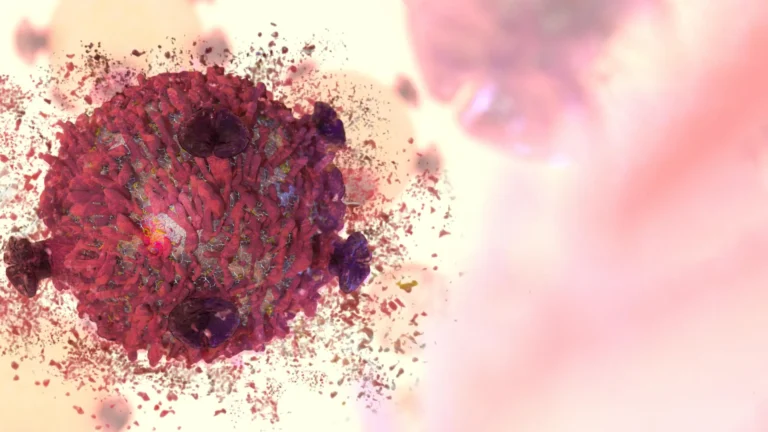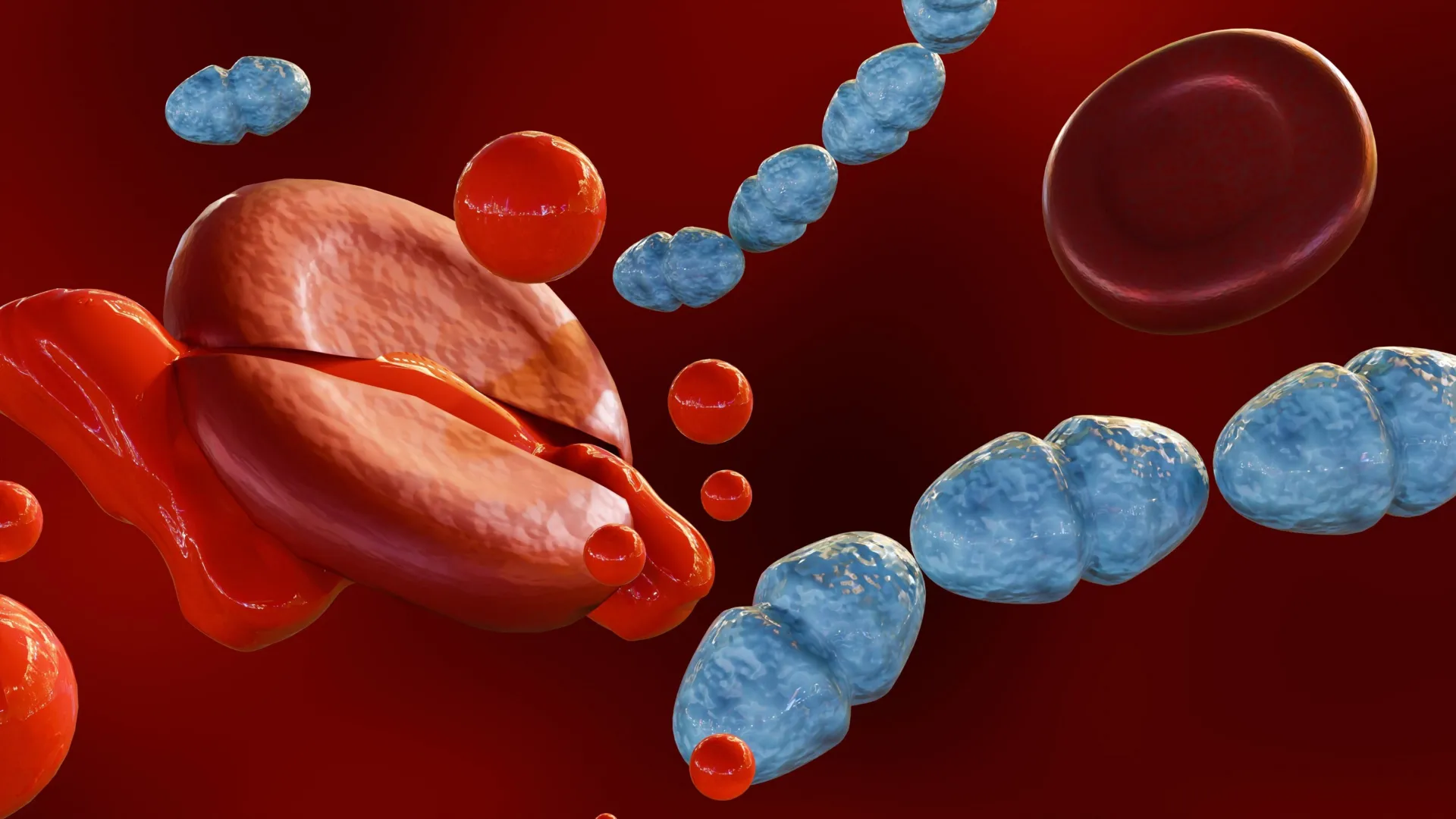
A groundbreaking Phase II human clinical trial, conducted in China, has yielded highly encouraging outcomes for a novel therapeutic agent designed to combat sepsis, a life-threatening systemic inflammatory response to infection that affects millions of individuals in hospital settings annually. The experimental treatment, identified as STC3141, has demonstrated a remarkable capacity to mitigate the severe manifestations of this pervasive medical condition. This development represents a significant leap forward in the ongoing global effort to address a critical unmet medical need, potentially offering a new paradigm for patient care and survival rates.
Developed through a synergistic collaboration between leading researchers at Griffith University’s Institute for Biomedicine and Glycomics, spearheaded by Distinguished Professor Mark von Itzstein AO, and their counterparts at The Australian National University, led by Professor Christopher Parish, STC3141 is a pioneering carbohydrate-based small-molecule drug. Its innovative design targets a fundamental biological pathway implicated in the cascade of organ damage characteristic of sepsis. Professor von Itzstein articulated the trial’s success, stating that the "key endpoints were met, clearly indicating the drug candidate’s successful role in reducing sepsis in human subjects." This validation marks a crucial milestone, transitioning the compound from preclinical promise to tangible clinical benefit.
The administration of STC3141 within the trial involved intravenous infusion, delivered via a cannula. The drug’s therapeutic mechanism is predicated on its ability to neutralize a critical molecular mediator that is released during the sepsis process. This mediator is a primary driver of the widespread inflammation that characterizes sepsis and ultimately leads to extensive damage to vital organs. Unlike existing treatments that largely focus on managing symptoms or supporting organ function, STC3141 is engineered to actively reverse the pathological changes occurring at the cellular and tissue levels, offering a restorative rather than purely supportive approach to treatment.
Sepsis presents one of the most formidable challenges in contemporary medicine due to its complex pathophysiology and its devastating consequences. It arises when the body’s intricate immune system, in its attempt to quell an infection, initiates a disproportionate and damaging response that begins to attack the body’s own healthy tissues and organs. This auto-inflammatory process can rapidly escalate, becoming a vicious cycle of escalating damage. Consequently, sepsis stands as a principal contributor to mortality and long-term disability across the globe, leaving survivors with chronic health issues that profoundly impact their quality of life. The insidious nature of sepsis means that delays in diagnosis and intervention can precipitate a rapid and often irreversible decline.
The dire consequences of unchecked sepsis were underscored by Distinguished Professor von Itzstein, who explained, "When sepsis is not recognized early and managed promptly, it can lead to septic shock, multiple organ failure and death." Septic shock, the most severe form of sepsis, is characterized by a drastic drop in blood pressure, often to dangerously low levels, which severely impairs blood flow and oxygen delivery to the body’s organs. This circulatory collapse can swiftly lead to the failure of multiple organ systems, including the kidneys, lungs, and heart, presenting an extremely grave clinical scenario with a high fatality rate.
The rigorous Phase II clinical trial was orchestrated by Grand Pharmaceutical Group Limited (Grand Pharma), a prominent entity in the pharmaceutical sector. The study encompassed 180 patients who had received a confirmed diagnosis of sepsis. The absence of a specific, targeted therapy for sepsis worldwide highlights the critical nature of this research. Despite the immense global burden of this condition, current medical interventions are largely supportive, focusing on antibiotics to clear the infection and intensive care to maintain organ function. This therapeutic void underscores the profound unmet medical need that STC3141 aims to fill.
Following the success of this Phase II evaluation, Grand Pharma has signaled its intent to advance STC3141 into a more extensive Phase III clinical trial. This next stage will involve a larger patient cohort and will be designed to further solidify the drug’s efficacy and safety profile across a broader population. Such trials are essential for gathering the comprehensive data required for regulatory approval and eventual market introduction. Professor von Itzstein expressed optimism regarding the timeline, noting, "It’s hoped we could see the treatment reach the market in a handful years, potentially saving millions of lives." The prospect of having a dedicated anti-sepsis therapy available within the next few years offers a beacon of hope for patients, clinicians, and public health officials worldwide.
The broader impact of this pioneering research extends beyond the immediate application for sepsis treatment. Professor Paul Clarke, the Executive Director of the Institute for Biomedicine and Glycomics, expressed profound enthusiasm for the trial’s outcomes, stating, "I am thrilled to see the results of the trial which ultimately aims to save lives." He further elaborated on the institute’s overarching mission, emphasizing that "The Institute and its researchers collectively work on translational research to deliver real and immediate impacts both in Australia, and globally to transform lives." This commitment to translating fundamental scientific discoveries into tangible clinical solutions exemplifies the vital role of academic research institutions in addressing global health challenges. The development of STC3141 is a testament to the power of interdisciplinary collaboration and sustained investment in innovative biomedical science, offering a promising glimpse into a future where devastating conditions like sepsis can be more effectively managed and overcome. The foundational work in understanding glycomics and carbohydrate chemistry has paved the way for this therapeutic breakthrough, underscoring the importance of exploring diverse scientific avenues to unlock novel treatment modalities. The implications of this research are far-reaching, potentially setting a precedent for the development of similar carbohydrate-based therapeutics for other inflammatory and infectious diseases.
About the Author