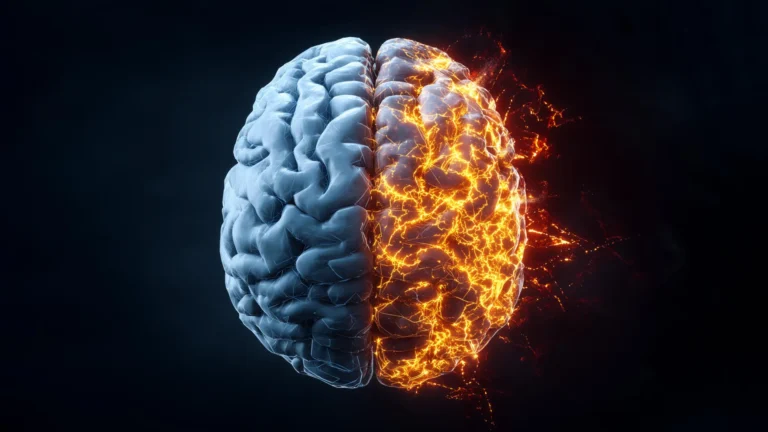
Researchers at Northern Arizona University (NAU) are pioneering a groundbreaking diagnostic technique that could significantly advance the early identification of Alzheimer’s disease, potentially paving the way for interventions that slow its debilitating progression. This innovative approach centers on the intricate metabolic processes occurring within the brain, specifically examining how brain cells utilize glucose, the primary energy source for cognitive functions, emotional regulation, and motor control.
The scientific endeavor is spearheaded by Travis Gibbons, an assistant professor in the Department of Biological Sciences at NAU. This vital research has received partial funding from the Arizona Alzheimer’s Association, underscoring its potential impact on public health. Gibbons likens the brain’s energy consumption to that of a muscle: "The brain is like a muscle," he explained, "It needs fuel to do work, and its gasoline is blood glucose. A healthy brain is greedy; it burns through glucose fast. But brain metabolism is slower when you have Alzheimer’s. It can be viewed as a canary in the coal mine in the development of the disease." This analogy highlights how altered glucose metabolism can serve as an early warning sign of neurodegenerative changes.
Historically, accurately assessing brain glucose metabolism has posed considerable challenges due to the organ’s protected location. Previous investigative methods sometimes involved highly invasive procedures, such as inserting catheters into neck veins to directly sample blood exiting the brain. Such complex and uncomfortable protocols are entirely impractical for routine clinical examinations, severely limiting the feasibility of early diagnostic screening.
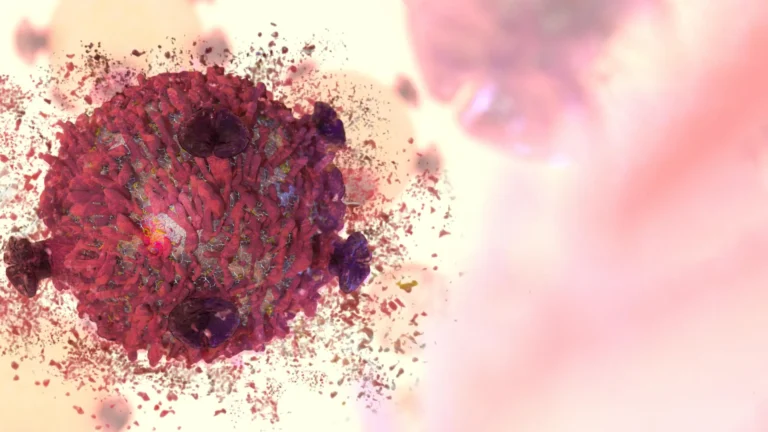
The NAU team, under Gibbons’ leadership, is now exploring a far less intrusive alternative. Their current focus involves leveraging commercially available testing kits designed for the isolation and analysis of microvesicles found circulating within the bloodstream. These microscopic sacs, released by cells, act as sophisticated intercellular communicators. "Some of these microvesicles originate in a neuron in your brain, and they’re like messengers carrying cargo," Gibbons elaborated. "With these test kits, we can find what kind of cargo is in a microvesicle and run tests on it. It’s been described as a biopsy for the brain, but much less invasive. That’s the appeal of it." This revolutionary concept of a "biopsy for the brain" offers a non-invasive window into neural health by examining these cellular messengers.
While the methodology is still undergoing rigorous development and refinement, its implications for Alzheimer’s diagnosis and longitudinal tracking are profound. Gibbons acknowledges the demanding nature of the workflow, which necessitates meticulous technique and considerable patience, but emphasizes that the potential benefits for patients and society are immense.
In prior research, Gibbons and his collaborators demonstrated a novel method of delivering insulin directly to the brain via nasal administration, proving more effective than conventional injection routes for accessing neural tissues. Following this administration, the team collected blood samples from the brain and identified specific biomarkers indicative of enhanced neuroplasticity, the brain’s ability to reorganize and form new neural connections. The current research endeavors to detect these same crucial biomarkers within the microvesicles extracted from peripheral blood.
The research is progressing through a carefully structured, multi-stage study design. Initially, Gibbons and his team are meticulously validating the efficacy and reliability of their microvesicle-based assay in healthy volunteer participants. The subsequent phase will involve a comparative analysis of findings from individuals experiencing mild cognitive impairment and those formally diagnosed with Alzheimer’s disease. This comparative approach aims to determine if observed alterations in glucose metabolism, as reflected in the microvesicle cargo, can accurately correlate with and predict the progression of the disease.
"Brain function is notoriously hard to measure, but we’re getting better and better at interrogating brain function through biomarkers," Gibbons stated, underscoring the accelerating pace of neuroscientific discovery. He envisions a future where this diagnostic capability could empower individuals to proactively safeguard their brain health and potentially prevent the onset of Alzheimer’s, much like current strategies for cardiovascular disease management. "Soon, we might be able to help people protect their brain health and prevent Alzheimer’s disease the same way we protect people from cardiovascular disease by prescribing moderate exercise and a healthy diet," he suggested. Such advancements would significantly alleviate the substantial burden of neurodegenerative diseases on aging populations and society at large.
This pioneering research is conducted under the umbrella of the Arizona Alzheimer’s Consortium (AAC). Gibbons is collaborating closely with Emily Cope, an associate professor of biological sciences at NAU and a fellow AAC member, who brings complementary expertise to the project. K. Riley Connor, a Ph.D. student in biological sciences at NAU, is also a key contributor, providing essential research support. Further bolstering the interdisciplinary nature of this study is Philip Ainslie, a distinguished professor from the University of British Columbia’s Centre for Heart, Lung & Vascular Health, whose insights into vascular health and its interplay with neurological function are invaluable. Together, this dedicated team is striving to transform Alzheimer’s diagnostics and usher in an era of earlier detection and more effective disease management.
About the Author