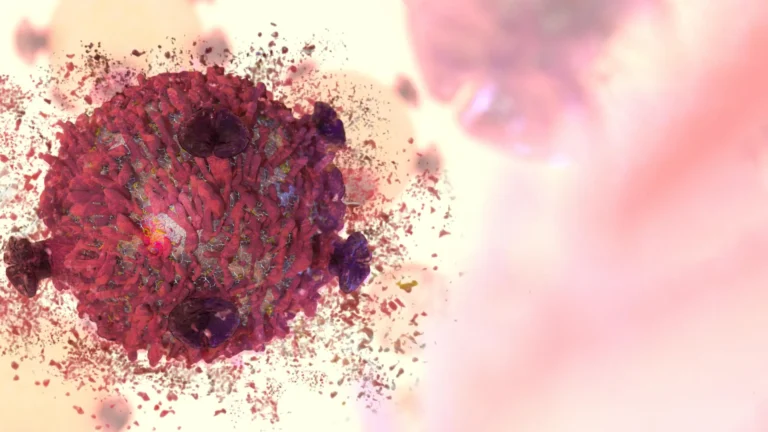

Pancreatic cancer, a notoriously recalcitrant malignancy, presents a formidable challenge to modern medicine, often resisting the most sophisticated immunotherapeutic interventions. Researchers at Northwestern Medicine have recently illuminated a critical mechanism by which these aggressive tumors evade immune detection, simultaneously paving the way for a promising new therapeutic approach. Their groundbreaking work, detailed in the journal Cancer Research, unveils how pancreatic cancer cells employ a sophisticated carbohydrate-based camouflage to shield themselves from the body’s natural defenses, and crucially, demonstrates how an experimental antibody can dismantle this deceptive facade, thereby re-enabling immune cells to recognize and attack the cancerous cells.
This pioneering research marks the first identification of this specific immune evasion pathway within pancreatic tumors and provides compelling preclinical evidence that interrupting it with a targeted monoclonal antibody can reawaken and amplify anti-cancer immune responses. In laboratory models and animal studies, this intervention successfully reactivated immune cells, prompting them to engage and eliminate tumor cells. The culmination of approximately six years of dedicated effort, this discovery involved unraveling a complex biological process, engineering precise antibodies, and rigorously testing their efficacy. For the research team, observing the antibody’s success represented a significant scientific leap forward.
The grim statistics surrounding pancreatic cancer underscore its status as one of the deadliest cancers. Its insidious nature often leads to diagnosis at advanced stages, where treatment options are severely limited, contributing to a mere 13% five-year survival rate. A significant factor contributing to its resistance to conventional therapies, particularly immunotherapies, is the remarkably suppressed immune activity typically observed within the tumor microenvironment. The Northwestern team embarked on a mission to understand this phenomenon and to explore the possibility of fundamentally altering this immunosuppressive landscape, shifting it from one of immune indifference or even complicity to an active anti-tumor response.
Their investigations revealed that pancreatic cancer cells cunningly co-opt a protective signaling mechanism naturally employed by healthy cells. In healthy tissues, a specific sugar molecule, known as sialic acid, is often displayed on the cell surface, acting as a molecular flag that signals to the immune system, "I am a normal cell, do not attack." This is a vital component of self-tolerance, preventing the immune system from mistakenly targeting healthy tissues.
The scientists discovered that pancreatic tumors adopt this salutary strategy for their own nefarious purposes. They observed that these cancer cells significantly increase the abundance of sialic acid, appending it to a particular surface protein called integrin αvβ3. This modified protein, now adorned with the sialic acid sugar coat, can then engage with a specific receptor on immune cells, identified as Siglec-10. This interaction triggers a powerful inhibitory signal within the immune cell, effectively instructing it to stand down and disregard the tumor as a threat, akin to a false alarm that pacifies the body’s defenders. This "sugar-coating" strategy represents a sophisticated form of molecular mimicry, allowing the tumor to effectively masquerade as a harmless entity, thereby evading immune surveillance.
Following the elucidation of this critical immune evasion mechanism, the Northwestern team focused their efforts on designing and developing monoclonal antibodies capable of neutralizing this deceptive signaling pathway. Through extensive laboratory screening and refinement, they identified a highly effective antibody. When tested in vitro and in two distinct animal models, this experimental antibody demonstrated a remarkable ability to restore immune function. Immune cells, no longer inhibited by the aberrant signal, began to actively engulf and destroy cancer cells, leading to a substantial deceleration in tumor growth compared to untreated control groups.
The development of such a precise therapeutic agent was a meticulous undertaking, involving the screening of thousands of potential antibody candidates. The process required the careful evaluation of cellular hybrids, known as hybridomas, which are instrumental in antibody production, to isolate the single most effective antibody that could precisely target and block the tumor’s immunosuppressive signal.
Looking ahead, the researchers are eager to evaluate the performance of this novel antibody in combination with established chemotherapy and immunotherapy regimens. The rationale for this combined approach is robust, with the ultimate aim of achieving complete cancer remission rather than merely partial tumor reduction or stabilization. The aspiration is to eradicate the cancer entirely, representing a significant advancement in treatment outcomes.
The team is actively advancing the antibody towards human clinical trials, focusing on initial safety assessments and dose-finding studies. Concurrently, they are exploring synergistic effects with standard treatments and developing diagnostic tools to identify patients whose tumors are particularly reliant on this sialic acid-mediated immune evasion pathway. This personalized medicine approach aims to ensure that the therapy is administered to those most likely to derive significant benefit. Based on the current trajectory of progress, it is estimated that this innovative treatment could become available to patients within approximately five years.
The implications of this research may extend far beyond pancreatic cancer. The investigators are now exploring whether similar "sugar-coat" evasion tactics are employed by other challenging cancers, such as glioblastoma, and potentially in other diseases where the immune system is inadvertently misguided.
This work is situated within the rapidly expanding field of glyco-immunology, a burgeoning area of scientific inquiry dedicated to understanding the intricate roles that carbohydrates play in modulating immune responses. This research signifies that the field is only beginning to uncover the profound influence of sugars on biological processes. Northwestern University, with its interdisciplinary research strengths, is strategically positioned to translate these sugar-related insights into tangible therapeutic solutions for a range of conditions, including cancer, infectious diseases, and age-related ailments.
This research was supported in part by a Pilot Award from Northwestern University’s Center for Human Immunobiology, with additional funding provided by numerous grants from the National Institutes of Health, including those focused on aging, infectious diseases, and HIV research, as well as the NIH-funded BEAT-HIV Martin Delaney Collaboratory.
About the Author