A groundbreaking study published in the esteemed journal PLOS Biology on February 10th reveals a fascinating link between coordinated neural activity and the propensity for generous behavior. Researchers from East China Normal University, in collaboration with the University of Zurich, have successfully demonstrated that by harmonizing the electrical oscillations between specific regions of the brain, they can subtly influence individuals to act more altruistically. This novel research delves into the neural underpinnings of generosity, a complex human trait that profoundly impacts societal cohesion and cooperation.
The inclination towards altruism, the selfless concern for the well-being of others, is a cornerstone of functioning societies. While parents strive to instill values of sharing and empathy in their children, the degree to which these traits manifest in adulthood varies considerably. Some individuals exhibit a consistent tendency to prioritize the needs of others, even at personal expense, whereas others are more inclined to focus on their own benefit. For decades, scientists have sought to unravel the intricate biological mechanisms that contribute to these individual differences in prosocial behavior. Understanding the neural basis of these variations is crucial for comprehending human social interactions and developing strategies to foster greater cooperation.
To explore this complex interplay, the research team designed an experiment employing a well-established behavioral economics paradigm known as the Dictator Game. This task involved 44 participants who were presented with a series of 540 decision-making scenarios. In each instance, participants were given the opportunity to divide a sum of money with an anonymous recipient, with the understanding that they would retain the portion they did not allocate. The payout structure varied across trials, meaning participants could potentially gain more money than their counterpart or vice versa, introducing an element of self-interest into the decision-making process. This game meticulously captures the essence of voluntary resource allocation, providing a quantifiable measure of generosity.
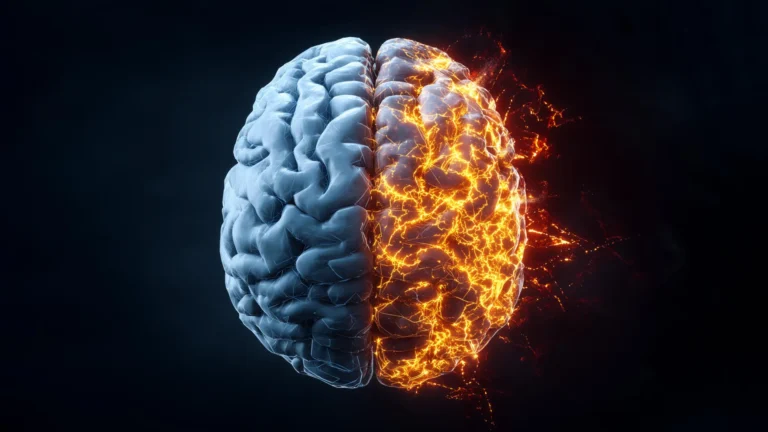
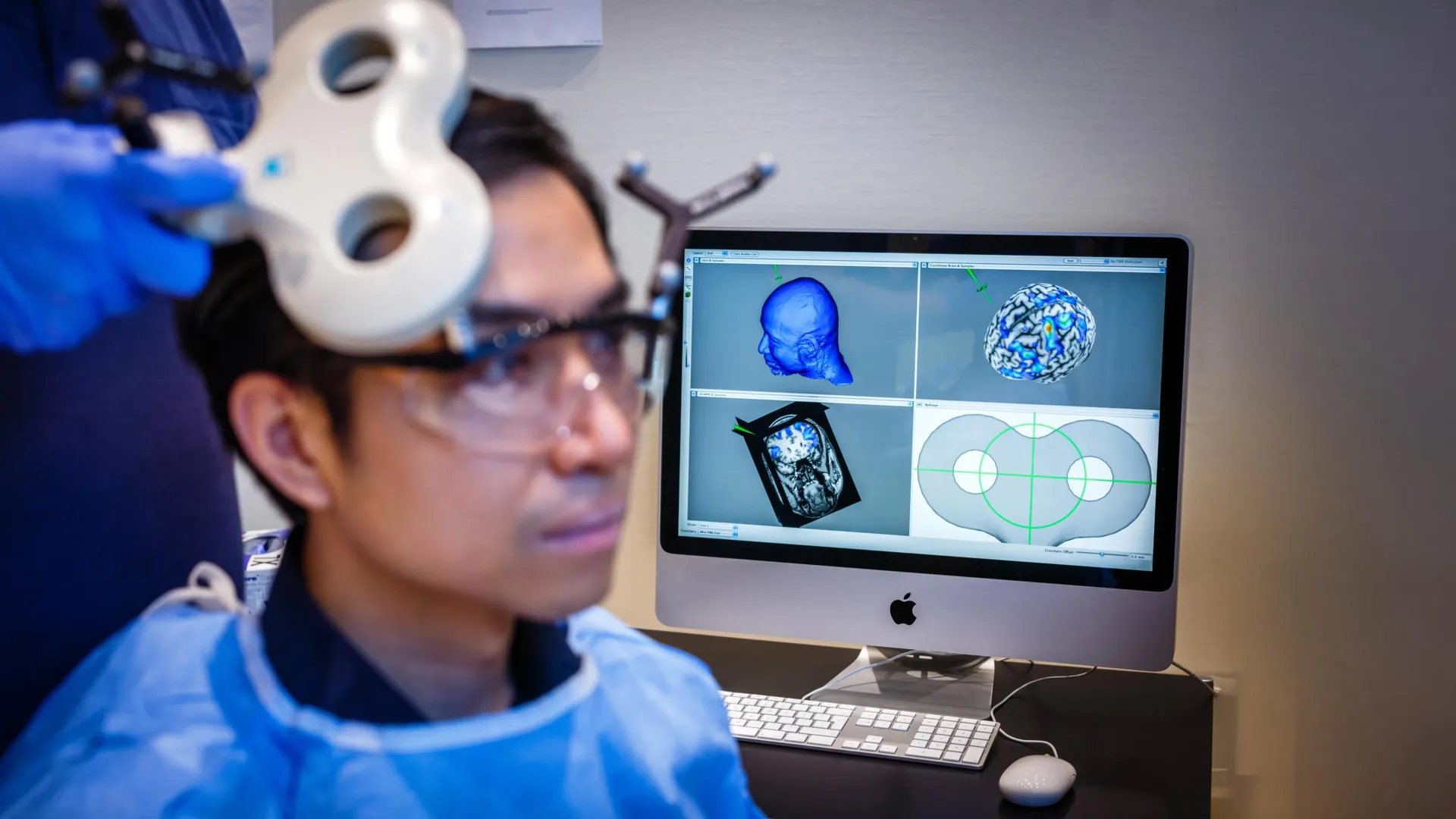
Central to the investigation was the application of transcranial alternating current stimulation (tACS), a non-invasive neurostimulation technique. This method involves delivering low-intensity electrical currents to specific areas of the scalp, thereby influencing the electrical activity of underlying brain regions. The tACS was precisely targeted at the frontal and parietal lobes, two critical areas of the brain known to be involved in executive functions, decision-making, and social cognition. The primary objective of this stimulation was to entrain, or synchronize, the firing patterns of neurons within these interconnected regions. Specifically, the researchers aimed to modulate the brain’s intrinsic rhythmic electrical activity, known as brain oscillations, into distinct patterns: gamma or alpha waves. These oscillations are believed to play a vital role in neural communication and information processing.
The findings from the study indicated a significant outcome when the tACS specifically enhanced gamma synchrony between the frontal and parietal cortices. Participants subjected to this particular stimulation protocol exhibited a statistically significant, albeit modest, increase in altruistic choices. This translated into a greater willingness to share larger portions of the allocated money, even when such an act would result in a reduced personal financial gain compared to the anonymous recipient. This observation provides compelling evidence that manipulating neural communication patterns can directly influence prosocial behavior, moving beyond correlational studies to establish a causal link.
Further analysis, utilizing a sophisticated computational model, shed light on the cognitive mechanisms underlying this behavioral shift. The researchers deduced that the tACS intervention altered how participants weighed the potential outcomes of each offer. Following the stimulation that boosted gamma synchrony, individuals appeared to place a more substantial emphasis on the financial well-being of the other person when making their division decisions. This suggests that the stimulated neural network may be involved in modulating the subjective value assigned to fairness and the welfare of others. The study authors acknowledge that the experiment did not directly measure neural activity in real-time during the decision-making process. However, they propose that future research incorporating complementary techniques, such as electroencephalography (EEG) or functional magnetic resonance imaging (fMRI) alongside tACS, could provide more direct evidence of how this intervention impacts brain signals and cognitive processes. Nonetheless, the current findings strongly implicate the synchronized activity between the frontal and parietal lobes as a crucial component in the neural circuitry supporting altruistic decision-making.
The research team underscored the significance of establishing a clear cause-and-effect relationship. Coauthor Christian Ruff emphasized that the study successfully identified a specific pattern of communication between brain regions that is demonstrably linked to altruistic choices. He stated that this discovery significantly advances our fundamental understanding of how the brain facilitates complex social decisions. Moreover, he posited that these findings lay a critical foundation for future investigations into the neural basis of cooperation, particularly in contexts where collective effort is paramount for achieving shared objectives.
Jie Hu, another coauthor, highlighted the novelty of the research in providing empirical evidence for causality. He explained that by deliberately altering the communication within a defined neural network using targeted, non-invasive stimulation, the participants’ decisions regarding resource sharing consistently shifted. This change, he noted, was directly attributable to a modification in how individuals balanced their own self-interest against the potential outcomes for others. This direct manipulation offers a powerful tool for dissecting the neural underpinnings of social behavior.
Marius Moisa, a concluding coauthor, expressed his team’s astonishment at the observable impact of enhanced coordination between two brain areas on altruistic behavior. He reiterated that when the synchrony between the frontal and parietal regions was amplified through tACS, participants displayed a heightened propensity to assist others, even when such actions entailed a personal cost. This observation is particularly noteworthy as it suggests that the neural mechanisms underlying generosity are not simply about maximizing personal gain but also involve a complex interplay of cognitive and emotional factors that can be modulated by targeted interventions. The implications of this research extend to a broader understanding of human sociality, potentially informing interventions aimed at promoting pro-social behavior and fostering greater empathy in various societal contexts. This work represents a significant step forward in demystifying the biological foundations of our capacity for kindness and cooperation.
About the Author